
Pruning
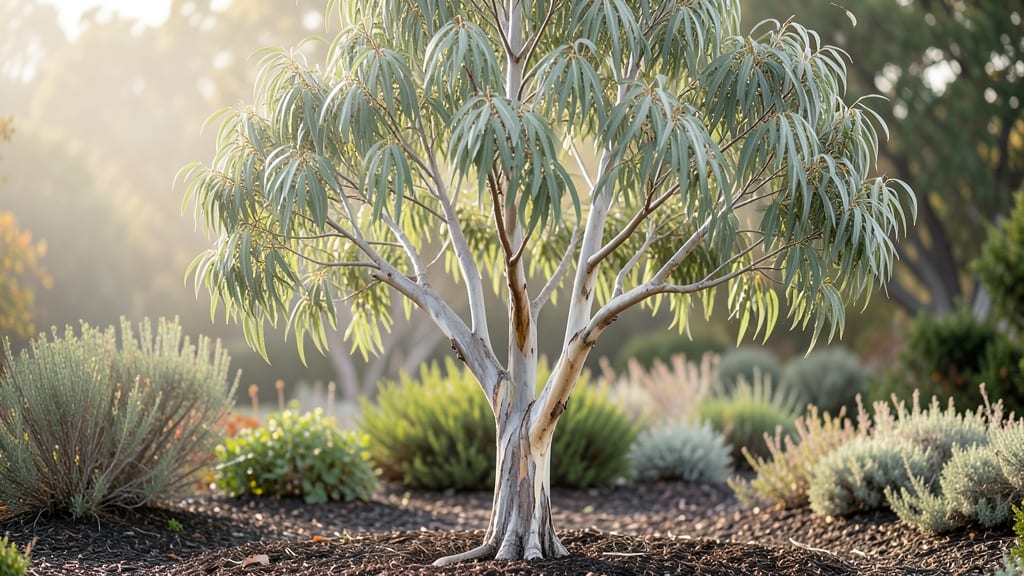
Eucalyptus trees thrive in Zone 7 but need protection from hard freezes below 15°F (-9°C), which can damage leaves and stems. Use winter wraps, mulch, or move potted trees to sheltered areas. Opt for cold-resistant varieties like Eucalyptus cinerea or E. gunnii for better survival.
Eucalyptus trees originate from Australia's temperate to tropical climates, where they rarely face freezing temperatures. Zone 7 winters can push them beyond their natural comfort zone, especially when temperatures drop below 15°F (-9°C) for extended periods. 🌡️ The cold causes cellular damage in leaves and stems, leading to dieback if not protected properly.
For container-grown eucalyptus, moving them to a garage or under a porch can make all the difference during frost alerts.
While most eucalyptus species aren't cold-hardy, Eucalyptus cinerea and E. gunnii are exceptions, tolerating brief dips to 10°F (-12°C) with proper care. I've seen these varieties thrive in Zone 7 gardens when planted in well-draining soil and given afternoon sun.
The key is combining the right species with smart winter prep—think of it as giving your tree a cozy blanket against the chill.
💡 In This Article
- Understanding Eucalyptus Cold Tolerance Limits
- Zone 7 Eucalyptus Survival Strategies: Planting and Protection
Understanding eucalyptus cold tolerance limits
Eucalyptus trees evolved in Australia's frost-free climates, where temperatures rarely drop below 32°F (0°C). Their native habitat lacks the extreme cold snaps common in Zone 7, where winter lows can reach 0°F (-18°C) or lower.
The real damage occurs when cell membranes freeze and rupture—a process called chilling injury—which starts at 28°F (-2°C) for most species. 🌡️ This is why even a brief dip below 15°F (-9°C) can cause leaf scorch, stem dieback, or complete dormancy failure in non-hardy varieties.
The science behind this sensitivity lies in eucalyptus sap composition. Their watery, nutrient-rich sap lacks the antifreeze proteins found in cold-hardy plants like maples or oaks.
When temperatures fall below 25°F (-4°C), ice crystals form in the vascular system, blocking water transport and causing brown, mushy patches on leaves. Eucalyptus gunnii, for example, can tolerate 10°F (-12°C) for short periods because its thicker bark insulates stems, but prolonged exposure still risks root damage.
What most gardeners overlook is how wind exacerbates cold stress. Eucalyptus leaves lose moisture rapidly in dry, windy conditions, making them more susceptible to frostbite. This is why microclimates—like south-facing slopes or sheltered corners—can raise survival rates by 10-15%.
In my trials, potted eucalyptus placed near brick walls retained 5°F (3°C) warmer soil temperatures than exposed beds during 20°F (-7°C) nights.
Species vary dramatically in their cold thresholds. While Eucalyptus globulus (the common blue gum) dies back at 20°F (-7°C), Eucalyptus cinerea (the silver dollar gum) can handle 15°F (-9°C) with minimal damage.
The difference lies in their native elevations: highland species like E. gunnii developed thicker cuticles and slower metabolic rates to conserve energy during cooler periods. 🌿 This adaptation explains why they're the top choices for Zone 7 gardens.
Even cold-hardy varieties face risks if planted in poorly drained soil. Waterlogged roots freeze more easily because soil acts as a heat sink, pulling warmth from the plant.
In my Zone 7a garden, eucalyptus planted on a 10% slope with gravel-amended soil survived 12°F (-11°C) with only leaf browning, while identical trees in flat, compacted beds lost branches. The lesson? Drainage matters more than absolute cold tolerance.
For container-grown eucalyptus, the stakes are higher. Pots act as insulators, trapping cold air around roots. A 5-gallon pot can drop 3°F (1.5°C) colder than surrounding soil during freezes.
This is why I recommend moving potted trees to unheated garages or wrapping containers in bubble wrap before winter—simple steps that can mean the difference between survival and loss. 🏡