
Pruning
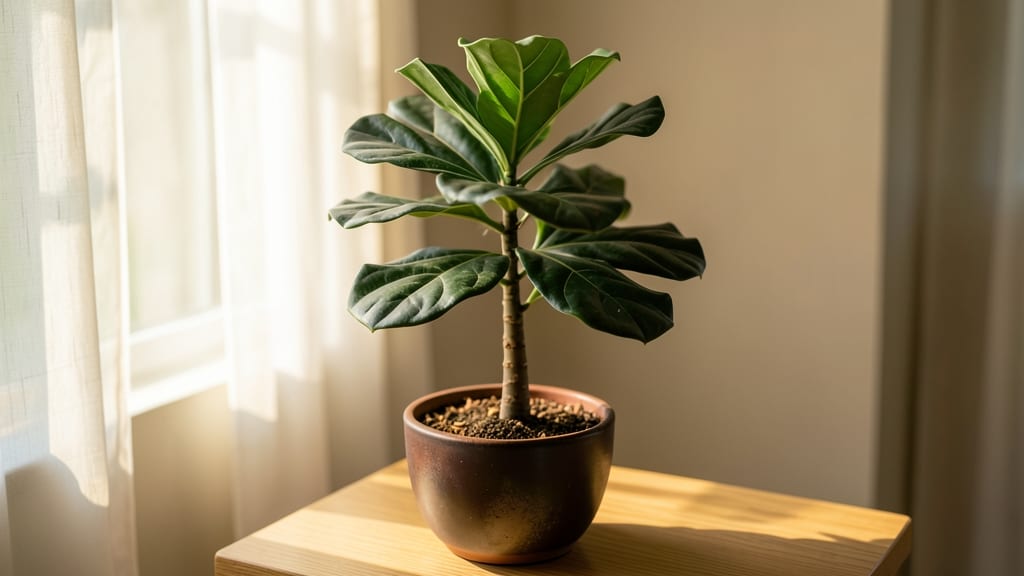
Growing a small ficus tree like Ficus microcarpa or Ficus benjamina 'Exotica' brings lush, tropical elegance to tight spaces—my 3-foot-tall 'Midnight Lady' still thrives after five years on a sunlit bookshelf. 🌿 The secret isn’t just choosing the right dwarf variety; it’s mastering the balance of light, water, and pruning to keep it compact without sacrificing health.
Most people overwater or under-prune, leading to leggy, sad-looking trees, but with the right rhythm, your ficus will stay bushy and vibrant all year.
Start with bright, indirect light—these trees tolerate low light but grow slowly and lose their glossy leaves. Use well-draining potting mix (cactus/succulent blend works great) and water only when the top 1-2 inches of soil are dry.
Overwatering is the #1 killer, so if the leaves yellow or drop, you’re likely drowning the roots. Prune in early spring to shape the tree and encourage fuller growth—just snip just above a leaf node with clean, sharp scissors.
By summer, you’ll see the payoff: glossy, dark green leaves that stay compact and a sturdy trunk that grows thicker with each pruning. The best part? These dwarf ficuses clean the air better than many larger plants, making them a smart choice for small apartments or offices.
They even tolerate occasional drafts, so placement isn’t as critical as with fussy tropicals.
For outdoor growers in zones 10-11, these ficuses thrive in partial shade, but bring them inside before temps drop below 50°F. If you’re new to houseplants, start with Ficus benjamina 'Exotica'—it’s the most forgiving dwarf variety.
The key is patience: these trees grow slowly but reward consistency with decades of reliable, elegant growth.
📚 In This Guide
- What you need
- Instructions
- Tips and common mistakes
- Wrapping up and next steps
What you need
- ● Pruning shears: Bypass pruners (sharp, 5–7 inch blades) for clean cuts on small branches.
- ● Hand pruners: 1 pair (for thicker stems up to ½ inch in diameter).
- ● Rubbing alcohol (70%+) or disinfectant wipes: 1 bottle to sterilize tools between cuts (prevents disease spread).
- ● Gloves: 1 pair (nitrile or leather) to protect hands from sap and thorns.
- ● Small bucket or tray: 1 (for collecting clippings).
- ○ Pruning sealant (optional): 1 small bottle (for sealing larger cuts to prevent sap bleeding).
- ● Loppers: 1 pair (if your ficus has thicker branches than ½ inch).
- ● Horticultural oil: 1 bottle (for deep-cleaning tools post-pruning).
- ● Rooting hormone: 1 small packet (if propagating cuttings).
- ● Spray bottle with water: 1 (to mist leaves post-pruning for stress relief).
- ● Notebook & pen: 1 (to track pruning dates and growth patterns).
Instructions for cultivating a thriving dwarf ficus tree
Here’s how to keep your compact ficus lush and elegant—no guesswork, just proven care.
🪴 Step 1: Select the Right Container and Soil Mix
Choose a 12-14 inch diameter pot with drainage holes—ficus roots despise soggy conditions. I opt for terra cotta because it breathes, but any well-draining ceramic or plastic works. Fill the bottom 2-3 inches with orchid bark or perlite to improve aeration and prevent compaction.
Use a light, well-draining potting mix (I blend 50% peat moss, 30% perlite, and 20% compost). Avoid garden soil—it’s too dense and retains moisture too long. The mix should feel like a damp sponge when squeezed, not muddy or gritty. This balance keeps roots oxygenated while holding just enough moisture.
☀️ Step 2: Position for Optimal Light and Humidity
Dwarf ficus trees thrive in bright, indirect light—think east or west-facing windows where sunlight filters through sheer curtains. Too much direct sun scorches leaves, while dim corners cause leggy growth. You’ll notice leaves yellowing or browning at the edges if light is off; adjust the pot’s position until foliage stays deep green and glossy.
Mimic tropical humidity by placing the pot on a pebble tray filled with water (keep pebbles above the waterline) or misting leaves 2-3 times weekly. A humidifier nearby works wonders in dry climates. Watch for crispy leaf edges—this signals the air is too dry. Grouping plants together also raises ambient humidity naturally.
💧 Step 3: Master the Watering Routine
Water when the top 1-2 inches of soil feel dry to the touch—stick your finger in to check. I water deeply until it drains from the bottom, then empty the saucer to prevent root rot. Overwatering is the #1 killer of ficus trees; yellowing leaves or mushy stems are red flags. Let the soil dry out completely between waterings in winter when growth slows.
Use room-temperature water to avoid shocking the roots. In summer, I water every 5-7 days; in winter, every 10-14 days. If the soil stays damp for more than 3 days, cut back immediately. A moisture meter takes the guesswork out—insert it until the reading stabilizes, then water only if it’s below 40%.
✂️ Step 4: Prune for Shape and Encourage Bushiness
Prune in late winter or early spring before new growth begins. Use clean, sharp pruning shears to snip just above a leaf node (where leaves meet the stem) at a 45-degree angle. This encourages branching and a fuller shape. Remove any yellow or damaged leaves year-round to redirect energy to healthy growth.
Don’t prune more than one-third of the foliage at once—this stresses the tree. After pruning, wipe the cuts with a diluted rubbing alcohol solution to prevent bacterial infections. You’ll see new shoots forming within 4-6 weeks at the pruned spots. For a bushier look, pinch back the top 2-3 inches of new growth to stimulate lateral branches.
🌿 Step 5: Fertilize for Year-Round Vitality
Feed every 4-6 weeks during spring and summer with a balanced liquid fertilizer (10-10-10 or 20-20-20 diluted to half-strength). I skip fertilizing in fall and winter when growth naturally slows. Over-fertilizing burns roots—always water the tree thoroughly before and after applying fertilizer to prevent salt buildup.
Flushing the soil every 3 months with water removes excess salts. Signs of over-fertilizing include brown leaf tips or white crust on the soil surface. If this happens, reduce fertilizer strength by half and rinse the soil until water runs clear from the drainage holes. A slow-release fertilizer pellet mixed into the soil at planting provides 3-4 months of nutrients with minimal effort.
Tips & tricks for perfect dwarf ficus care
These simple yet game-changing strategies will help your compact ficus thrive with minimal effort.
Container Selection: The 12-14 inch pot size recommendation isn't arbitrary—it provides enough room for root development without becoming top-heavy. If you're growing a particularly small variety, you can start with a 10-inch pot, but upgrade within a year. Terra cotta is ideal because it wicks away excess moisture, but if you choose plastic, ensure it has ample drainage holes. I've found that repurposed ceramic pots with drainage holes work beautifully and add aesthetic charm to any space.
Soil Mix Insight: The 50% peat moss, 30% perlite, and 20% compost blend is perfect for mimicking the ficus's natural tropical environment. If you're unable to source peat moss, substitute it with coconut coir—it holds moisture similarly while improving aeration. For an extra boost, add a handful of worm castings to the mix; they provide beneficial microbes that enhance root health. The key is maintaining that "damp sponge" texture—never let it feel gritty or compacted.
Light Positioning: East or west-facing windows are ideal, but if you only have south-facing light, position your ficus at least 3 feet away from the window to prevent leaf scorch. I've seen many people struggle with brown leaf tips from too much direct sun—this is your visual cue to adjust. Rotate the pot every 2-3 weeks to ensure even growth, as plants naturally lean toward light sources. A simple quarter-turn each time keeps your ficus balanced and symmetrical.
Pruning Technique: When pruning in late winter or early spring, focus on removing stems that are growing inward or crossing each other—they'll compete for nutrients and create weak spots. The 45-degree angle cut just above a leaf node is crucial for directing growth energy downward, encouraging bushier development. For a more dramatic shape, you can prune back to a main branch rather than just above a node, but this will require more frequent pruning to maintain your desired form.
Pro Tips for Ficus Tree Small
- These simple yet game-changing strategies will help your compact ficus thrive with minimal effort.
- Container Selection: The 12-14 inch pot size recommendation isn't arbitrary—it provides enough room for root developm...
- Soil Mix Insight: The 50% peat moss, 30% perlite, and 20% compost blend is perfect for mimicking the ficus's natural ...
Frequently asked questions
Got questions about your small ficus tree?
You’re not alone! Here are answers to the most common queries about caring for dwarf varieties—from pruning to placement and beyond.
How often should I prune a small ficus tree?
Prune your dwarf ficus lightly every 3–6 months to maintain shape and encourage bushiness. Focus on removing yellowed or leggy growth in spring/summer. Avoid heavy pruning—these trees thrive with minimal intervention!
Why are the leaves on my small ficus turning yellow?
Yellow leaves often signal overwatering or underwatering. Check soil moisture—it should be slightly dry between waterings. Also, ensure proper drainage and avoid cold drafts, which stress the tree.
Can a dwarf ficus survive indoors long-term?
Dwarf ficus varieties like Ficus microcarpa ‘Ginseng’ or Ficus benjamina ‘Exotica’ thrive indoors with bright, indirect light. Just rotate it occasionally for even growth and dust leaves to boost photosynthesis.
How do I encourage a fuller, bushier small ficus?
Pinch back new growth tips when stems are 4–6 inches long to trigger branching. Use clean pruners and apply a rooting hormone (optional) to cuttings if propagating. Patience pays off—bushiness takes time!
What’s a good alternative if my small ficus isn’t thriving?
If your ficus struggles with pests (like spider mites) or light issues, try low-maintenance alternatives like snake plant (Sansevieria), ZZ plant (Zamioculcas), or pothos (Epipremnum). These tolerate neglect better but still add greenery!
Wrapping up and next steps
Growing a small ficus tree—like the charming dwarf varieties—brings a touch of lush elegance to any space without the bulk! With the right light, pruning techniques, and care, your compact ficus will thrive for years.
Remember, patience and consistency are key—whether you’re shaping it into a bonsai or keeping it as a tidy houseplant. 🌿
Ready to level up your green thumb? Start by revisiting our pruning tips or experiment with propagation to share your ficus love! Your tiny tree deserves the best—go nurture that beauty. ✨