
Container Gardens
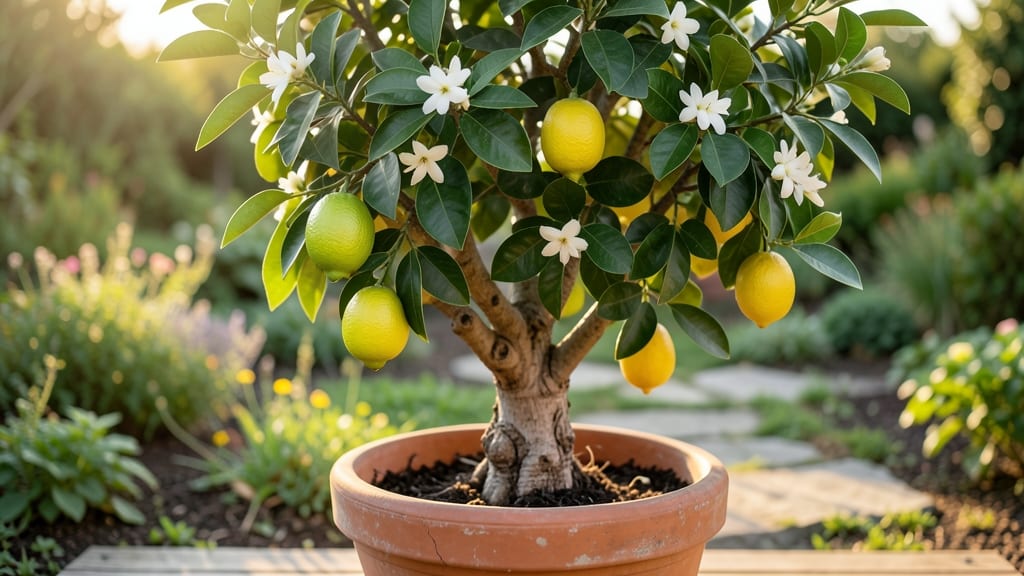
Growing Meyer lemon trees in pots unlocks year-round citrus in even tiny spaces. 🌿 The secret isn't just dwarf varieties—it's mimicking their Mediterranean homeland with bright light, well-draining soil, and winter warmth.
I've had mine produce fruit indoors since last Christmas, and the scent of blossoms in February is worth every effort. Start with a 15-20 gallon pot for mature trees (smaller for young ones) and mix equal parts potting soil, perlite, and compost.
Meyer lemons thrive in full sun—10+ hours daily—but adapt to indoor south-facing windows if you supplement with a grow light during short days. The key is consistency: water when the top inch feels dry, but never let them sit in soggy soil.
You'll see new growth within weeks, and with proper care, your tree can bear fruit year after year. The first harvest might be small—maybe just a few lemons—but the taste is sweeter than anything from the store.
Prune lightly after fruiting to encourage bushier growth, and watch for pests like spider mites (they love dry air). This works for balconies, kitchens, or sunrooms—just adjust light and temperature as seasons change. Here's how to keep yours thriving through every month of the year.
📚 In This Guide
- What you need
- Instructions
- Tips and common mistakes
- Wrapping up and next steps
What you need
- ● Pot: A dwarf Meyer lemon tree thrives in a container at least 12–18 inches wide and deep (5–7 gallons). Opt for terracotta, ceramic, or fabric pots with drainage holes.
- ● Well-draining potting mix: Use a blend of 50% premium citrus potting soil and 50% perlite or coarse sand to prevent root rot.
- ● Meyer lemon tree: Purchase a 1–3-year-old dwarf variety from a nursery (avoid bare-root plants unless experienced).
- ● Drainage tray: A shallow tray to catch excess water and prevent messes.
- ● Fertilizer: A balanced citrus fertilizer (e.g., 6-6-6 NPK) or organic options like fish emulsion or citrus-specific granules.
- ● Trowel or small shovel: For planting and repotting.
- ● Spray bottle: To mist leaves and maintain humidity (especially in dry climates).
- ● Support stake or trellis: Helps young trees stay upright as they grow.
- ● pH testing kit: Ensures soil pH stays between 6.0–7.0 (ideal for citrus).
- ● Slow-release fertilizer tablets: Convenient for timed nutrient release.
- ○ Mulch (optional): Use organic mulch (e.g., bark chips) to retain moisture and regulate temperature.
Step-by-step guide to growing a thriving Meyer lemon tree in a pot
Here's how I've grown dwarf Meyer lemons indoors for years—no green thumb required.
🪴 Step 1: Choose the Right Container and Drainage
Start with a pot that's at least 12 inches wide and deep—Meyer lemons need room for roots to spread. I use unglazed terra cotta because it breathes and prevents root rot, but any container with drainage holes works. If your pot lacks holes, drill them yourself—two to three ½-inch holes near the bottom are ideal.
Place a 2-inch layer of gravel or broken pottery at the bottom before adding soil. This creates an air pocket that prevents waterlogging, which is the #1 killer of potted citrus. The gravel also helps roots stay oxygenated, especially in heavy soil. I always test drainage by filling the pot with water—if it drains within 10-15 minutes, you're good to go.
🌱 Step 2: Plant in Well-Draining Soil and Position for Light
Fill the pot with a mix of 50% potting soil and 50% perlite or coarse sand—this keeps roots from sitting in soggy conditions. I like to add a handful of slow-release citrus fertilizer to the soil before planting. Place your Meyer lemon tree so the root ball sits 1 inch below the pot's rim—this prevents soil from spilling out when you water.
Meyer lemons crave 6-8 hours of direct sunlight daily, but too much harsh afternoon sun can scorch leaves. A south- or west-facing window works best, but if your space is shady, supplement with a grow light kept 6-12 inches above the plant. You'll know the light is right when leaves stay bright green, not yellow or pale.
💧 Step 3: Water Deeply and Maintain Consistent Moisture
Water your Meyer lemon once a week (or when the top 2 inches of soil feel dry). Stick your finger in the soil—if it's damp past your first knuckle, wait another day. Overwatering is worse than underwatering; yellow leaves or mushy stems mean you're drowning the roots. When watering, pour slowly until it drains from the bottom holes—never let the plant sit in standing water.
In winter, reduce watering to every 10-14 days—citrus trees go semi-dormant and need less moisture. I always check the soil with my finger before watering; if it's still damp, I hold off. A moisture meter helps if you're unsure, but your finger works just fine. The goal is even moisture, not soggy soil.
✂️ Step 4: Prune and Fertilize for Healthy Growth
Prune your Meyer lemon in early spring to shape the tree and encourage fruit production. Cut back overly long branches to ⅓ their length using clean, sharp pruners. Avoid cutting into old wood—focus on new growth. I also remove any dead, crossing, or crowded branches to improve airflow. After pruning, wipe the cuts with rubbing alcohol to prevent disease.
Feed your tree every 6-8 weeks with a citrus-specific fertilizer (high in nitrogen in spring, balanced in summer). I mix the fertilizer into the top 2 inches of soil and water deeply to help roots absorb it. If you see small, pale leaves, it's a sign of nutrient deficiency—time to fertilize again. Avoid over-fertilizing; brown leaf tips mean you've overdone it.
☀️ Step 5: Pollinate and Care for Fruit
Meyer lemons need help pollinating since they're grown indoors. Use a small paintbrush to gently transfer pollen between flowers 2-3 times a week during blooming season (spring). You'll know flowers are ready when they open fully—white with a hint of pink. After pollination, tiny green lemons will appear in 4-6 weeks.
As fruit develops, reduce water slightly to prevent bitter-tasting lemons (too much water dilutes flavor). Harvest when the fruit is fully yellow and gives slightly when gently squeezed. A ripe Meyer lemon will smell sweet and citrusy—never wait for it to fall off the tree. Store harvested lemons in a cool, dark place to keep them fresh for weeks.
Tips & tricks for growing a thriving Meyer lemon tree in a pot
Here's what I learned after years of growing these sweet little citrus trees indoors.
Container Size Matters: That 12-inch minimum pot isn't just a suggestion—it's critical. Meyer lemons have aggressive root systems that need room to spread. I've seen people use smaller pots and end up with stunted growth or root-bound trees. If you're worried about the size, remember you can always repot every 2-3 years during spring pruning. The key is starting with enough space from day one.
Lighting Hack: When positioning your tree for those essential 6-8 hours of sunlight, pay attention to the time of year. In winter, when sunlight is weaker, you might need to move the tree closer to the window or supplement with a grow light. I place mine on a rotating stand so I can adjust its position throughout the day. Watch for leaves that turn yellow or pale—this is your plant's way of saying "I need more light!"
Watering Wisdom: That 10-15 minute drainage test is your best friend. If water pools at the bottom after 15 minutes, your pot needs better drainage. I've found that adding a third hole on the opposite side from the original two helps with even water distribution. And remember, the top 2 inches of soil should be dry before watering again—this prevents both overwatering and underwatering. In winter, I double-check by sticking my finger in the soil; if it's damp past my first knuckle, I wait.
Fertilizer Timing: The 6-8 week feeding schedule is perfect, but here's the secret: split that dose. Instead of one big feeding, divide your citrus fertilizer into two smaller applications spaced 3-4 weeks apart. This mimics natural nutrient availability and prevents fertilizer burn. I also switch to a lower-nitrogen fertilizer in late summer to encourage fruiting rather than leaf growth. The difference in fruit production is noticeable!
Pro Tips for Growing Meyer Lemon Tree In A Pot
- Here's what I learned after years of growing these sweet little citrus trees indoors.
- Container Size Matters: That 12-inch minimum pot isn't just a suggestion—it's critical. Meyer lemons have aggressive ...
- Lighting Hack: When positioning your tree for those essential 6-8 hours of sunlight, pay attention to the time of yea...
Frequently asked questions
Got questions?
Growing a Meyer lemon tree in a pot is rewarding, but it’s natural to have doubts along the way. Here are answers to the most common queries—so you can enjoy luscious lemons without the guesswork!
How big should the pot be for a Meyer lemon tree?
A 5-gallon container is ideal for young trees, but mature Meyer lemons thrive in 15- to 20-gallon pots (at least 12 inches deep). Ensure drainage holes are present to prevent root rot. Pro tip: Use a pot with wheels for easy seasonal moves!
When will my potted Meyer lemon tree bear fruit?
Patience is key! With proper care, your tree may produce small, tart-sweet lemons in 2–3 years. Dwarf varieties (like ‘Improved Meyer’) often fruit faster than standard types. Boost production: Prune lightly in spring and fertilize monthly with citrus-specific nutrients.
Can I grow a Meyer lemon tree indoors year-round?
Yes, but it needs bright, indirect light (6+ hours daily). Place near a south-facing window or supplement with a grow light. Avoid drafts (like AC vents) and maintain 60–70°F temperatures. Winter warning: Brown leaves? It’s likely thirsty—adjust watering to keep soil lightly moist.
Why aren’t my Meyer lemon tree’s leaves turning green?
Yellow or pale leaves often signal overwatering, nutrient deficiency, or poor drainage. Check soil moisture (top inch should dry between waterings) and flush the pot with water to remove salt buildup. Feed with citrus fertilizer every 4–6 weeks. Quick fix: A foliar spray of diluted seaweed extract can revive struggling foliage.
What’s the best alternative if I can’t grow Meyer lemons?
Try these low-maintenance citrus alternatives for pots:
- Calamondin orange: Tiny, fragrant fruit; thrives in shade.
- Kumquat: Sweet peel + tart flesh; compact and cold-hardy.
- Limequat: Hybrid of lime + kumquat; prolific bloomer.
Bonus: All three tolerate indoor conditions better than lemons!
Wrapping up and next steps
Growing a Meyer lemon tree in a pot is a rewarding journey that brings fresh, fragrant citrus to your doorstep—literally! With the right dwarf variety, proper care, and a little patience, you’ll enjoy sweet lemons year-round, even in small spaces.
Whether you’re a seasoned gardener or a beginner, this container-friendly tree proves that big flavors don’t need big yards.
Now that you’re armed with the secrets to success, why not take the next step? Start your Meyer lemon tree today—pick your pot, plant those seeds, and watch your citrus dreams bloom! 🌱✨