
Pruning
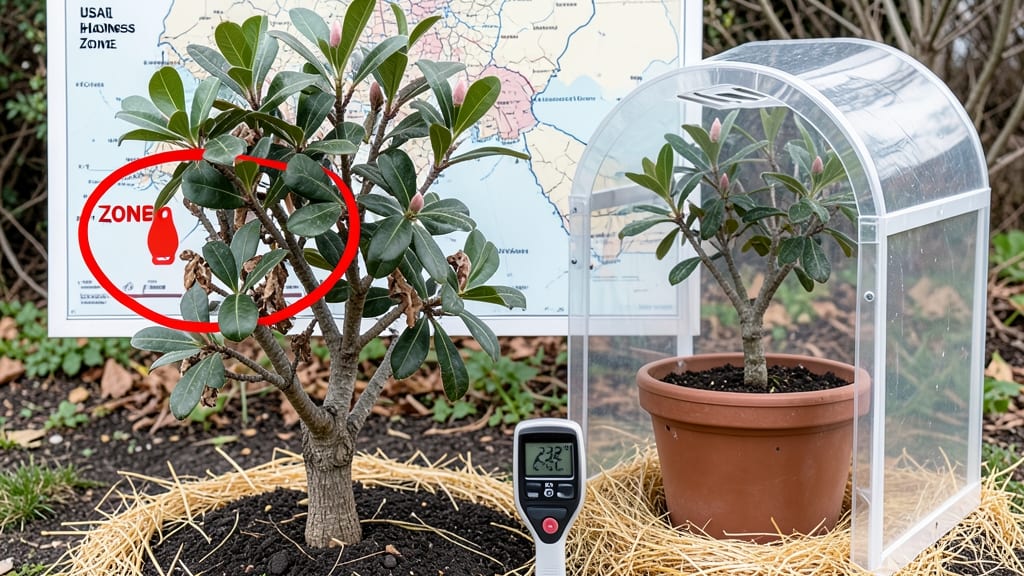
Guava tree cold hardiness depends on USDA Zones 9-11 as their ideal range, but they can endure short cold snaps down to 28°F (-2°C) with proper safeguards. Young trees require extra insulation like wraps or mulch, while mature trees handle light frost better if the ground stays insulated. Watch for signs like leaf browning or bark splitting, which often heal with attentive care.
Understanding guava tree cold hardiness means recognizing how temperature extremes stress these tropical plants. 🌱 While standard varieties struggle below 32°F (0°C), some cold-resistant hybrids can brave 25°F (-4°C) with protection.
The key difference lies in their root systems—roots are more vulnerable than the canopy, so insulating the soil is critical. I’ve seen gardeners use thick mulch or even heated root zones in extreme climates to prevent dieback.
Even when damage occurs, pruning affected branches and fertilizing in spring often helps trees bounce back.
For those in marginal zones, microclimates make all the difference. Planting near south-facing walls or using frost cloths can raise the effective temperature by 5-10°F. 🌡️ The goal isn’t just survival but minimizing stress—trees that experience repeated cold shocks may produce fewer fruits or grow more slowly.
Always monitor weather forecasts and act preemptively, especially during unexpected late frosts.
💡 In This Article
- USDA Zones and Guava Tree Cold Tolerance Limits
- Winter Protection Strategies for Guava Trees
USDA zones and guava tree cold tolerance limits
Guava trees (Psidium guajava) are tropical natives that naturally thrive in USDA Zones 9-11, where winter temperatures rarely drop below 32°F (0°C).
The science behind their cold sensitivity lies in their cellular structure—when exposed to freezing temperatures, water inside plant cells expands, causing membrane rupture and tissue damage. 🌡️ This process is called cryoinjury, where ice crystals physically tear through cell walls, disrupting nutrient flow and photosynthesis.
Standard guava varieties begin showing stress at 30°F (-1°C), with irreversible damage occurring below 28°F (-2°C) without protection.
The most vulnerable parts are the roots and young shoots, which lack the protective bark of mature stems. Roots can suffer damage at 35°F (2°C) if the ground isn’t insulated, while the canopy may survive slightly colder air temperatures.
Cold-hardy hybrids, like those developed for Florida’s climate, can tolerate down to 25°F (-4°C) due to genetic adaptations that increase cell membrane stability and reduce water content in tissues. These hybrids often have thicker bark and deeper root systems that anchor them better in cooler soils.
What most gardeners overlook is how soil temperature affects survival—roots need protection from 32°F (0°C) ground temps, even if the air is warmer.
The ground cools faster and stays colder longer, especially in sandy or rocky soils that drain heat quickly. 🌱 In contrast, clay soils retain warmth better, giving roots a slight advantage.
This is why mulching with 4-6 inches of organic material (like straw or wood chips) is critical—it acts as an insulating blanket, maintaining soil temps 5-10°F warmer than exposed ground.
Leaf damage is often the first visible sign of cold stress, appearing as brown, crispy edges or entire leaves turning black—a condition called leaf scorch. This happens when cell membranes rupture, releasing pigments and causing tissue death.
Bark splitting is another red flag, occurring when rapid temperature swings cause the outer layer to contract and crack. Surprisingly, these symptoms don’t always mean the tree is doomed—many guavas regrow leaves and even fruit the following season if the roots remain intact.
For those pushing guava trees into Zone 8 or cooler, consider these thresholds: 32°F (0°C) is the absolute minimum for unprotected trees, while 28°F (-2°C) is the survival limit with heavy mulch and frost cloths.
The key is preparation—trees acclimated gradually to cooler temps (via fall hardening) fare better than those shocked by sudden freezes. 💫 This involves reducing watering in late summer and avoiding high-nitrogen fertilizers, which keep growth active and vulnerable to cold.
One often-asked question is whether guava trees can recover from frost damage. The answer depends on how deep the cold penetrated: superficial leaf damage is usually reversible, but if the trunk or major roots are affected, recovery is less likely.
Pruning back dead wood in early spring and applying a balanced fertilizer (like 10-10-10) can stimulate regrowth, but the tree may take 1-2 years to fully rebound. In extreme cases, grafting cold-hardy scions onto surviving rootstock can save the tree.