
Light Requirements
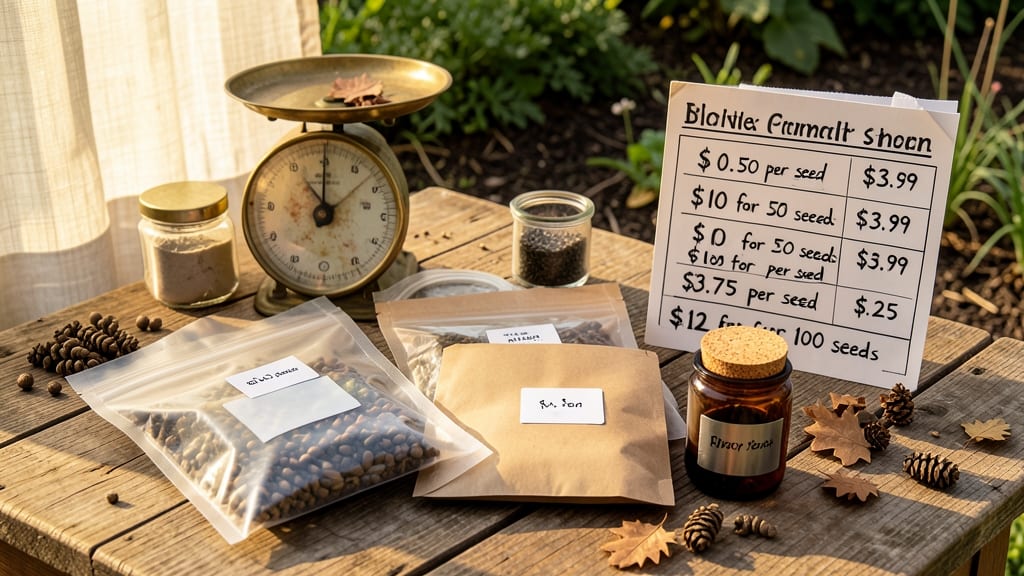
Tree seed costs range from $1 to $20 per packet, depending on species—rare varieties like oak or avocado can cost $50+, while common types such as pine or maple average $3–$10. Bulk purchases often drop prices below $1 per seed, though heirloom or organic seeds may exceed $30.
Pricing for tree seeds depends heavily on the species' popularity and growth characteristics. 🌳 For example, fast-growing trees like willow or poplar tend to be cheaper because they're easier to cultivate, while slow-growing or drought-resistant varieties command higher prices.
The cost also reflects seed viability—packets with higher germination rates (like those from certified nurseries) will always be pricier than untested wild-collected seeds. If you're planting multiple trees, buying in bulk or during seasonal sales (spring and fall) can save you 30-50% compared to retail prices.
Another key factor is whether you're buying seeds for fruit-bearing trees versus ornamental varieties. 🍎 Fruit tree seeds often cost more because they require careful handling to ensure viability, while native species may be cheaper if sourced locally.
Always check seller reviews to avoid low-quality seeds that fail to sprout—some budget options from unknown suppliers can end up costing more in wasted time and replanting efforts.
💡 In This Article
- Factors Influencing Tree Seed Pricing by Species
- Best Places to Buy Tree Seeds for Budget and Quality
Factors influencing tree seed pricing by species
The rarity of a tree species directly impacts pricing—native or locally adapted trees often cost less because they’re easier to source and grow. For example, common pine seeds typically sell for $3–$8 per packet, while exotic species like the Japanese maple can reach $25–$40 due to limited availability.
The reason? Exotic seeds require specialized handling, shipping, and often come from smaller batches. 🌿
Germination rates play a huge role too. Seeds with 90%+ viability (like those from certified nurseries) cost more because they’re tested for quality, whereas wild-collected seeds might only guarantee 50–70% success and sell for 50–70% less.
Even within the same species, seed size matters—large seeds (e.g., oak acorns) are pricier because they’re harder to harvest and process in bulk. A packet of oak seeds can cost $15–$30, while tiny seeds like birch average $2–$5.
Fast-growing trees like willow or poplar stay affordable ($1–$5 per packet) because they’re low-maintenance and widely used for erosion control or privacy screens. In contrast, slow-maturing species (e.g., white oak, which takes 30+ years to produce acorns) command premium prices due to their long-term value.
Climate zones also affect costs—seeds adapted to arid regions (like mesquite) may cost 20–30% more than those for temperate climates, reflecting higher growing risks. 🌵
Fruit-bearing trees are another pricing category. Avocado seeds can cost $50+ because they’re tricky to germinate and often require 6–12 months of care before producing fruit. Meanwhile, apple seeds from heirloom varieties might run $10–$25, while those from common cultivars (like Granny Smith) stay under $8.
The key difference? Heirloom seeds are bred for unique traits and may not grow true from seed, requiring more effort to cultivate.
Demand spikes for ornamental trees too—species like dogwood or magnolia sell for $15–$30 because they’re prized for their flowers and foliage. Even within ornamental trees, dwarf varieties (ideal for small yards) can cost 2–3x more than standard-sized trees.
The trade-off? Smaller seeds (like those from Japanese cherry trees) often come in packets with 50+ seeds, making them a budget-friendly way to plant multiple trees for $10–$15. 🌸
One final factor: seasonal pricing. Seeds bought in spring or fall (peak planting seasons) may cost 10–20% more due to higher demand, while winter sales can slash prices by 30–50%.
Always check the number of seeds per packet—some "budget" options include only 5–10 seeds, while premium packets offer 50–100+. For example, a $5 packet of pine seeds might contain 20 seeds, while a $10 packet could have 100+. 💰