
How To
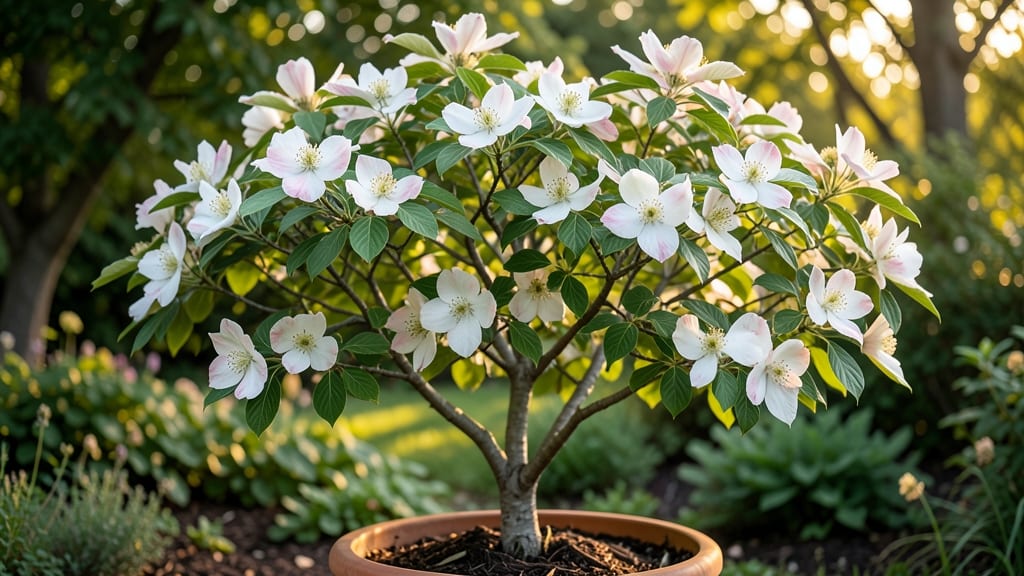
A dogwood tree can grow anywhere from 10 to 30 feet tall at maturity, depending on the variety and growing conditions 🌳 — a range that can make all the difference in your landscape design.
If you're dreaming of a stunning shade tree with delicate blooms and year-round interest, dogwood trees are a top choice—but their mature height can drastically change your landscape plans.
Some varieties, like the Cornus florida, reach 20 to 30 feet, making them better suited for larger properties, while dwarf types stay under 12 feet, perfect for small gardens or container planting.
Below, I’ll break down the height differences by species, how to control growth, and tips for choosing the right size for your space—so you can plant with confidence.


Dogwood tree height by variety: small to giant mature sizes
Choosing a dogwood tree often comes down to one key question: how tall can a dogwood tree grow? The answer varies dramatically between species, from dwarf varieties perfect for small gardens to towering giants that dominate the landscape.
Understanding these differences helps you select the perfect tree for your space, whether you need a privacy screen, a shade focal point, or a delicate understory plant.
Dogwood trees (Cornus spp.) are prized for their seasonal interest, from spring blooms to vibrant fall foliage. However, their mature height can range from just 6 feet to over 30 feet, making variety selection critical.
Below, I’ll break down the height ranges of popular dogwood types, including flowering dogwoods, Kousa dogwoods, and dwarf varieties, so you can plan your landscape with confidence.
| Variety | Mature Height | Spread | Growth Rate | Best For |
|---|---|---|---|---|
| Flowering Dogwood (Cornus florida) | 20–25 ft | 15–20 ft | Moderate (1–2 ft/year) | Large yards, shade trees |
| Kousa Dogwood (Cornus kousa) | 15–20 ft | 12–15 ft | Slow to moderate | Urban landscapes, small estates |
| Dwarf Dogwood (Cornus florida 'Rubra') | 6–10 ft | 6–8 ft | Slow (6–12 in/year) | Small gardens, containers |
| Pacific Dogwood (Cornus nuttallii) | 30–40 ft | 20–30 ft | Fast (2–3 ft/year) | Large properties, woodland edges |
| Golden Sunset Dogwood (Cornus florida 'Golden Sunset') | 15–20 ft | 12–15 ft | Moderate | Colorful landscapes, focal points |
If you’re working with a small yard, dwarf varieties like Cornus florida 'Rubra' are ideal—they top out at just 6–10 feet and grow slowly, making them perfect for containers or tight spaces.
For medium-sized landscapes, the classic flowering dogwood (Cornus florida) strikes a balance, reaching 20–25 feet while still fitting in suburban settings.
For those with large properties, the Pacific dogwood (Cornus nuttallii) is a showstopper, often exceeding 30 feet and thriving in woodland gardens. Its rapid growth means it can quickly establish as a privacy screen or shade provider.
However, its massive size requires careful planning—plant it at least 15 feet from structures to avoid root interference.
Growth rates also play a role in your decision. Fast-growing varieties like the Pacific dogwood can add 2–3 feet per year, while slower growers like dwarf dogwoods advance at just 6–12 inches annually.
This means a Pacific dogwood might reach maturity in 10–15 years, while a dwarf variety could take 20+ years to fill out. Factor this into your timeline if you’re planting for long-term impact.
Another consideration is the canopy spread. Even if a dogwood’s height fits your space, its width might not. For example, a 20-foot-tall flowering dogwood can spread 15–20 feet, creating a broad umbrella of shade.
Always measure both height and spread when selecting a spot—planting too close to fences or sidewalks can lead to root damage or overcrowding.
Proper pruning techniques can also influence a dogwood’s final height. Regular pruning in early spring encourages a fuller shape and can slightly reduce height over time. However, avoid heavy pruning, as dogwoods are sensitive to over-pruning, which can stress the tree and stunt its growth.
How to choose the right dogwood size for your landscape
Selecting the perfect dogwood tree depends on your yard’s size and design goals. These trees range from compact shrubs to towering shade giants, so understanding their mature heights helps you avoid overcrowding or underwhelming results.
Whether you want a focal point near your patio or a privacy screen along a fence, the right variety ensures harmony in your landscape.
Start by measuring your space and matching it to the dogwood’s mature height range. For example, a small yard (under 1,000 sq ft) benefits from dwarf varieties like Cornus florida ‘Cherokee Brave’, which tops out at 10–12 feet.
Larger properties can accommodate standard dogwoods, such as Cornus florida ‘Rubra’, reaching 20–25 feet—ideal for creating a natural canopy over lawns or driveways.
Dogwood Height Guide by Landscape Use
- Small Yards (Under 1,000 sq ft): Choose dwarf varieties (8–12 ft) like Cornus kousa ‘Milky Way’ for patio accents or foundation plantings.
- Medium Yards (1,000–3,000 sq ft): Opt for semi-dwarf types (15–20 ft), such as Cornus florida ‘Stellar Pink’, to frame entryways or small gardens.
- Large Properties (Over 3,000 sq ft): Plant standard dogwoods (20–30 ft), like Cornus florida ‘Cherokee Princess’, as shade trees or privacy barriers.
- Understory Plantings: Use low-growing varieties (6–10 ft), such as Cornus sericea ‘Fireside’, under taller trees for layered interest.
- Pruning Tip: To control height, prune in late winter while the tree is dormant. Remove 1/3 of the canopy at a time to encourage bushier growth.
Sunlight exposure also influences height. Dogwoods thrive in partial shade (4–6 hours of sun daily), where they grow more slowly and develop denser canopies. In full sun, they may grow taller but require more frequent watering to prevent stress.
For example, Cornus florida ‘Southern Gentleman’ reaches 20 feet in full sun but stays around 15 feet in partial shade.
Consider the tree’s growth rate when planning. Most dogwoods grow 1–2 feet per year, so a 10-foot dwarf will take 5–10 years to mature. If you need instant impact, choose a pre-mature specimen (3–5 feet tall) from a nursery.
Always space dogwoods 10–20 feet apart to allow airflow and reduce disease risk, like powdery mildew or anthracnose.
For privacy screens, plant multiple dogwoods in a staggered row. Use fast-growing varieties like Cornus sericea ‘Cardinal’ (12–15 feet tall) for quicker results.
If your goal is a focal point, select a single specimen with striking blooms, such as Cornus kousa ‘Constellation’ (15–20 feet), and position it near a pathway or seating area for year-round appeal.
Remember, dogwoods are low-maintenance but benefit from annual pruning to remove dead branches and shape the canopy. Mulch around the base to retain moisture and suppress weeds, which helps the tree allocate energy to healthy growth rather than competing with invasive plants.
With the right variety and care, your dogwood will thrive for decades, becoming a beloved centerpiece in your landscape. 🌳