
How To
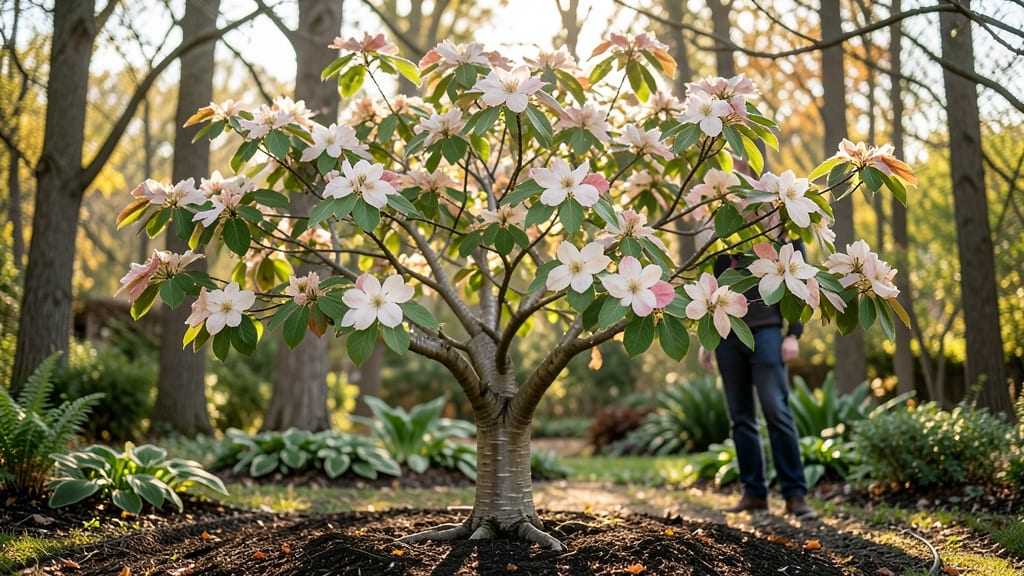
How tall does a dogwood tree grow? At maturity, they typically reach between 10 and 30 feet, but the right variety can keep your yard looking stunning without taking over your space.
If you love the delicate beauty of dogwood trees but have limited space, you’ll be thrilled to know that some varieties stay compact—perfect for small yards, urban gardens, or even large containers.
The key is choosing the right type: dwarf varieties like Cornus florida ‘Cherokee Brave’ max out around 8 to 12 feet, while semi-dwarf options like Cornus kousa ‘Milky Way’ reach 12 to 18 feet.
Below, I’ll break down how to pick the perfect dogwood for your landscape, including pruning tips to manage height and keep your tree thriving for years.


Dogwood tree height guide: varieties under 15 feet explained
If you're dreaming of adding a dogwood tree to your garden but worried about space, you're in luck! Many dogwood varieties stay well under 15 feet at maturity, making them perfect for small yards, urban gardens, or even large containers.
The key is choosing the right dwarf or semi-dwarf cultivar—each offers stunning blooms while keeping a compact footprint. Let's explore the best options and how to care for them to maintain their ideal height.
Understanding dogwood tree height starts with variety selection. Some types, like the classic Cornus florida, can reach 20-30 feet in standard forms, but dwarf versions like 'Cherokee Brave' stay between 8-12 feet.
Other species, such as Cornus kousa or Cornus sericea, naturally grow smaller, making them ideal for tight spaces. The right choice depends on your garden layout, sunlight conditions, and long-term maintenance goals.
| Variety | Mature Height (ft) | Spread (ft) | Sunlight Needs | Best For |
|---|---|---|---|---|
| Cornus florida 'Cherokee Brave' | 8-12 | 6-8 | Partial shade | Small yards, containers |
| Cornus kousa 'Milky Way' | 10-15 | 8-10 | Partial shade | Urban gardens, mixed borders |
| Cornus sericea 'Fireside' | 6-10 | 5-7 | Full sun to partial shade | Wet areas, rain gardens |
| Cornus florida 'Rubra' | 12-15 | 8-10 | Partial shade | Woodland gardens, shade gardens |
The Cornus florida 'Cherokee Brave' is one of the most popular dwarf dogwoods for small spaces. This variety matures at just 8-12 feet tall while producing vibrant pink flowers in spring.
It thrives in partial shade, making it ideal for understory plantings or as a focal point in shaded gardens. For container growing, choose a large pot (20+ gallons) and prune annually to control height.
Cornus kousa 'Milky Way' is another excellent choice, reaching 10-15 feet with a slightly wider spread. This variety is known for its fragrant white flowers and edible fruit, adding both beauty and functionality to your garden. It tolerates a wider range of soil types and is more drought-tolerant than other dogwoods, making it a low-maintenance option for busy gardeners.
If you're looking for a dogwood for wet areas, Cornus sericea 'Fireside' is a standout. This variety stays compact at 6-10 feet tall and features striking red stems in winter. It thrives in full sun to partial shade and is perfect for rain gardens or near ponds.
Its tolerant nature makes it a great choice for challenging sites where other trees struggle.
To maintain your dogwood's height, focus on proper pruning and soil care. Prune in late winter or early spring before new growth begins, removing any dead or crossing branches.
Avoid heavy pruning, as it can stress the tree and reduce flowering. For container-grown dogwoods, prune more frequently to encourage bushier growth and prevent the tree from outgrowing its pot.
Another critical factor in controlling dogwood tree height is soil quality. Dogwoods prefer well-draining, slightly acidic soil with a pH between 5.0 and 6.0. Amend heavy clay soils with compost or peat moss to improve drainage and aeration.
Mulching around the base of the tree helps retain moisture and suppresses weeds, which can compete for nutrients and stunt growth.
When planning your garden layout, consider the mature height of your dogwood variety alongside other plants. For example, pairing a 10-foot dogwood with 3-5 foot shrubs creates a layered look that maximizes visual interest.
In urban settings, dogwoods can also serve as privacy screens or street tree alternatives, offering shade and
How to choose the right dogwood tree for your landscape
Choosing the perfect dogwood tree for your landscape starts with understanding its growth habits and space requirements. These trees offer stunning blooms and year-round interest, but their mature height varies dramatically—from compact varieties perfect for small yards to towering specimens for spacious gardens.
To make the right choice, consider your sunlight exposure, soil conditions, and how much space you’re willing to dedicate to maintenance.
One of the first questions I ask myself is: How tall does this dogwood tree grow? The answer determines whether it fits your yard layout or container garden.
For example, a Cornus florida can reach 20-30 feet in ideal conditions, while a dwarf variety like ‘Cherokee Brave’ stays under 10 feet. Matching the tree’s mature height to your space ensures it thrives without overwhelming your landscape.
When selecting a dogwood, prioritize dwarf or semi-dwarf varieties if space is limited. For instance, Cornus florida ‘Rubra’ stays around 15-20 feet, making it ideal for medium-sized yards.
In urban settings, consider potted dogwoods like Cornus kousa ‘Golden Glow’, which max out at 12 feet and can be moved seasonally.
Don’t overlook soil preparation—dogwoods hate soggy roots. If your yard has poor drainage, opt for raised beds or mounding soil to create a well-draining environment. I’ve seen dogwoods struggle in waterlogged areas, so always test your soil before planting.
A simple permeability test (dig a hole, fill with water, and time how long it drains) can save you from future headaches.
Finally, think about long-term maintenance. Larger dogwoods may require regular pruning to control height, while compact varieties need minimal upkeep. If you’re new to pruning, start with thinning cuts to improve airflow and reduce disease risk. Always sterilize your tools with rubbing alcohol to prevent spreading pathogens.
With the right dogwood variety and care, you’ll enjoy years of stunning blooms and lush foliage—without sacrificing your garden’s layout. Whether you choose a towering Cornus florida or a dwarf cultivar, these trees add timeless elegance to any landscape. 🌳