
How To
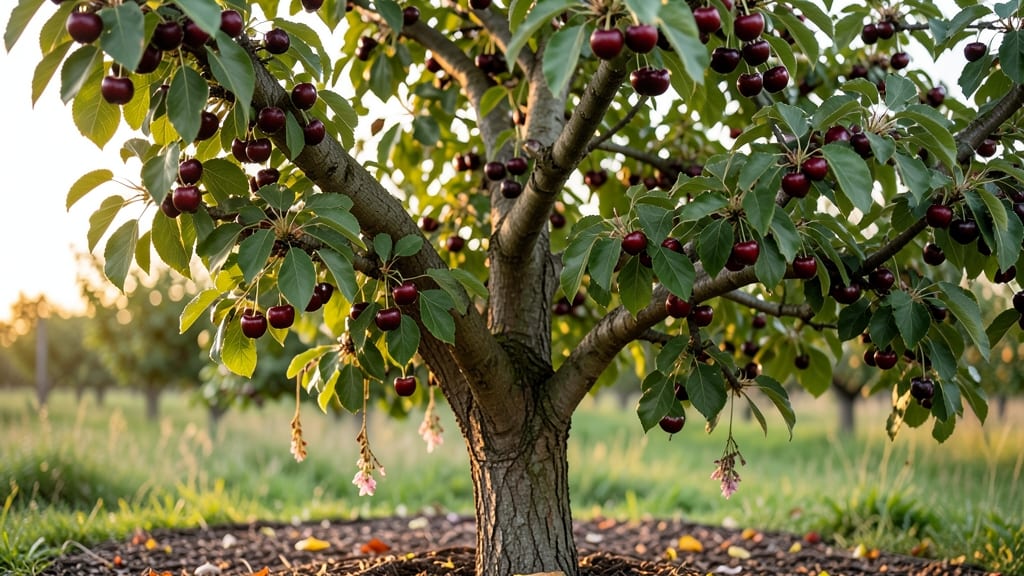
A Bing cherry tree how tall does a Bing cherry tree grow typically between 15 and 25 feet at maturity, making it a statement piece in any orchard or backyard—but that height isn’t set in stone.
If you’re eyeing this classic variety for your space but cringing at the thought of a towering tree, you’re not alone. Many gardeners assume Bing cherries demand a sprawling yard, but with the right variety and care, you can keep it more manageable.
The standard Bing cherry tree leans toward the taller end of the spectrum, but dwarf versions—like ‘Stella’—top out around 8 to 12 feet, perfect for smaller gardens or urban lots. Pruning and rootstock choices also play a huge role in controlling its growth.
Below, I’ll break down how to estimate your tree’s eventual height, the best spacing for planting, and simple pruning tricks to keep it from outgrowing your space—or your patience.


Bing cherry tree height: mature size by variety and growth conditions
If you're dreaming of fresh Bing cherries straight from your backyard but wondering if your space can accommodate this classic variety, you're not alone—tree height is the first question every gardener asks.
The Bing cherry tree is a popular choice for its sweet-tart fruit, but its mature size can vary dramatically based on the variety and growing conditions. Understanding these factors will help you plan your garden layout and ensure your tree thrives.
Standard Bing cherry trees typically reach heights between 15 to 25 feet at maturity, making them a substantial addition to any landscape. However, if you're working with limited space, dwarf varieties can keep your tree between 6 to 10 feet.
The right choice depends on your USDA hardiness zone, soil quality, and how much maintenance you're willing to commit to.
| Variety | Mature Height (ft) | USDA Zones | Growth Rate (ft/year) | Notes |
|---|---|---|---|---|
| Standard Bing | 15–25 | 5–8 | 1–2 | Needs full sun, well-draining soil |
| Dwarf Bing (e.g., Stella) | 6–10 | 5–8 | 0.5–1 | Ideal for small gardens, containers |
| Semi-Dwarf Bing | 12–18 | 5–8 | 0.8–1.5 | Balanced size for medium spaces |
Your USDA hardiness zone plays a crucial role in determining how tall your Bing cherry tree will grow. Trees in warmer zones (7–9) tend to grow faster and reach their mature height sooner due to longer growing seasons.
In contrast, trees in cooler zones (5–6) may grow more slowly, staying shorter for longer periods. For example, a standard Bing cherry in Zone 7 might reach 20 feet in 8–10 years, while the same tree in Zone 5 could take 12–15 years.
Soil quality is another critical factor. Well-draining, slightly acidic soil (pH 6.0–6.5) promotes healthier root systems, which directly impacts tree height and fruit production. If your soil is heavy clay or sand, amending it with compost or organic matter can improve drainage and nutrient availability.
Poor soil conditions can stunt growth, keeping your tree smaller than expected or making it more susceptible to diseases like brown rot.
Pruning is the most effective way to control the height of your Bing cherry tree. Regular structural pruning in late winter or early spring helps shape the tree and encourages upward growth. For standard varieties, aim to prune 20–30% of the canopy annually to maintain a manageable height.
Dwarf varieties require lighter pruning—10–15%—to avoid stressing the tree. Always use sterilized tools to prevent the spread of bacterial canker, a common disease in cherries.
Climate also influences height. Trees in humid climates may grow more vigorously but are at higher risk for fungal diseases, which can weaken the tree and affect its growth. In drier regions, Bing cherries may grow more slowly but produce higher-quality fruit.
If you're in a windy area, consider planting a windbreak or choosing a sheltered spot to protect young trees from damage, which can stunt growth.
Spacing is often overlooked but critical for height management. Standard Bing cherry trees need at least 20 feet of space between them and other trees or structures to avoid competition for nutrients and sunlight.
Dwarf varieties can be spaced 10–15 feet apart, but even they benefit from proper airflow to reduce disease risk. Planting too close can lead to overcrowding, which slows growth and reduces fruit yield.
If you're growing your Bing cherry in a container, expect even more control over height. Dwarf varieties thrive in large pots (at least 24-inch diameter) and can be pruned aggressively to keep them under 8 feet.
Container-grown trees also benefit from regular root pruning to encourage a compact root system. Just remember, container trees require more frequent watering and fertilization to compensate for limited soil volume.
One common mistake is assuming that a smaller tree will produce fewer cherries. While dwarf varieties yield less than standard trees, they still provide a bountiful harvest for their size—often enough for a family of four.
For example, a 6-foot dwarf Bing can produce 20–30 pounds of fruit annually, while a standard tree yields 100–150 pounds. Weigh your space constraints against your harvest goals when choosing a variety.
To estimate your Bing cherry tree's future height, start by checking its rootstock. Standard trees are grafted onto Mahaleb or Mazzard rootstock, which encourages rapid growth. Dwarf varieties often use Colt or Gisela rootstock, limiting height but improving cold hardiness.
If you're planting from a nursery, ask about the rootstock—this is the best predictor of mature size.
Final tip: Monitor your tree’s growth annually and adjust your pruning strategy as needed. With the right care, even a 25-foot Bing cherry can fit beautifully in your landscape—just
How to control Bing cherry tree height: pruning and spacing tips
Managing the height of your Bing cherry tree is essential for both space planning and fruit production. Without proper care, these trees can reach 15–25 feet tall, which may overwhelm smaller yards.
The good news? With strategic pruning and thoughtful spacing, you can keep your tree at a manageable height while ensuring a bountiful harvest.
Start by understanding that Bing cherry trees grow rapidly in their first few years. If you plant one near your home or fence, proper spacing from day one is critical. A mature tree needs 15–20 feet of space horizontally, but with regular pruning, you can reduce this slightly.
The key is to prune during late winter or early spring before new growth begins.
Here’s a step-by-step guide to controlling your Bing cherry tree’s height while maintaining its health and productivity:
-
Step 1: Plan Your Spacing
Plant your Bing cherry tree at least 15 feet from structures, fences, or other trees. This prevents root competition and gives you room to prune without damaging nearby property.
-
Step 2: Prune in Late Winter
Use clean, sharp pruners to remove 1/3 of the tree’s height during dormancy. Focus on vertical branches to encourage a more compact shape and improve airflow.
-
Step 3: Summer Pruning for Shape
After harvest, trim water sprouts (fast-growing vertical shoots) and crossing branches to maintain an open canopy. This reduces height growth and improves fruit accessibility.
-
Step 4: Thin Out Dense Branches
Remove 20–30% of dense branches annually to reduce height and improve sunlight penetration. Prioritize branches growing upward to keep the tree’s center of gravity low.
-
Step 5: Monitor Growth Seasonally
Check for uncontrolled vertical growth in spring and summer. Prune aggressively if shoots exceed 12 inches in height, redirecting energy to lateral branches.
For smaller gardens, consider planting a dwarf Bing cherry variety, like 'Stella' or 'Lapins,' which max out at 8–12 feet. Even standard varieties can be kept under 15 feet with consistent pruning, making them ideal for urban or suburban backyards.
Just remember: never remove more than 25% of the tree’s foliage in a single pruning session to avoid stress.
Proper spacing and pruning not only control height but also boost fruit production by improving air circulation and sunlight exposure. With patience and regular maintenance, your Bing cherry tree will stay within your desired height limits while rewarding you with delicious, homegrown cherries every season. 🍒