
How To
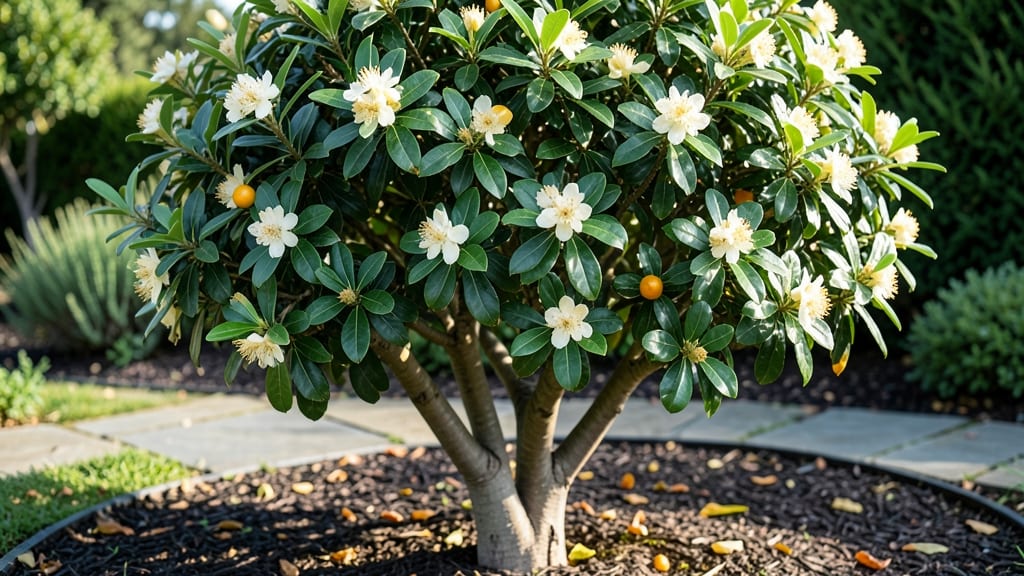
A loquat tree grows how tall does a loquat tree grow between 10 and 20 feet at maturity, depending on the variety and growing conditions—so if you’re eyeing one for your yard, size matters more than you think.
Picture this: a compact 🌳 loquat tree in your small courtyard, its branches heavy with sweet fruit, or a towering standard variety casting shade over a patio. The difference isn’t just aesthetics—it’s about whether you’ll need to prune aggressively or simply step back to admire its height.
Some varieties stay under 12 feet, while others stretch toward 25 feet if left unchecked.
But here’s the kicker: how you care for it—pruning, sunlight, and even the pot you plant it in—can shrink or stretch that height by half.
Below, I’ll break down the exact ranges by variety, how to control growth, and whether your space can handle a full-grown loquat tree (or just a dwarf version).
Ready to pick the perfect size for your garden? Let’s dive into the numbers and tips that’ll save you from a tree that’s either too big for your space or too small for your dreams.


Loquat tree height by variety: exact mature size ranges
Loquat trees (Eriobotrya japonica) are stunning tropical fruit trees that thrive in warm climates, but their mature height can vary dramatically depending on the variety and growing conditions. If you're planning your garden layout, knowing these height ranges will help you choose the perfect fit for your space.
Some varieties stay compact enough for small yards, while others reach impressive heights that make them focal points in larger landscapes.
When selecting a loquat tree, consider not just height but also growth habit—whether it grows upright, spreading, or semi-dwarf. For example, the 'Big Jim' variety can reach 20–25 feet in ideal conditions, while 'Champagne' stays a manageable 10–15 feet.
Climate also plays a role; trees grown in cooler microclimates may stay shorter than those basking in full sun.
🌱
If you're working with a small garden or patio, dwarf varieties like 'Moonlight' (8–12 ft) are perfect for containers or tight spaces. These trees grow slowly and rarely exceed 10 feet, making them ideal for urban gardens or balconies.
Their bushy growth habit also means they produce fruit at a lower height, making harvesting easier.
For larger landscapes, standard varieties like 'Big Jim' or 'Honey Sweet' will create a dramatic focal point. These trees can reach 20–25 feet, so plan for adequate space around them.
Their upright growth habit means they won’t spread widely, but their height requires careful placement to avoid shading smaller plants.
Climate plays a surprising role in height. Loquat trees grown in cooler zones (Zone 7) may stay shorter due to slower growth rates, while those in warmer zones (Zone 10+) can grow taller and faster.
If you're in a transitional zone, consider semi-dwarf varieties like 'Champagne' or 'Golden Nugget', which strike a balance between size and productivity.
One of the biggest misconceptions about loquat trees is that they all grow tall. In reality, pruning and training can significantly influence their height. Regular pruning—especially during late winter or early spring—can keep even standard varieties under control.
For example, if you prune 'Big Jim' aggressively, you can reduce its height by 30–40% over time.
If you're unsure which variety to choose, consider your harvest goals and space constraints. Dwarf varieties like 'Moonlight' produce smaller fruit but are easier to manage, while taller trees like 'Big Jim' yield larger, more abundant harvests.
For the best of both worlds, 'Champagne' offers a happy medium with moderate height and excellent fruit quality.
🌿
How to control loquat tree height: pruning tips for small spaces
If your loquat tree is outgrowing its space, strategic pruning is the key to keeping it manageable. Loquats naturally grow between 15–25 feet tall, but with the right techniques, you can shape them into compact bushes or maintain a desired height.
The best time to prune is late winter or early spring, just before new growth begins.
For dwarf varieties, focus on encouraging bushier growth by pruning the central leader and thinning out crowded branches. Standard varieties need more aggressive height control, especially if you're working with limited space. Always use sterilized pruning shears or a pruning saw for clean cuts.
- Sterilized pruning shears (for small branches)
- Pruning saw (for thicker branches)
- Sharp hand pruners (for precision cuts)
- Disinfectant (to prevent disease)
- Dead or diseased branches (cut first)
- Crossing or rubbing branches (remove one)
- Branches growing inward (thin for airflow)
- Suckers at the base (remove immediately)
- Cut just above a bud (45-degree angle)
- Avoid tearing bark (use sharp tools)
- Remove no more than 25% of foliage at once
- Wipe tools with rubbing alcohol between cuts
- For dwarf varieties, trim top growth to encourage bushiness
- For standard trees, remove vertical leaders to limit height
- Use step ladder for high branches (safety first!)
- Prune new growth in summer to control size
- Apply mulch around base (2–3 inches)
- Water deeply after pruning (1–2 gallons)
- Fertilize with balanced 10-10-10 (spring only)
- Monitor for new growth in 4–6 weeks
To encourage bushier growth in dwarf varieties, prune the central leader and focus on lateral branches. This creates a fuller shape while keeping the tree low.
For standard varieties, remove the top 1–2 feet of growth annually to maintain a manageable height. Always prune just above a bud to promote healthy regrowth.
If your loquat is growing in a container, prune more aggressively to control size. Container-grown trees need regular pruning every 6–12 months to prevent root-bound stress. Remember, loquats are fast growers, so stay proactive with pruning to avoid losing control of their height.
For small-space gardening, consider training your loquat as an espalier or standard tree. This method keeps the tree compact while allowing you to enjoy its beautiful evergreen foliage and delicious fruit. Just be patient—it may take a few years to see your desired shape take full form.
With consistent pruning, your loquat tree will stay healthy, productive, and perfectly sized for your garden. Whether you're aiming for a bushy dwarf or a tall standard, these techniques will help you achieve the perfect fit for your space. Happy pruning! ✂️🌳