
How To
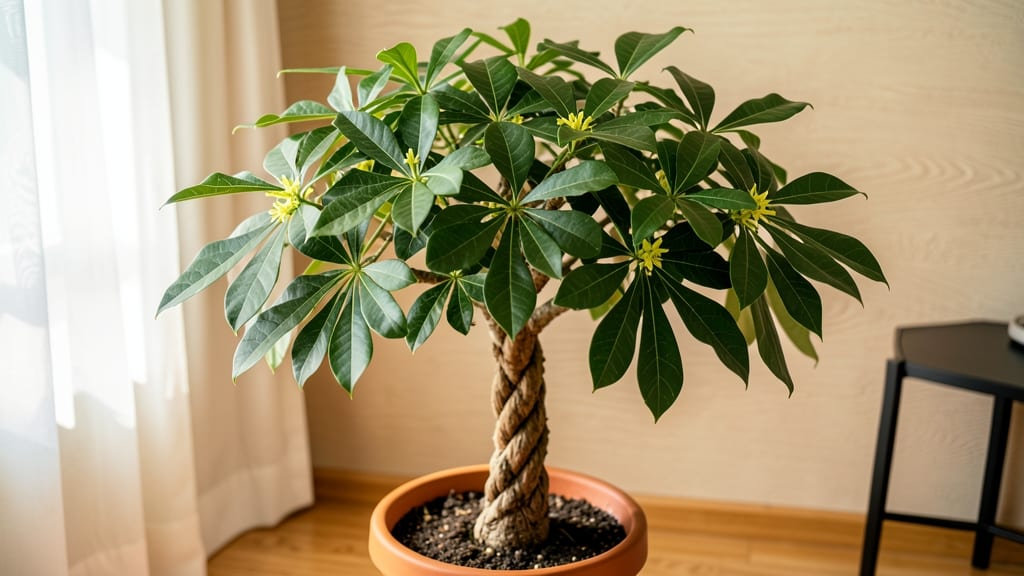
How tall does a money tree grow? It typically reaches heights between 4 and 6 feet indoors with proper care, though some dwarf varieties stay under 3 feet—making it a versatile choice for small spaces or as a towering statement plant.
Ever wondered why your money tree (🌿 Pachira aquatica) seems stuck at 2 feet while your friend’s stretches toward the ceiling? The answer lies in its variety, light exposure, and how often you prune it.
Standard money trees reach their mature height in 3 to 5 years, but with the right conditions—like bright, indirect light and occasional pruning—they can grow faster. Meanwhile, braided varieties often stay slightly shorter unless you let them climb.
Below, I’ll break down the height ranges by variety, the factors that speed up (or slow down) growth, and how to prune for the perfect size—whether you want a countertop buddy or a room-filling focal point.


Money tree height by variety: expected indoor growth ranges
If you're wondering how tall does a money tree grow indoors, the answer varies dramatically by variety. Some stay compact at 2-3 feet, while others can reach 6 feet or taller with proper care.
The braided money tree is often the most popular for its striking appearance, but its growth habits differ from standard varieties. Let’s break down what to expect for each type and how to control their height.
First, it’s important to note that indoor money trees grow slower than their outdoor counterparts due to limited light and space. However, with the right conditions—like bright indirect light and regular pruning—you can influence their final height.
Some varieties naturally stay shorter, while others will stretch toward light if not managed. Below, we’ll compare the most common types and their typical growth ranges.
📊 Comparison Table: Money Tree Varieties and Indoor Growth Ranges
| Variety | Mature Indoor Height | Growth Rate (Yearly) | Pruning Impact | Best For |
|---|---|---|---|---|
| Standard Money Tree | 4–6 feet | 1–2 feet/year | Encourages bushiness; reduces height | Large spaces, statement plants |
| Braided Money Tree | 3–5 feet | 1 foot/year (slower due to braiding) | Maintains braids; minimal height reduction | Decorative displays, smaller rooms |
| Variegated Money Tree | 3–4 feet | 8–12 inches/year | Prune to enhance variegation | Unique foliage, compact spaces |
| Dwarf Money Tree | 2–3 feet | 6–10 inches/year | Minimal pruning needed | Small apartments, desks |
The standard money tree is the tallest variety, often reaching 6 feet indoors if left unpruned. Its rapid growth makes it ideal for those who want a quick vertical statement in their home.
However, without proper care, it can become top-heavy and unstable, so pruning is key to maintaining balance and shape.
For those who love the aesthetic appeal of braided money trees, expect a slightly slower growth rate due to the time-consuming braiding process. These trees typically max out at 5 feet indoors, making them perfect for smaller rooms or offices where space is limited.
The braiding itself doesn’t stunt growth but does require patience—each braid takes months to form properly.
If you’re drawn to the variegated money tree, you’ll find its growth rate is moderate but its foliage is a showstopper. The creamy yellow and green leaves make it a favorite for adding color to indoor spaces.
Pruning this variety isn’t just about height control; it’s also about enhancing the variegation by encouraging new growth at the tips.
The dwarf money tree is the best choice if you’re short on space or prefer a low-maintenance plant. These stay compact at 2–3 feet, making them ideal for desks, shelves, or small apartments.
Their slower growth means less frequent pruning, which is great for busy plant parents who want beauty without the upkeep.
Pruning plays a huge role in controlling height. For taller varieties like the standard money tree, pruning the top 2–3 inches in early spring encourages bushier growth and prevents legginess.
For braided varieties, avoid heavy pruning near the braids to preserve their structure. Always use sterilized pruning shears to prevent disease and make clean cuts just above a leaf node.
One common misconception is that money trees grow faster in low light. In reality, they’ll stretch toward any light source, becoming leggy and weak.
To keep your money tree at its ideal height, place it near an east or west-facing window where it gets bright indirect light for at least 4–6 hours daily. Rotate the pot every few weeks to ensure even growth.
Finally, remember that pot size affects height. Money trees in smaller pots grow slower because their roots are restricted, while larger pots encourage faster growth. If you want to limit height, keep your money tree in a smaller container and prune regularly.
For faster growth, upgrade to a 12–14 inch pot and fertilize lightly during the growing season.
🌿 Whether you’re aiming for a tall statement plant or a compact desk companion
Factors that determine how tall your money tree grows
The height of your money tree (Pachira aquatica) depends on several key factors you can control. Unlike outdoor tropical trees, indoor money trees grow slower but can still reach impressive heights with the right care.
Understanding these variables helps you shape your plant’s growth to fit your space—whether you want a compact tabletop plant or a towering statement piece.
Light exposure is the most critical factor for height control. Money trees thrive in bright, indirect light, which encourages steady growth. Place yours near an east or west-facing window for optimal results.
Too little light slows growth, while direct sun can scorch leaves and stunt height. If your home lacks natural light, supplement with a grow light (12-14 hours/day) to maintain healthy upward growth.
Pot size directly impacts your money tree’s height potential. When roots outgrow their container, the plant focuses energy on reaching upward rather than spreading. Repot your tree every 2 years or when roots emerge from drainage holes.
A 12-16 inch pot supports heights of 4-6 feet, while smaller pots (under 10 inches) keep plants under 3 feet. Always use pots with drainage holes to prevent root rot, which can stunt growth.
Regular pruning is your best tool for controlling height and encouraging fullness. Pinch back new growth tips in early spring to promote bushier growth, or cut back leggy stems by 1/3 to redirect energy.
Prune just above a leaf node to encourage branching. Without pruning, money trees can grow 6+ feet tall indoors, but many gardeners prefer the 3-4 foot range for manageability.
Humidity plays a surprising role in your money tree’s height. These tropical plants thrive in 40-60% humidity, which supports steady growth. Dry air (common in homes with 30% humidity) causes stunted growth and leaf drop.
Increase humidity with a pebble tray filled with water or a nearby humidifier. Grouping plants together also creates a microclimate that boosts growth rates.
Seasonal changes affect growth speed dramatically. Your money tree grows fastest in spring and summer, potentially adding 6 inches per month with proper care. Growth slows to 1-2 inches per month in fall and winter.
Take advantage of the growing season by fertilizing monthly with a balanced 10-10-10 fertilizer to fuel upward growth. Reduce watering in winter to match the plant’s natural dormancy period.
By adjusting these five factors, you can shape your money tree’s height to fit your space perfectly. Whether you want a compact tabletop plant or a tall indoor statement piece, understanding these variables gives you full control over your plant’s growth trajectory.
Start with light placement and pot size, then fine-tune with pruning and humidity adjustments for the ideal result. 🌿