
How To
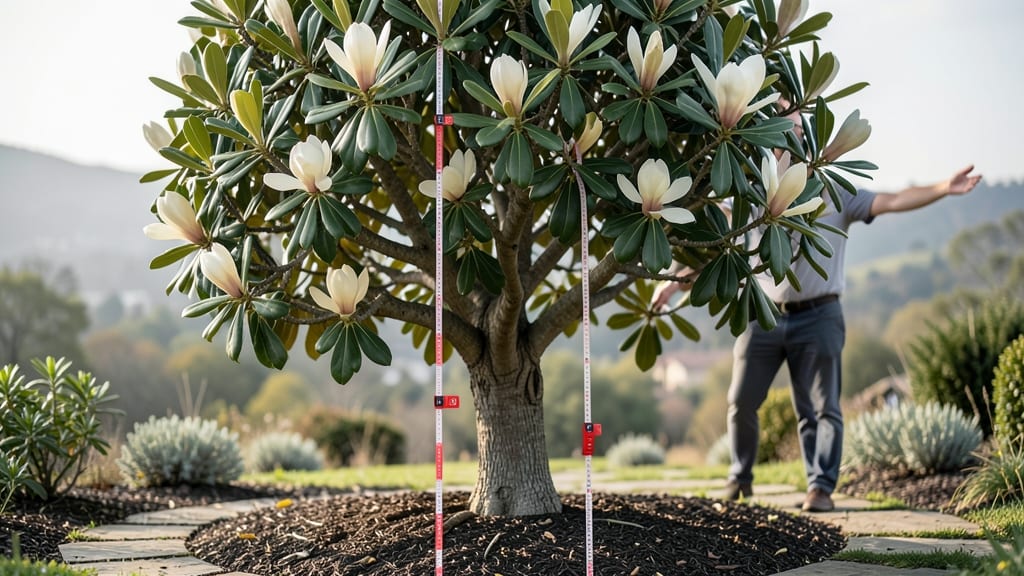
A magnolia tree grows to how tall does a magnolia tree grow? heights ranging from compact 8 feet to towering 120 feet, depending on the variety and growing conditions.
If you're dreaming of a majestic magnolia tree in your yard but unsure how much space it’ll need, you’re not alone—these trees range from compact shrubs to towering giants, depending on the variety.
From the Southern Magnolia, which can reach 60-80 feet in ideal conditions, to dwarf varieties like 'Little Gem' that stay under 15 feet, the right choice depends on your landscape and long-term vision.
Below, I’ll break down the exact height ranges for popular magnolia varieties, the factors that influence growth, and how to pick the perfect one for your space.


Magnolia tree height by variety: from dwarf to giant species
Magnolia trees are famous for their stunning blooms and lush foliage, but their size can vary dramatically—some stay small enough for city patios while others become towering giants that dominate landscapes.
If you're planning your garden, knowing the mature height of your chosen magnolia variety is crucial for spacing and long-term care. Let’s explore the height ranges of popular magnolia species, so you can pick the perfect fit for your yard.
From the Southern magnolia, which can reach heights of 80 feet, to the dwarf varieties like 'Little Gem' that max out at 15 feet, magnolias offer something for every space. Whether you have a sprawling estate or a cozy backyard, there’s a magnolia that will thrive—and fit!
Understanding these height differences helps you avoid overcrowding or planting too close to structures like houses or sidewalks.
| Variety | Mature Height (ft) | Spread (ft) | Growth Rate | Best For |
|---|---|---|---|---|
| Southern Magnolia (Magnolia grandiflora) | 60-80 ft | 25-40 ft | Slow to Moderate | Large yards, privacy screens |
| Saucer Magnolia (Magnolia × soulangeana) | 20-30 ft | 15-25 ft | Moderate | Medium yards, focal points |
| Star Magnolia (Magnolia stellata) | 15-20 ft | 10-15 ft | Slow | Small gardens, containers |
| Little Gem (Magnolia grandiflora 'Little Gem') | 8-15 ft | 4-6 ft | Slow | Urban yards, small spaces |
| Teddy Bear (Magnolia 'Teddy Bear') | 10-12 ft | 8-10 ft | Slow | Patios, foundation plantings |
| Sweetbay Magnolia (Magnolia virginiana) | 40-60 ft | 20-30 ft | Moderate | Wet soils, naturalized areas |
| Jane (Magnolia 'Jane') | 15-25 ft | 10-15 ft | Slow | Small to medium yards |
The Southern magnolia is the undisputed giant of the group, often reaching heights of 60 to 80 feet with a spread of 25 to 40 feet—ideal for creating a grand, evergreen statement in large properties. If you’re working with limited space, consider the Little Gem or Teddy Bear varieties
How to estimate your Magnolia tree’s future height
Estimating your magnolia tree’s future height isn’t just about the variety—it’s also about the growing conditions you provide. A Southern magnolia might reach 80 feet in ideal conditions, but the same tree could stay under 40 feet in poor soil or limited space.
Understanding these factors helps you plan your landscape with confidence.
Start by checking your USDA hardiness zone—magnolias thrive in zones 5-9, but colder climates slow growth significantly. Even within the same zone, microclimates (like urban heat islands) can push a tree to grow 20% faster than expected.
For example, a Star Magnolia in zone 7 might hit 25 feet in 15 years, while the same tree in zone 5 could take 25 years to reach half that height.
- 🌱 Soil Type: Well-draining, acidic soil (pH 5.0-6.5) boosts growth by 30%. Heavy clay soils stunt root development, keeping trees 10-20 feet shorter than their potential.
- ☀️ Sunlight Exposure: 6+ hours of sun maximizes height, but partial shade (3-6 hours) keeps growth steady. Full shade can reduce mature height by up to 50% in some varieties like Saucer Magnolia.
- ✂️ Pruning Techniques: Structural pruning in early spring shapes growth, while over-pruning can reduce height by 15-20 feet over a decade. Avoid topping—it encourages weak, sprawling branches.
- 🌡️ Climate Adaptations: Coastal areas with humid air support faster growth, while arid climates (like zone 8b) may limit height by 25%. Wind exposure can also stunt growth—plant near a windbreak for optimal results.
- 💧 Watering Consistency: Deep watering twice weekly in the first year accelerates early growth by 40%. After establishment, drought stress can reduce mature height by 10-15 feet in drought-sensitive varieties like Sweetbay Magnolia.
Don’t forget to account for root competition—planting near large trees or structures can restrict your magnolia’s growth by up to 30%.
If you’re working with limited space, consider dwarf varieties like 'Little Gem' (20-25 feet) or 'Teddy Bear' (6-8 feet), which are bred to stay compact even in ideal conditions.
To refine your estimate, track your tree’s growth annually. Measure height and canopy spread in early spring (before new growth) and compare it to the average growth rate for your variety.
For example, a Saucer Magnolia typically grows 12-18 inches per year—if yours grows only 6 inches, it’s a sign to adjust care (like improving soil drainage or increasing sunlight).
With the right conditions, your magnolia can reach its full potential—but even a 10-foot difference in height can change how it fits into your landscape. Use these factors to make an informed guess and give your tree the space it deserves to thrive. Happy planting! 🌿