
How To
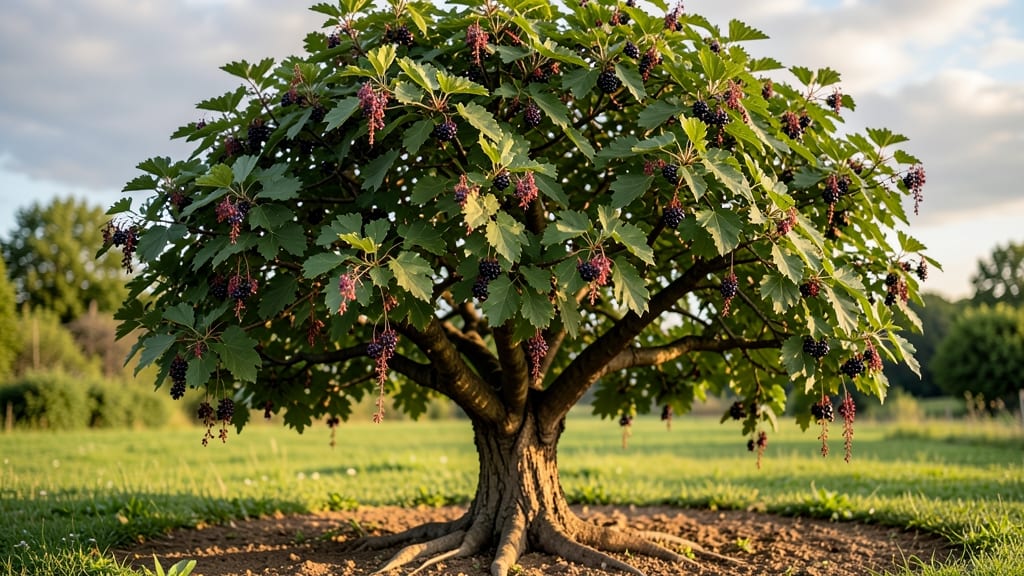
A mulberry tree can grow anywhere from 30 to 60 feet tall—taller than most homes—depending on the variety and growing conditions. 🌳
If you're dreaming of a fast-growing shade tree, mulberries are a top contender—but their sky-high potential comes with space planning challenges. Before planting, you’ll want to know which types stay compact and how to manage their height if they outgrow your yard.
Some varieties, like the Illinois Everbearing mulberry, max out around 15 to 25 feet, making them ideal for smaller spaces. Meanwhile, standard black mulberries (Morus nigra) can shoot up to 60 feet without intervention, which is why pruning and placement matter so much.
In this guide, I’ll break down exact height ranges by species, share pruning tips to control growth, and highlight the best compact varieties for urban gardens. You’ll leave here knowing exactly which mulberry fits your space—and how to keep it from becoming a neighborhood landmark.


Mulberry tree height by species: exact growth charts for common varieties
Mulberry trees are famous for their rapid growth and towering stature, but not all varieties reach the same sky-high heights. If you're planning to plant one, knowing the mature height of each mulberry species will help you choose the right fit for your yard.
Some varieties can grow taller than a three-story building, while others stay more manageable. Let's break down the exact heights by type so you can make an informed decision.
Before we dive into the numbers, it's important to note that mulberries thrive in full sun and well-draining soil. Their growth rate is impressive—some varieties can grow 3-6 feet per year in ideal conditions. However, their final height depends heavily on the species and pruning practices.
Below, you'll find a detailed comparison of the most popular mulberry varieties, including their mature heights, growth rates, and space requirements.
🌳 Comparison Table: Mulberry Tree Heights by Species
The black mulberry (Morus nigra) is the tallest variety, often reaching heights of 40-60 feet at maturity. This makes it ideal for large properties or parks where space isn't a concern. Its rapid growth rate of 3-5 feet per year means it can quickly provide shade and privacy.
However, if you're working with a small yard, this variety might not be the best choice unless you're prepared to invest in regular pruning.
For those with medium-sized yards, the white mulberry (Morus alba) and red mulberry (Morus rubra) are excellent options. Both varieties typically grow to 30-50 feet, but they offer slightly different benefits.
The white mulberry is often chosen for its silkworm farming potential, while the red mulberry is a native species that attracts wildlife and produces delicious fruit. Their growth rates of 2-4 feet per year are still impressive but more manageable than the black mulberry.
If you're looking for a compact mulberry tree that fits into smaller spaces, the Illinois Everbearing Mulberry is a fantastic choice. This variety tops out at 20-30 feet, making it perfect for urban gardens, small backyards, or even large containers.
Its slower growth rate of 1-3 feet per year also means it's easier to manage without aggressive pruning. Plus, it produces fruit twice a year, giving you a bountiful harvest with less height to contend with.
When planning where to plant your mulberry tree, consider not just its mature height but also its canopy spread. Most mulberries develop a spread of 20-40 feet, so you'll need to account for that in your yard layout.
For example, a black mulberry with a 50-foot height and 30-foot spread will require a significant amount of space. Planting it too close to your house or property line could lead to root conflicts or even legal issues.
Another key factor in managing mulberry height is understanding their growth habits. Mulberries are known for sending up root suckers from their extensive root system. These suckers can sprout up to 20 feet away from the main tree, creating a mulberry forest if left unchecked.
To keep your yard tidy, regularly inspect the area around your tree and remove any unwanted suckers. This will also help control the overall size of your mulberry tree.
If you're still unsure which mulberry variety is right for your space, consider starting with a smaller variety like the Illinois Everbearing. You can always plant a larger variety later if you have the space and desire.
Remember, mulberries are fast-growing and long-lived, so choosing the right one now will save you headaches—and pruning sessions—in the future.
No matter which mulberry you choose, these trees are a fantastic addition to any landscape. They provide shade, fruit, and wildlife benefits while adding beauty to your yard.
Just be sure to plan ahead for their height and spread, and you'll enjoy their many rewards for decades to come. 🌿
How to control mulberry tree height: pruning tips for small yards
If your mulberry tree is shooting up like a skyscraper, don't panic—pruning is your secret weapon. These trees can reach 30-60 feet without intervention, but with the right techniques, you can keep them at a manageable 10-20 feet for small yards.
The key is timing, tools, and understanding how mulberries respond to cuts.
First, grab your pruning shears and gloves—mulberry sap can stain! The best time to prune is late winter or early spring, just before new growth begins.
This gives your tree time to heal before summer's heat. Avoid pruning in fall, as it can stimulate late-season growth that won't harden off before winter.
Now, let's tackle the step-by-step pruning method that will transform your mulberry from a towering giant into a well-behaved backyard resident.
Step-by-Step Mulberry Tree Pruning Guide
- 1 Remove Dead or Diseased Wood: Start by cutting out any dead branches or those with fungal signs (like powdery mildew). Make clean cuts at the branch collar to prevent infection.
- 2 Thin the Canopy: Selectively remove 1/3 of the oldest branches to improve airflow and sunlight penetration. Focus on branches growing inward or crossing each other to maintain an open structure.
- 3 Control Height: To limit height, cut back the tallest branches by 1/3 of their length. Always cut just above a bud or side branch to encourage new growth in the right direction.
- 4 Shape the Tree: Use your pruners to create a natural rounded canopy. Avoid cutting back to stubs—always leave a small bump of branch to prevent disease entry points.
- 5 Remove Suckers: Mulberries are notorious for sending up root suckers that can turn your yard into a forest. Dig them out or cut them at the base—don't leave any stumps, or they'll regrow!
- 6 Sanitize Tools: After pruning, wipe your tools with rubbing alcohol to prevent spreading diseases between cuts. This is especially important for mulberries, which are prone to fungal issues.
For small yards, consider a pollarding technique—this involves cutting back branches to a main trunk or scaffold branch, which forces the tree to grow wider rather than taller. It's more aggressive but incredibly effective for height control. Just be prepared for a dramatic transformation in the first year!
Remember, mulberries respond well to pruning, so don't be afraid to get creative. With regular maintenance, you can enjoy the benefits of a fruit-bearing shade tree without sacrificing your yard space. And if you're patient, those juicy berries will make the effort worth it every summer!
🌱