
How To
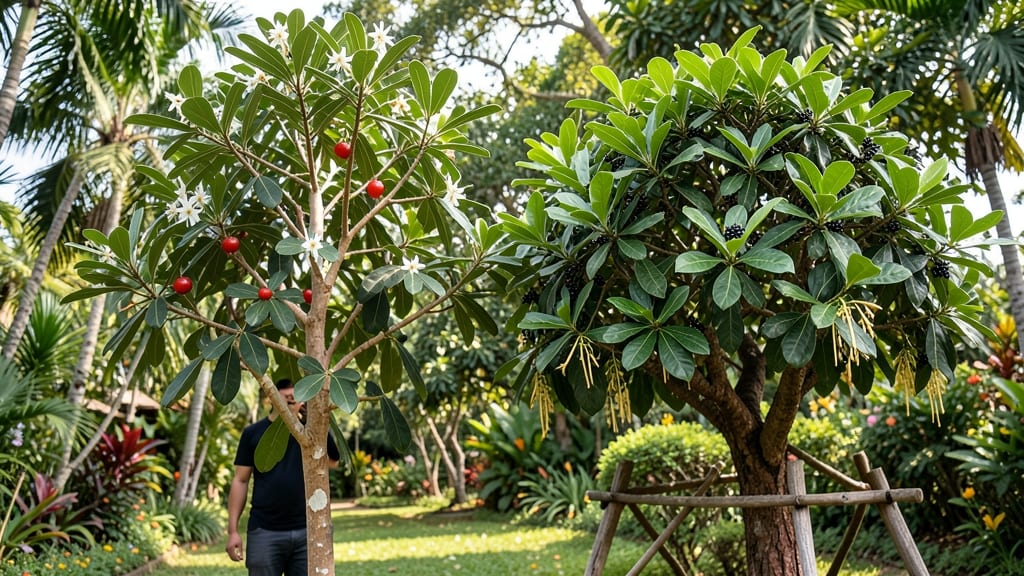
How tall does the cinnamon tree grow? It can reach heights between 10 and 40 feet, depending on the variety and growing conditions, making it a dramatic choice for both small yards and sprawling landscapes.
If you’ve ever dreamed of growing your own cinnamon tree, you might be surprised to learn that its height can vary dramatically—from a compact backyard shrub to a towering jungle giant.
The true cinnamon tree (Cinnamomum verum), prized for its spice, typically reaches 30 to 40 feet in tropical climates, while the more common cassia varieties (Cinnamomum cassia) often stay shorter, around 15 to 25 feet.
Here’s how to choose the right variety for your space, control its growth, and keep it thriving—whether you’re planting in a container or letting it stretch toward the sky.


Cinnamon tree height by variety: from dwarf to giant species
When I first started researching cinnamon trees, I was shocked to discover how much their mature heights can vary. The true cinnamon tree (Cinnamomum verum), native to Sri Lanka, typically reaches 40-60 feet in its native tropical climate.
Meanwhile, the more common cassia varieties (Cinnamomum cassia) grown in home gardens rarely exceed 30 feet. These differences aren't just about species—they're shaped by climate, soil quality, and pruning habits too.
The height of your cinnamon tree depends heavily on where you live. In tropical zones (USDA 10-12), these trees grow aggressively, while in cooler climates (USDA 8-9), they may stay shorter due to slower growth cycles.
Even within the same region, ornamental varieties like 'Cinnamomum camphora' often remain more compact than their wild counterparts. Understanding these variations helps you choose the right variety for your space.
Here's a quick overview of what to expect from different cinnamon tree varieties in terms of mature height:
| Variety | Mature Height | Growth Rate | Climate Suitability |
|---|---|---|---|
| Cinnamomum verum (True Cinnamon) | 40-60 ft | Slow to moderate | Tropical only (USDA 10-12) |
| Cinnamomum cassia (Chinese Cassia) | 20-30 ft | Moderate | Temperate to tropical (USDA 7-11) |
| Cinnamomum camphora (Camphor Tree) | 50-70 ft (but often pruned to 20-30 ft) | Fast | Warm climates (USDA 9-11) |
| Cinnamomum burmannii (Indonesian Cassia) | 30-50 ft | Moderate | Tropical (USDA 10-12) |
| Dwarf ornamental varieties (e.g., 'Goudotii') | 10-15 ft | Slow | Temperate (USDA 7-10) |
The true cinnamon tree (Cinnamomum verum) is the tallest variety, often reaching 60 feet in its native Sri Lankan forests. This makes it unsuitable for most home gardens unless you have a large estate.
The Chinese cassia (Cinnamomum cassia), however, is far more manageable, typically staying between 20-30 feet in ideal conditions. This variety is what you'll most commonly find in nurseries and is perfect for large backyard gardens.
If you're looking for a compact cinnamon tree, consider ornamental varieties like Cinnamomum goudotii, which rarely exceeds 15 feet. These dwarf varieties grow at a much slower rate, making them ideal for container growing or small urban gardens.
The trade-off is that they produce less cinnamon bark, but their aromatic leaves make them excellent fragrant hedges.
Climate plays a crucial role in determining how tall your cinnamon tree will grow. In tropical regions, these trees thrive and can reach their maximum heights quickly. But in cooler climates (USDA zones 7-9), growth slows significantly.
For example, a Cinnamomum cassia in Florida might reach 30 feet, while the same variety in Southern California (USDA 9b) could stay under 20 feet due to cooler winters.
Another factor affecting height is soil quality and drainage. Cinnamon trees prefer well-draining, slightly acidic soil (pH 5.0-6.5). Poor drainage or compacted soil can stunt root development, leading to slower growth.
I've seen cassia trees in containers grow only 8-10 feet tall when given proper care, while identical trees planted in rich, loamy garden soil reached 25 feet within a decade.
Pruning habits also significantly impact height. Regular structural pruning can keep even large varieties like Cinnamomum camphora under 20 feet. I recommend pruning in late winter or early spring before new growth begins.
This not only controls height but also encourages denser foliage and better bark production—the part of the tree used for cinnamon.
For home gardeners, the Chinese cassia (Cinnamomum cassia) is the most practical choice. It's hardy, fast-growing, and stays within 20-30 feet in most climates. If you're in a small space, look for dwarf ornamental varieties or consider growing it in a large container (20+ gallons).
With proper care, you can enjoy the fragrant leaves and cinnamon bark without sacrificing your garden layout.
Remember, the height of your cinnamon tree isn't set in stone. With consistent pruning and proper care, even the tallest varieties can be managed to fit your space.
Start with the right variety, provide optimal growing conditions, and don't be afraid to prune—your cinnamon tree will thank you with years of aromatic beauty and potential harvests.
How to control cinnamon tree height in home gardens
Growing a cinnamon tree in your backyard doesn’t mean you have to give up space for a towering jungle giant. With the right techniques, you can keep your tree at a manageable height of 6-10 feet—perfect for small gardens or containers.
The key lies in pruning, variety selection, and seasonal care adjustments tailored to your climate.
First, understand that Cinnamomum verum (true cinnamon) and Cinnamomum cassia (cassia) grow at different rates. Cassia varieties, like Saigon cinnamon, tend to grow faster and taller, while some ornamental types stay more compact. Choosing the right variety is your first step toward controlling height before it becomes a problem.
For height control, pruning is your best tool. The best time to prune is late winter or early spring, just before new growth begins. Use clean, sharp pruning shears to make cuts just above a leaf node or bud.
Remove 1/3 of the tree’s height in one session if needed, but avoid cutting more than 25% of the foliage at once to prevent stress.
If space is extremely limited, consider growing your cinnamon tree in a large container (at least 24 inches in diameter). Container growth naturally restricts root expansion, which slows height growth.
Use a well-draining potting mix with perlite or sand to prevent root rot, and repot every 2-3 years to refresh the soil and accommodate root growth.
Seasonal adjustments also play a critical role. In summer, provide consistent moisture but avoid overwatering, which can lead to weak, leggy growth. During fall and winter, reduce watering and fertilizing to encourage dormancy, which helps control rapid height spikes.
A light layer of mulch around the base will also regulate soil temperature and moisture.
Finally, monitor your tree’s growth throughout the year. If you notice sprouts growing taller than desired, prune them back immediately. With patience and consistent care, your cinnamon tree can stay a manageable size while still providing fragrant leaves and potential harvests—even in small spaces.