
Planting
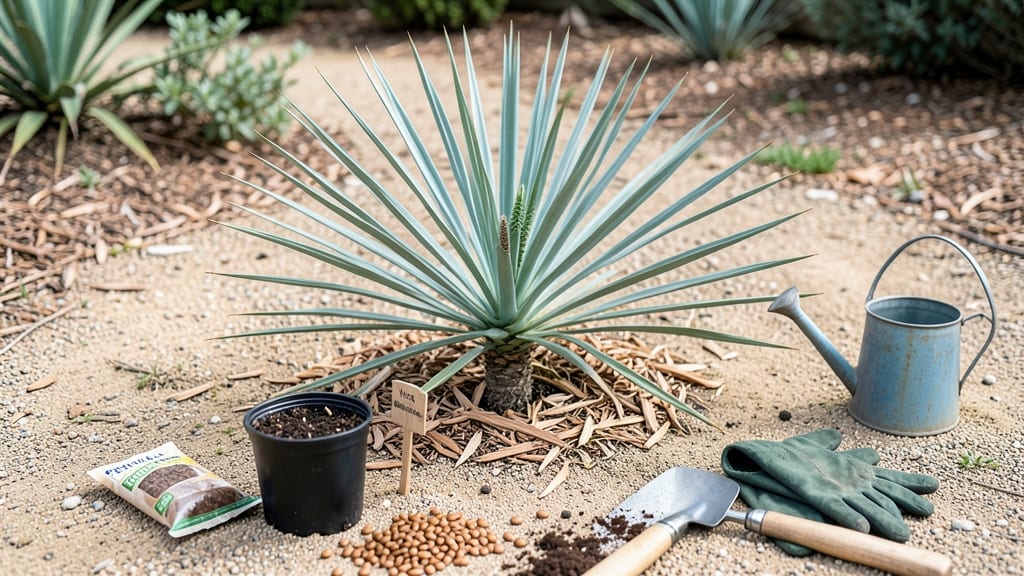
Planting Joshua tree seeds requires patience and a little desert magic. 🌵 These iconic Southwest plants start with a cold stratification trick that mimics their natural growth cycle—something I learned after my first batch sprouted in just 3 weeks instead of never.
The secret lies in replicating the harsh winters they endure in the wild. You’ll need a mix of sandy soil and perlite, a freezer, and a sunny windowsill or grow light. The process isn’t complicated, but it does demand consistency—especially with watering, which must stay just damp, never soggy.
By spring, you’ll watch tiny green shoots push through the soil, though full-size trees take decades. The reward? A living piece of the Mojave Desert right in your yard, thriving where most plants would wilt. Best suited for USDA zones 9-11, but container growing works in cooler climates.
Here’s how to get those seeds sprouting without the guesswork.
📚 In This Guide
- What you need
- Instructions
- Tips and common mistakes
- Wrapping up and next steps
What you need
- ● Joshua Tree Seeds: Fresh or stored seeds (preferably from a reputable supplier or wild-harvested with care—never collect from protected lands). Aim for 5–10 seeds per attempt.
- ● Cold Stratification Supplies: Plastic bag or airtight container (e.g., ziplock bag with a tiny hole for airflow).
- ● Moistened paper towels or vermiculite (enough to lightly wrap seeds—~2 tbsp per 5 seeds).
- ● Refrigerator (set to 35–40°F (2–4°C) for stratification).
- ● Germination Setup: Seed-starting tray or small pots (with drainage holes; 2–3 inch diameter per seedling).
- ● Well-draining cactus/succulent mix (or a blend of 50% potting soil + 50% perlite/pumice).
- ● Spray bottle (for gentle watering).
- ● Grow Lights or Sunny Window: A grow light (LED full-spectrum, 12+ hours/day) or a south-facing window (Joshua Trees love light!).
- ○ Heat Mat (Optional but Helpful): A seedling heat mat (70–75°F/21–24°C) can speed up germination.
- ● Humidity Dome: A clear plastic lid or mini greenhouse to retain moisture during early growth.
- ● pH Test Kit: Ensure your soil is slightly acidic to neutral (pH 6.0–7.0—Joshua Trees aren’t picky but thrive in this range).
- ● Fertilizer: A balanced, diluted fertilizer (e.g., 5-5-5) for young seedlings (use half-strength every 4–6 weeks).
- ● Label & Marker: To track planting dates and seed sources (trust us, you’ll forget!).
Step-by-step instructions for planting Joshua tree seeds
Here's the method I've used to successfully grow these desert icons from scratch—it requires patience but delivers incredible rewards.
🌱 Step 1: Harvest and Prepare Seeds
Collect ripe Joshua tree seeds from healthy fruit pods in late summer or early fall. The pods should be brown and dry, splitting open naturally to reveal the seeds inside. Handle them carefully—they're small and brittle, about the size of a pea. I like to store them in a paper envelope in a cool, dry place until I'm ready to plant, but they need to be fresh for best results.
Before planting, give the seeds a quick rinse under lukewarm water to remove any remaining pulp. This prevents mold from forming during the cold stratification process. Don't soak them—just a gentle swish and let them air dry completely on a paper towel overnight. You'll see them darken slightly as they prepare for their dormancy period.
❄️ Step 2: Cold Stratify for 60-90 Days
This is the critical step that mimics the natural winter conditions Joshua trees experience in their desert habitat. Place the dry seeds in a sealed plastic bag with a small amount of slightly damp sand or perlite (just enough to surround them without compacting). I use a ratio of about 1 part seeds to 3 parts sand—this keeps airflow while maintaining moisture.
Store the bag in your refrigerator's crisper drawer where temperatures stay consistently between 35-45°F. Check them every two weeks by gently squeezing the bag—you want the sand to feel barely damp, like a wrung-out sponge. If it feels dry, add a tiny spray of water and reseal. After 60-90 days, the seeds will show signs of sprouting when you open the bag.
🪴 Step 3: Plant in Well-Draining Desert Mix
Fill small pots (about 3-4 inches deep) with a cactus/succulent mix that contains 50% sand or pumice for excellent drainage. Joshua trees despise soggy roots, so I always add a handful of perlite to the mix to prevent compaction. Moisten the soil lightly before planting—it should feel like a damp sponge when squeezed, not dripping wet.
Plant the stratified seeds about ¼ inch deep, spacing them 1 inch apart in the pot. Gently press the soil around them to ensure good contact but don't pack it down. Place the pots in a warm, bright location where temperatures stay between 70-85°F during the day. You'll see the first signs of germination in 2-4 weeks—tiny green sprouts pushing through the soil.
☀️ Step 4: Provide Bright, Indirect Light
Joshua tree seedlings need plenty of light to grow strong, but direct midday sun can scorch their delicate leaves. Start with bright, indirect light for the first two weeks, then gradually introduce them to 3-4 hours of morning sun daily. I place mine on an east-facing windowsill where they get gentle sunlight without the intense heat of south-facing windows.
Watch for signs of stress—if the leaves turn yellow or the seedlings stretch toward the light (a condition called etiolation), they need more light. Rotate the pots a quarter turn weekly so they grow evenly. Once they've developed their first set of true leaves (not the initial seed leaves), you can increase their sun exposure to 6 hours daily.
💧 Step 5: Water Sparingly and Gradually Increase Sun
The key to successful Joshua tree seedling care is watering patience. After planting, keep the soil lightly moist but never soggy. I water when the top ½ inch of soil feels dry to the touch, which is about every 7-10 days for me. Once the seedlings are established (after about 3 months), reduce watering to every 2-3 weeks—these are desert plants, after all.
After 6 months, when the seedlings are about 4-6 inches tall, you can begin hardening them off for outdoor planting. Place them outside in a sheltered spot for 1-2 hours daily, gradually increasing their time outdoors over 2-3 weeks. This slow transition prevents shock and helps them adapt to the desert environment.
Tips & tricks for planting Joshua tree seeds
These simple yet crucial tips will help you maximize your chances of success with these desert natives.
Timing is Everything: The 60-90 day cold stratification period is non-negotiable for breaking Joshua tree seed dormancy. I've found that starting in early winter (around January) gives you the perfect timeline for spring planting. Mark your calendar when you begin stratification so you can track progress—you'll notice the first sprouts emerging around day 60, though some may take the full 90 days.
Moisture Management: Keeping the sand mixture "barely damp" during stratification is more important than you might think. Use a spray bottle to add water rather than pouring—this prevents clumping and maintains proper airflow. I place the bag in a zip-top container with a tiny air hole to prevent condensation buildup, which can lead to mold. The sand should never feel wet, just slightly moist like a wrung-out sponge.
Light Transition Strategy: When moving seedlings from bright indirect light to morning sun, I recommend a gradual transition over 10-14 days rather than the 2-week guideline. Start with just 1 hour of morning sun on day one, then add 30 minutes each subsequent day. This prevents sunburn on delicate new leaves while still allowing them to acclimate to stronger light conditions. Watch for slight reddening on leaves—this is their way of telling you they need more time to adjust.
Hardening Off: The 1-2 hour daily outdoor acclimation period is where most beginners go wrong. I've learned that starting with just 30 minutes on day one works better for sensitive seedlings. Place them in partial shade during their first outdoor sessions, then gradually move to full sun. The key is to watch their leaves—they should look slightly wilted but perk up after returning indoors. If they stay wilted, they're not ready for more time outside yet.
Pro Tips for Plant Joshua Tree Seeds
- These simple yet crucial tips will help you maximize your chances of success with these desert natives.
- Timing is Everything: The 60-90 day cold stratification period is non-negotiable for breaking Joshua tree seed dormancy.
- Moisture Management: Keeping the sand mixture "barely damp" during stratification is more important than you might think.
Frequently asked questions
Got questions about growing Joshua tree seeds? You’re not alone—this desert native can be tricky! Here are answers to the most common queries to help you succeed.
How long does cold stratification take for Joshua tree seeds?
Cold stratification typically requires 4–6 weeks in the fridge (34–40°F) to mimic winter conditions. Place seeds in a damp paper towel or peat moss, then check for sprouting signs like a tiny root or shoot. Patience is key—rushing this step can lead to poor germination.
Can I stratify Joshua tree seeds outside instead of in the fridge?
Yes! If you live in a cold winter climate (Zone 7 and below), you can bury seeds 1–2 inches deep in a protected outdoor spot (like a shaded garden bed) from late fall to early spring. Just ensure they’re in well-draining soil and covered with mulch to protect from extreme temps.
Why aren’t my Joshua tree seeds sprouting after stratification?
Several factors could be at play: old seeds (viability drops after 2–3 years), improper moisture (too wet = rot; too dry = dormancy), or warmth too soon. Double-check your stratification setup—seeds need consistent moisture and cold. If they’re still dormant, try a second stratification cycle or test a few in warm water to see if they’re viable.
When is the best time to plant Joshua tree seeds outdoors?
The ideal window is late winter to early spring (after last frost) when soil temps are warming but still cool (50–60°F). This aligns with the plant’s natural growth cycle. If you’re in a hot desert climate, plant in fall to avoid summer heat stress. Young seedlings thrive with partial shade for their first year.
What’s a good alternative if Joshua tree seeds won’t germinate?
If germination fails, consider buying a young nursery-grown Joshua tree (1–3 feet tall) for a faster, more reliable start. Alternatively, try desert-adapted succulents like Yucca or Agave, which share similar care needs but are easier to propagate. For a native touch, Palo Verde or Creosote Bush seeds are also beginner-friendly!
Wrapping up and next steps
Growing a Joshua tree from seed is a rewarding journey that blends patience with desert magic! 🌵✨ Remember, the key lies in cold stratification—mimicking nature’s winter chill—and providing consistent care as your seedling takes root.
Whether you’re a desert enthusiast or just love unique plants, your efforts will soon bloom into a stunning, slow-growing masterpiece.
Ready to watch your tiny seed transform? Start by gathering your supplies and follow the steps above—your future Joshua tree is waiting! 🌱💚