
Pruning
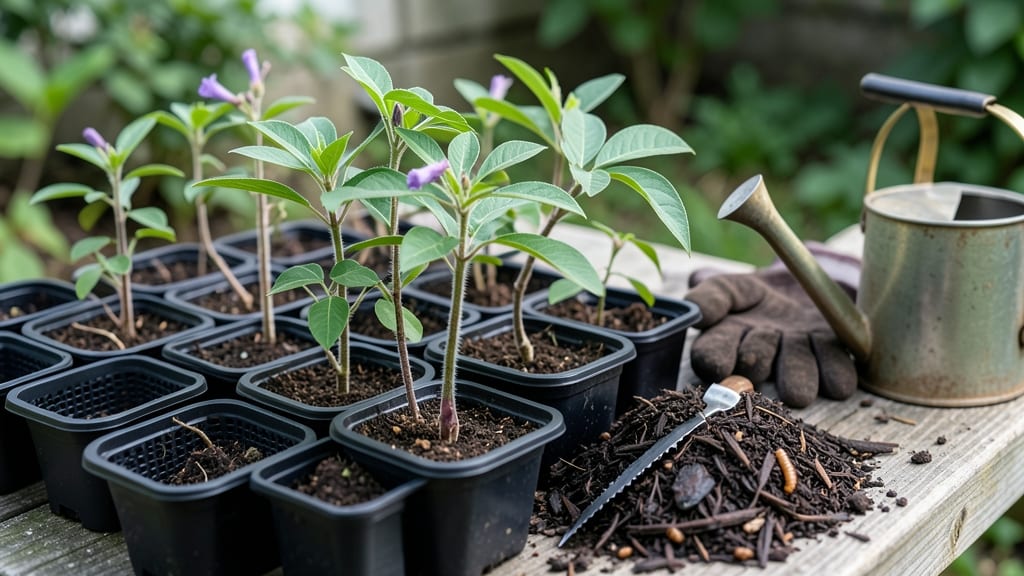
Cold stratification cuts your jacaranda tree seedlings' wait time from months to weeks. 🌱 I’ve struggled with slow germination until I discovered the right chilling trick—now my seeds sprout reliably in under 30 days instead of the usual 60-90.
The secret lies in mimicking nature’s timing: jacaranda seeds need a winter-like rest before they’ll wake up. You’ll need a moist paper towel, a sealed plastic bag, and your fridge’s coldest shelf—not complicated, but critical for breaking dormancy. Most gardeners skip this step and end up waiting twice as long.
Once sprouted, those first pale green leaves emerge like clockwork, and you’ll be transplanting sturdy seedlings into pots by early spring. The payoff? A head start on growing a tree that’ll shower your yard in vibrant purple blooms for decades.
This method works year-round, but timing matters: start stratification in late fall for spring planting, or late winter for summer growth. Let’s get those seeds sprouting faster than ever!
📚 In This Guide
- What you need
- Instructions
- Tips and common mistakes
- Wrapping up and next steps
What you need
- ● Jacaranda seeds: 10–20 fresh, plump seeds (harvested from ripe pods, ideally within 6 months).
- ● Cold stratification setup: 1 small plastic bag or breathable seedling tray with drainage holes.
- ● 1 cup coarse sand or perlite (sterilized, 1–2 mm particle size).
- ● 1 cup peat moss or coco coir (moisture-retentive but well-draining).
- ● Refrigerator: A standard fridge (34–40°F / 1–4°C) with a humidity-controlled drawer or crisper.
- ● Spray bottle: With clean water (for misting).
- ● Planting pots: 3–4 inch (7–10 cm) biodegradable pots or seedling trays (for post-stratification).
- ● Potting mix: 50% cactus/succulent mix + 50% perlite (well-draining!).
- ● Required: Small hand trowel or spoon (for planting).
- ● Plastic wrap or damp paper towels (to maintain humidity).
- ● Label markers (to track seedling progress).
- ○ Optional (but helpful!): Grow lights (12–14 hours/day for seedlings).
- ● Heating mat (70–75°F / 21–24°C for faster germination).
- ● Humidity dome (to prevent drying).
- ● Seedling heat mat (for post-stratification warmth).
- ● Patience! Cold stratification takes 6–8 weeks—stay consistent.
- ● Access to a shady, cool spot (like a garage or basement) if fridge space is tight.
- ● Basic gardening knowledge (or willingness to learn! 🌟).
Step-by-step instructions for germinating jacaranda tree seedlings
Cold stratification is the secret weapon for breaking jacaranda seeds' stubborn dormancy—here's how to do it right.
🌱 Step 1: Soak Seeds to Soften the Hard Coat
Jacaranda seeds have an extremely tough outer shell that blocks water absorption. To soften it, place the seeds in a breathable cloth bag and soak in lukewarm water for 48 hours. I like to use a mesh produce bag with a twist tie—it lets water circulate while keeping seeds contained. Change the water every 12 hours to prevent stagnation, which can introduce mold.
You'll know the soaking worked when the seed coat looks slightly wrinkled and the seeds feel noticeably lighter. If they still feel rock-hard after 48 hours, extend the soak another 12 hours. Never use hot water—it can cook the seed's internal moisture balance. After soaking, drain the seeds thoroughly and let them air-dry for 1 hour before moving to stratification.
❄️ Step 2: Cold Stratify for 6-8 Weeks
Place the soaked seeds in a sealed plastic bag with a moistened paper towel—just damp enough to feel slightly damp but not dripping. I fold the towel into a square, place the seeds in the center, then fold it over like a burrito. The goal is to keep them consistently moist without letting them sit in standing water. Seal the bag and place it in your refrigerator's crisp drawer (around 35-40°F).
Check the seeds every 2 weeks—if the towel feels dry, mist it lightly with water and reseal. You'll see nothing happening for the first 4 weeks, but don't panic. The stratification process mimics winter conditions, breaking dormancy at the cellular level. After 6-8 weeks, the seeds should feel slightly softer and may even show a tiny root when you gently press them.
🪴 Step 3: Plant in Warm, Well-Draining Soil
Fill a 4-inch diameter pot with a mix of 50% potting soil and 50% perlite or coarse sand—jacarandas hate soggy roots. Plant the stratified seeds ½ inch deep, spacing them 2 inches apart to prevent overcrowding. I use a pencil to make small holes—it gives you better control than just dropping seeds on top. Gently firm the soil around each seed to ensure good contact.
Water lightly from the bottom by placing the pot in a shallow tray of water for 10 minutes. This prevents seed displacement and ensures even moisture without over-saturating. Place the pot in a warm spot (around 70-75°F) with bright, indirect light. A seedling heat mat helps maintain consistent warmth, which is critical for germination. You should see sprouts within 2-4 weeks—look for a tiny green shoot breaking through the soil surface.
☀️ Step 4: Transplant to Larger Containers When Sprouts Appear
Once seedlings emerge, move them to individual 6-inch pots with the same well-draining mix. Handle the seedlings carefully—they're delicate at this stage. I use a small spoon to scoop each seedling out of the original pot, being sure to keep as much root structure intact as possible. Transplant them to their new pots at the same depth they were growing before.
After transplanting, water gently to settle the soil around the roots, then place the pots under grow lights for 14-16 hours daily. Jacaranda seedlings need strong light to prevent leggy growth. You'll know they're thriving when they develop their first set of true leaves (the second set after the initial seed leaves). At this stage, they're ready for gradual acclimation to outdoor conditions, but only after all frost risk has passed.
Tips & tricks for perfect jacaranda tree seedling germination
Here's what nobody tells you about breaking jacaranda seeds' stubborn dormancy—these tricks cut weeks off your waiting game.
The Soak Test: After your 48-hour soak, gently press a seed between your fingers. If it still feels like a rock, extend the soak by another 12 hours—but never exceed 60 hours total. Hot water is the enemy here; lukewarm (around 90°F) is ideal for softening without damaging the seed's internal structure. I've learned this the hard way after watching seeds crack prematurely from overheating.
Stratification Hack: The 6-8 week cold period is non-negotiable, but you can speed up the process slightly by using a seedling heat mat set to 65°F during the day while keeping them in the fridge at night. This mimics natural temperature fluctuations that trigger germination. Place a small thermometer in the bag to monitor temps—consistent 40°F is key, but anything between 35-45°F works.
Planting Precision: When planting your stratified seeds at ½-inch depth, use a pencil to make holes—this gives you perfect spacing and prevents crushing the delicate seeds. The 50/50 soil mix is critical; jacarandas despise soggy roots, so perlite or coarse sand must be included. After planting, tap the pot gently on the counter to settle soil around seeds without compacting it too tightly.
Lighting Strategy: Once sprouts appear, those 14-16 hours of grow light are non-negotiable for preventing leggy seedlings. I use LED grow lights positioned 6 inches above the pots—they're energy-efficient and provide the full spectrum needed. If you notice seedlings stretching toward light, raise the lights immediately. True leaves (the second set) will tell you everything's on track for healthy growth.
Pro Tips for Jacaranda Tree Seedlings
- Here's what nobody tells you about breaking jacaranda seeds' stubborn dormancy—these tricks cut weeks off your waiting game.
- The Soak Test: After your 48-hour soak, gently press a seed between your fingers.
- Stratification Hack: The 6-8 week cold period is non-negotiable, but you can speed up the process slightly by using a seedling heat mat set to 65°F during the day while keeping them in the fridge at night.
Frequently asked questions
Got questions about growing jacaranda tree seedlings? You’re in the right place! Here are answers to the most common queries—from timing tricks to troubleshooting tips.
How long does it take for jacaranda seeds to germinate with cold stratification?
With cold stratification, jacaranda seeds typically germinate in 4–12 weeks. The process mimics winter conditions, breaking seed dormancy faster than room-temperature methods. Patience is key—some seeds may take longer, especially if stratification isn’t consistent (e.g., below 40°F for 6–8 weeks). Check moisture levels weekly to avoid drying out.
Can I skip cold stratification and still get jacaranda seedlings to grow?
Yes, but germination rates drop dramatically. Without stratification, expect only 10–30% success compared to 60–90% with cold treatment. If you’re impatient, try soaking seeds in warm water for 24 hours before planting, but combine this with a warm/cold cycle (e.g., 3 days warm, 3 days fridge) for better results.
What’s the best soil mix for jacaranda seedlings after germination?
Use a well-draining, slightly acidic mix (pH 6.0–7.0) with:
- 50% cactus/succulent soil (for aeration)
- 30% perlite or coarse sand (prevents root rot)
- 20% compost or peat moss (for nutrients)
Why are my jacaranda seedlings wilting or turning yellow?
Common culprits:
- Overwatering: Jacarandas drought-tolerant—let soil dry completely between waterings. Yellow leaves = root rot.
- Underwatering: Droopy leaves? Water deeply until it drains from the pot’s bottom.
- Pests: Check for aphids or spider mites (common on new growth). Spray with neem oil if needed.
- Light stress: Seedlings need bright, indirect light. South-facing windows or grow lights work best.
How do I transplant jacaranda seedlings outdoors without shock?
Wait until all frost risk has passed (spring, after last frost date) and:
- Hardening off: Gradually expose seedlings to outdoor conditions over 7–10 days (start with 2 hours/day).
- Plant at the same depth as their nursery pot to avoid stem rot.
- Mulch with wood chips (2–3 inches) to retain moisture but keep mulch away from the trunk.
- Water deeply once after transplanting, then reduce frequency—jacarandas thrive on neglect!
Wrapping up and next steps
Growing jacaranda tree seedlings from scratch is a rewarding journey—especially when you unlock the secrets of cold stratification to supercharge germination! 🌱 With the right materials, patience, and a few pro tips, you’ll be well on your way to nurturing vibrant, healthy saplings that’ll one day dazzle your landscape with their stunning purple blooms.
Ready to take the next step? Start small: grab those seeds, set up your stratification station, and watch your green thumb grow! Whether you’re a seasoned gardener or a curious beginner, every seedling begins with a single step—so roll up your sleeves and let nature do the rest.
Happy planting! 🌟