
Blooming
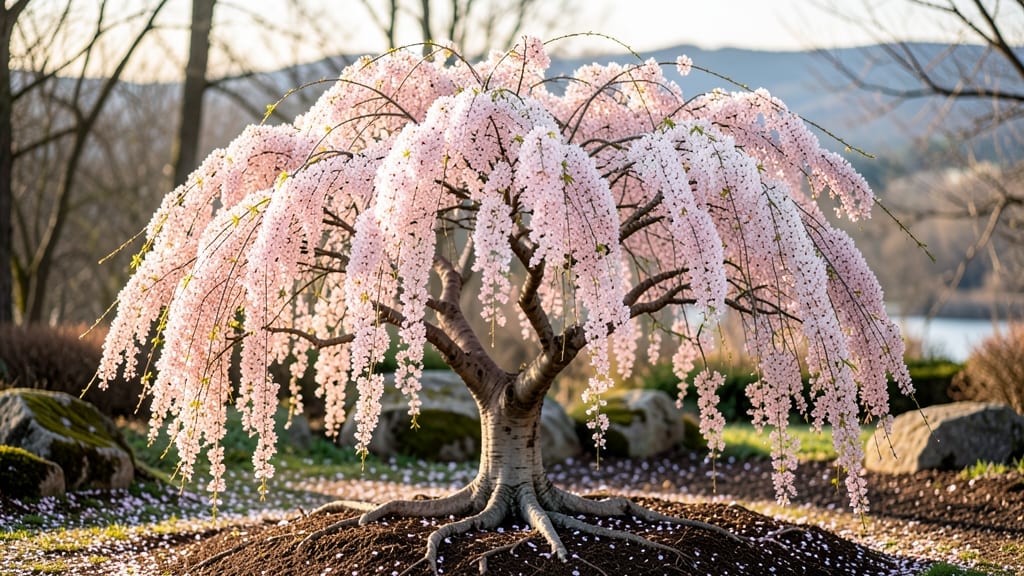
Planting a Japanese cherry blossom tree nearby will turn your yard into a springtime dream. 🌸 The delicate pink clouds of blooms create a magical focal point that neighbors will envy—and the best part is, you don’t need a sprawling estate to make it work.
I’ve placed mine near my patio, where the scent and shade transform the space from ordinary to extraordinary.
These trees thrive in full sun but adapt well to partial shade, making them perfect for yards with mature trees or urban settings. They need well-draining soil, so amending clay or sandy soil with compost helps.
Space is key: most varieties need 15-20 feet of width at maturity, so plan ahead for their eventual size.
Imagine waking to petals drifting like snow in spring, followed by lush green foliage in summer. Pair yours with hostas or azaleas for year-round interest, or plant under it for shade-loving perennials. The tree’s graceful branches also frame patios beautifully, creating a serene outdoor living space.
For urban areas, consider dwarf varieties like ‘Okame’ or ‘Shirotae’ that stay smaller. Just avoid planting near sidewalks or driveways—their roots spread widely, and falling branches can be a hazard. With the right spot, this tree becomes the heart of your outdoor sanctuary.
📚 In This Guide
- What you need
- Instructions
- Tips and common mistakes
- Wrapping up and next steps
What you need
- ● Japanese cherry blossom tree: Choose a variety suited to your climate (e.g., Prunus serrulata or Prunus × yedoensis). Opt for a 1- to 3-gallon container-grown tree for easier planting.
- ● Shovel or digging spade: A 12- to 18-inch wide shovel for digging the planting hole.
- ● Garden gloves: A pair of durable, breathable gloves (e.g., nitrile-coated) to protect your hands.
- ● Mulch: 3-4 inches of organic mulch (e.g., wood chips or shredded bark) to retain moisture and suppress weeds.
- ● Well-draining soil: Amend heavy clay soil with compost or peat moss to improve aeration.
- ● Watering can or hose: A gallon-sized watering can or a hose with a gentle spray nozzle for post-planting care.
- ● Tree stakes & ties: For young trees in windy areas (use 2-3 stakes and soft fabric ties to avoid damaging the trunk).
- ● Fertilizer: A balanced, slow-release fertilizer (e.g., 10-10-10) to boost early growth.
- ● Pruning shears: Bypass pruners (for clean cuts) if you plan to shape the tree in its first year.
- ● Soil pH tester: To ensure your soil’s pH is 6.0-7.0 (cherry blossoms prefer slightly acidic to neutral soil).
- ● Drip irrigation system: For automated watering, especially during dry spells.
How to select and care for a Japanese cherry blossom tree
Here’s how to bring that dreamy springtime magic to your yard with a stunning, low-maintenance tree.
🌱 Step 1: Choose the Right Variety for Your Climate and Space
Japanese cherry blossoms (Prunus serrulata) thrive in USDA Zones 5-8, so check your local hardiness zone before selecting. Dwarf varieties like ‘Kanzan’ or ‘Shirotae’ work beautifully in small yards, while standard trees like ‘Somei-Yoshino’ need 20-30 feet of space to mature. I always look for grafted trees—these bloom reliably year after year without the uncertainty of seed-grown plants.
Consider your yard’s sunlight too. Most cherry blossoms need full sun (6+ hours daily) for vibrant blooms, but a few varieties like ‘Taihaku’ tolerate partial shade. If your yard is windy, opt for a smaller cultivar—strong winds can damage delicate branches during blooming season.
☀️ Step 2: Plant in the Right Season and Prepare the Soil
Plant your cherry blossom in late fall or early spring when the tree is dormant. Dig a hole twice as wide as the root ball but no deeper—this encourages roots to spread horizontally rather than settling too low. Mix the native soil with compost (about 10% of the hole’s volume) to improve drainage and fertility.
Japanese cherry blossoms prefer slightly acidic to neutral soil (pH 5.5-7.0). If your soil is heavy clay, amend it with sand or perlite to prevent root rot. Water the hole deeply before planting, then place the tree so the top of the root ball sits 1-2 inches above ground level—this prevents water from pooling around the trunk.
💧 Step 3: Water Deeply and Mulch to Retain Moisture
Water your newly planted tree deeply every 3-4 days for the first month, then taper to once a week once established. The goal is to keep the soil evenly moist but not soggy—cherry blossoms hate wet feet. You’ll know you’re doing it right when the top 2-3 inches of soil feel damp but not saturated.
Apply 2-3 inches of mulch (wood chips or bark) around the base, keeping it 6 inches away from the trunk to prevent rot. Mulch locks in moisture and regulates soil temperature, which is especially helpful in hot summers. Replenish mulch annually as it breaks down.
✂️ Step 4: Prune for Shape and Health in Late Winter
Prune your cherry blossom just before buds swell in late winter (February-March). Remove dead, crossing, or weak branches first, then thin out crowded areas to improve airflow. I never cut more than 25% of the tree’s foliage in one season—this keeps the tree strong and encourages robust blooming.
Shape the tree by guiding branches outward to create an open canopy. Avoid heavy pruning in fall—it stimulates new growth that won’t harden off before winter. If you notice suckers (shoots growing from the base), remove them immediately—they drain energy from the main tree.
🌿 Step 5: Fertilize and Monitor for Pests Annually
Feed your cherry blossom in early spring with a balanced, slow-release fertilizer (10-10-10). Follow package instructions, but I’ve found half the recommended dose is often enough—over-fertilizing leads to excessive leaf growth at the expense of flowers. Water deeply after applying to help nutrients soak into the soil.
Watch for aphids, scale, or borers—common pests that can stress the tree. If you spot sticky residue on leaves (aphids) or tiny bumps on branches (scale), treat with neem oil or insecticidal soap as soon as you see signs. Healthy trees rarely have serious issues, but early intervention keeps them blooming beautifully for decades.
Tips & tricks for perfect Japanese cherry blossom tree care
Here's what nobody tells you about keeping your blossom tree thriving for years to come.
Variety Selection: When choosing between dwarf varieties like 'Kanzan' and standard trees like 'Somei-Yoshino', consider your yard's mature tree height limits. I always measure the space where the tree will stand and add 10 feet to the mature height—this ensures branches won't rub against structures or block walkways. For urban areas, dwarf varieties save space while still delivering that stunning spring display.
Planting Depth: The 1-2 inch elevation above ground level for the root ball is critical—it prevents water from pooling around the trunk, which can cause rot. I use a level to check the depth after planting, and always verify the graft union (the bump where the tree was grafted) sits above the soil line. This ensures the tree grows true to its variety.
Watering Wisdom: Those first 30 days are crucial for root establishment. I set a timer to remind me every 3-4 days, and use a moisture meter to check soil dampness. The top 2-3 inches should feel like a wrung-out sponge—not bone dry, not soggy. Overwatering is the #1 killer of young cherry blossoms, so I always err on the side of slightly less water.
Pruning Precision: When pruning in late winter, I look for branches that cross each other—they create weak points and reduce airflow. I also remove branches growing inward toward the center of the tree, which helps create that beautiful open canopy. Remember, you're shaping the tree's future growth pattern, so take your time and make clean cuts just outside the branch collar.
Pro Tips for Japanese Cherry Blossom Tree Nearby
- Here's what nobody tells you about keeping your blossom tree thriving for years to come.
- Variety Selection: When choosing between dwarf varieties like 'Kanzan' and standard trees like 'Somei-Yoshino', consi...
- Planting Depth: The 1-2 inch elevation above ground level for the root ball is critical—it prevents water from poolin...
Frequently asked questions
Got questions about adding a Japanese cherry blossom tree to your yard? Here are some of the most common ones—and their answers!
When is the best time to plant a Japanese cherry blossom tree nearby?
Plant your tree in early spring or fall when temperatures are mild (50–70°F). Avoid extreme heat or frost, which can stress young roots. Pro tip: Late April or early November works best in most U.S. zones (5–8). If planting in summer, water deeply 2–3 times a week to prevent shock.
How long does it take for a Japanese cherry blossom tree to bloom?
Young trees typically take 3–5 years to produce flowers, but some grafted varieties may bloom sooner (1–2 years). Patience pays off—full seasonal beauty often appears by year 5. Fun fact: Some trees (like Prunus serrulata ‘Kanzan’) bloom earlier than others!
Can I grow a Japanese cherry blossom tree in a small yard or container?
Most varieties need 15–25 feet of space to thrive, but dwarf cultivars (like ‘Shirotae’) work well in tight spots or large containers (minimum 20-gallon pot). Key tip: Ensure full sun (6+ hours/day) and well-draining soil—even in containers!
Why aren’t my cherry blossoms blooming this year?
Common reasons include age (young trees need time), poor pruning (avoid cutting flower buds in late winter), or environmental stress (drought, pests, or extreme temps). Troubleshoot: Check for aphids, ensure consistent watering, and fertilize in early spring with a balanced 10-10-10 formula.
Are there low-maintenance alternatives to traditional cherry blossoms?
Yes! Try Prunus ‘Okame’ (early bloomer, disease-resistant) or Cerasus ‘Flowering Almond’ (fragrant, compact). For year-round interest, pair with Japanese maples or azaleas. Bonus: Some hybrids (like ‘Accolade’) produce edible fruit after blooms!
Wrapping up and next steps
Discovering a Japanese cherry blossom tree nearby isn’t just about adding beauty to your yard—it’s an invitation to embrace nature’s fleeting magic. These trees bring hanami (flower-viewing) joy, symbolizing renewal and the delicate balance of life.
Whether you’re planting one or simply admiring a neighbor’s, let their soft pink blooms inspire you to slow down and savor the moment.
Ready to bring this seasonal wonder closer? Start by researching local nurseries or botanical gardens—or even reach out to nearby parks for guidance. Every blossom is a reminder that beauty thrives with intention, so take the first step today! 🌸✨