
Trees
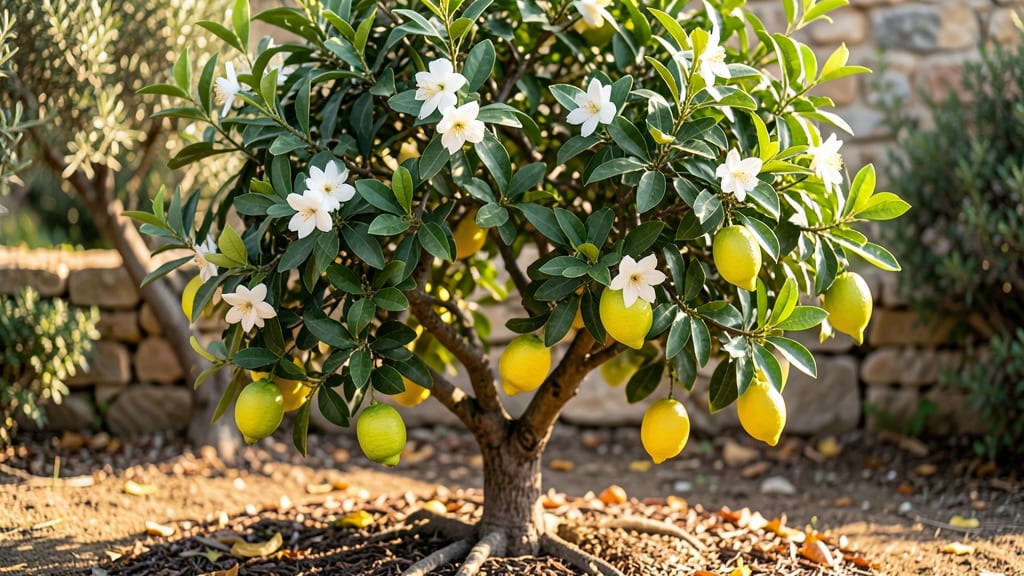
Identifying a citrus tree with thorns by its leaves saves you from buying the wrong plant—or worse, mistaking it for an invasive species. 🌿 The key lies in the leaf shape, texture, and arrangement, plus those sharp thorns that tell you this isn’t just any ornamental tree.
My first citrus tree looked like every other small shrub until I noticed the glossy, oval leaves and those telltale thorns along the stems.
Most citrus trees with thorns—like Meyer lemons, Key limes, and some orange varieties—have bright green, slightly waxy leaves with serrated edges and a pointed tip. The thorns grow in clusters where branches meet the trunk, unlike roses or honeysuckle, which have single thorns.
A quick rub of the leaf between your fingers reveals a lemony or citrusy scent that’s unmistakable once you know what to look for.
Once you recognize these traits, you’ll know exactly how to care for your tree—whether it needs full sun, well-draining soil, or winter protection depending on your zone. Misidentifying it could mean overwatering (citrus hates soggy roots) or missing pests like aphids that target tender new growth.
That first harvest of homegrown lemons or limes makes the effort worth it.
For a visual reference, compare your tree’s leaves to photos of Meyer lemons, Key limes, or Calamondin oranges—they’re the most common thorned citrus varieties. If you’re still unsure, snap a photo and compare it to a citrus leaf identification chart online.
The right ID means the right care, and that’s how you grow a thriving tree instead of a struggling one.
Natural Defense Mechanisms Explained
Citrus trees with thorns aren’t just a quirky oddity—they’re a hardwired survival strategy rooted in evolutionary biology. Understanding why these trees develop thorns helps gardeners anticipate their care needs and protect their plants from harm. Let’s break down the science behind this prickly trait.
Some citrus varieties, like Citrus × aurantium (sour orange) or Poncirus trifoliata (trifoliate orange), are hardwired to produce thorns as part of their genetic makeup. These traits are inherited from wild ancestors that evolved in harsh, predator-heavy environments.
🔬 Why it matters:
- Hybridization: Crossbreeding citrus with thorny relatives (like Poncirus) can introduce thorny offspring. For example, Citrus × limonia (sour lemon) often sports thorns because of its Poncirus lineage.
- Rootstock influence: Even if the scion (top part of the grafted tree) is thornless, the rootstock might trigger thorn development. Poncirus trifoliata rootstock is common but notorious for encouraging thorns in the grafted citrus.
💡 Pro Tip: If you’re grafting citrus, choose thornless rootstocks like Citrus macrophylla (swingle citrumelo) to avoid unexpected prickles.
Thorns aren’t just genetic—they’re a physical response to stress. When citrus trees face environmental challenges, they may produce thorns as a last-ditch defense mechanism. Common stressors include:
| Stressor | How It Triggers Thorns |
|---|---|
| 🌞 Excessive sunlight | Intense UV exposure can weaken cell walls, prompting the tree to grow thorns for shade protection and reduced water loss. |
| 💧 Drought or poor drainage | Water stress forces the tree to allocate energy to survival structures like thorns, which reduce herbivore damage when resources are scarce. |
| 🐛 Pest pressure | Chewing insects (like aphids or citrus leaf miners) or browsing animals (e.g., deer) can trigger defensive thorn formation in vulnerable branches. |
| ❄️ Cold damage | Freeze injury disrupts normal growth patterns, and the tree may reallocate energy to thorns as a protective measure in new growth. |
🌡️ Actionable Fix: Reduce stress by:
- Providing afternoon shade in hot climates.
- Improving soil drainage with organic matter (compost or perlite).
- Using row covers or neem oil to deter pests before thorns form.
Thorns develop from axillary buds—the same buds that produce leaves or flowers. However, when the tree’s hormonal balance shifts, these buds can transform into thorns instead. Key hormonal players include:
- Abscisic Acid (ABA): Rises under stress conditions (drought, cold) and signals the tree to prioritize defense over growth, often resulting in thorny shoots.
- Ethylene: A stress hormone that accelerates thorn formation in damaged or wounded areas, creating a physical barrier.
- Auxin Imbalance: If auxin (a growth hormone) is unevenly distributed—perhaps due to poor pruning or disease—the tree may default to thorn production in affected branches.
🔪 Pruning Pitfall: Over-pruning or top-heavy cuts can disrupt hormone flow, leading to thorny regrowth. Always prune at a 45-degree angle just above a leaf node to encourage healthy growth.
By recognizing these causes, you can prevent thorny surprises and nurture a citrus tree that’s both productive and manageable. Next, we’ll explore how to identify thorny citrus varieties and distinguish them from thornless cousins.
Fixing Thorny Citrus Trees Naturally
Got a citrus tree with thorns that’s making pruning feel like a battle? Don’t worry—most thorny citrus varieties (like Mexican lime, trifoliate orange, or certain hybrid rootstocks) are manageable with the right approach.
Below, we break down practical fixes for thorny growth, paired with prevention tips to keep your tree tamer and healthier.
Thorns often develop due to overcrowding, stress, or aggressive growth habits. Pruning isn’t just about trimming—it’s about encouraging the right shape while minimizing prickly surprises.
🔪 Step-by-Step Pruning Guide
- 🌿 Choose the Right Time Prune late winter or early spring (before new growth starts) or right after harvest (fall). Avoid heavy pruning in summer—it stresses the tree and can trigger more thorns.
- 📏 Trim Back Thorny Branches Use clean, sharp bypass pruners (avoid dull tools—they crush stems, inviting disease). Cut just above a leaf node (the bump where leaves grow) to encourage outward growth. - For dense thorns: Remove entire branches if they’re clustered with thorns.
Aim for an open-center shape to improve airflow and reduce stress.
- 🌱 Encourage New Growth Lightly prune water sprouts (fast-growing vertical shoots) to redirect energy into fruit-bearing branches. This reduces aggressive thorn production over time.
- ✂️ Safety First! Wear thick gloves (like leather gardening gloves) and long sleeves—thorns on citrus like trifoliate orange can be sharp as needles!
Overwatering or drought stress can trigger thorny growth as the tree’s defense mechanism. Citrus trees prefer consistent moisture but hate soggy roots.
💧 Watering Fixes
- 🌡️ Check Soil Moisture Stick your finger 2 inches deep into the soil. If it’s dry, water deeply 1-2 times per week (more in extreme heat). If it’s soggy, reduce frequency and improve drainage.
- 🚰 Improve Drainage If your tree sits in clay soil or a pot without drainage holes, amend with:
- Compost (for garden beds)
- Perlite or sand (for potted citrus)
- Raised beds (if drainage is poor)
- 🌧️ Mulch Like a Pro Apply 2-3 inches of mulch (wood chips or straw) around the base (but keep it 6 inches away from the trunk to prevent rot). This retains moisture and regulates soil temperature.
Nutrient imbalances (too much nitrogen or poor soil) can lead to weak, thorny branches. Citrus trees need balanced nutrition to grow strong and less defensive.
📊 Fertilizer Fixes
- 🌱 Use a Citrus-Specific Formula Choose a slow-release fertilizer with a balanced NPK ratio (e.g., 6-6-6 or 8-3-9). Avoid high-nitrogen fertilizers—they promote leafy growth over fruit and can increase thorns.
- 🍊 Feed in Stages
- Spring (March-April): Light feeding to kickstart growth.
- Summer (June-July): Another light dose if the tree looks stressed.
- Fall (September): A low-nitrogen fertilizer to harden the tree for winter.
- 💡 Pro Tip: Epsom salt (magnesium sulfate) can help if leaves show yellowing between veins (a sign of deficiency). Mix 1 tbsp per gallon of water and spray foliage monthly in spring/summer.
If your current tree is too aggressive, consider replacing it with a thorn-free or low-thorn citrus for future plantings. Here’s a quick thorn comparison:
| Citrus Type | Thorn Level | Notes |
|---|---|---|
| Sweet Orange | Low | Rare thorns, great for fruit |
| Lemon (Eureka) | Medium | Some thorns, but manageable |
| Mexican Lime | Very High | Avoid if thorns are a problem |
| Trifoliate Orange | Very High | Often used as rootstock—prune hard! |
| Calamondin | Medium | Small thorns, good for containers |
Once you’ve tamed your tree, keep it happy with these long-term tips:
- 🌿 Regular Pruning Maintenance Trim once a year to maintain shape and remove any new thorny shoots.
- 🍋 Monitor for Pests/Disease Scale, aphids, or fungal issues can stress the tree. Treat early with:
- Neem oil (for pests)
- Copper fungicide (for fungal spots)
- 🌞 Provide Full Sun Citrus needs 6-8 hours of sunlight daily. Shady spots = weak growth = more thorns.
- 🌡️ Protect in Winter If you’re in a cold climate, cover young trees with frost cloth or move potted citrus indoors. Cold stress = thorny regrowth.
Thorny citrus trees aren’t unfixable—they just need consistent care. With proper pruning, watering, and fertilization, you’ll see fewer thorns and more fruit in just a season. And if all else fails? Gloves and long sleeves are your best friends! 😉
Need a quick recap? ✅ Prune in late winter/early spring ✅ Water deeply but evenly ✅ Use balanced citrus fertilizer ✅ Choose low-thorn varieties for new plantings ✅ Keep the tree healthy to reduce stress-related thorns
Frequently asked questions
Why do some citrus trees have thorns while others don’t?
Thorns develop from genetic traits inherited from wild citrus relatives like Poncirus trifoliata (trifoliate orange). Varieties with thorns—such as Mexican lime or Calamondin—often come from hybrid rootstocks that trigger defensive growth. Thornless types like sweet oranges skip this trait entirely.
Are thorns on citrus trees dangerous?
Yes, especially on varieties like trifoliate orange where thorns can be sharp as needles! Always wear thick gardening gloves when pruning. The thorns are the tree’s natural defense—so respect them during maintenance to avoid painful pokes!
Can I prune thorns off my citrus tree?
Use clean pruners to cut thorny branches back to the main stem. Prune in late winter before new growth starts. For dense thorns, remove entire branches to encourage healthier, less prickly regrowth.
How do I tell if my thorny tree is actually citrus?
Look for these clues: bright green, glossy leaves with serrated edges, a citrusy scent when crushed, and white/pink flowers. Non-citrus thorny plants (like roses) have different leaf shapes and no citrus aroma.
Will thorns affect my citrus tree’s fruit production?
Not directly, but thorny growth often signals stress from poor care. Focus on balanced watering, proper sunlight, and pruning to reduce thorns and boost fruit. Healthy trees produce more—and with fewer pricks!