
Flowers
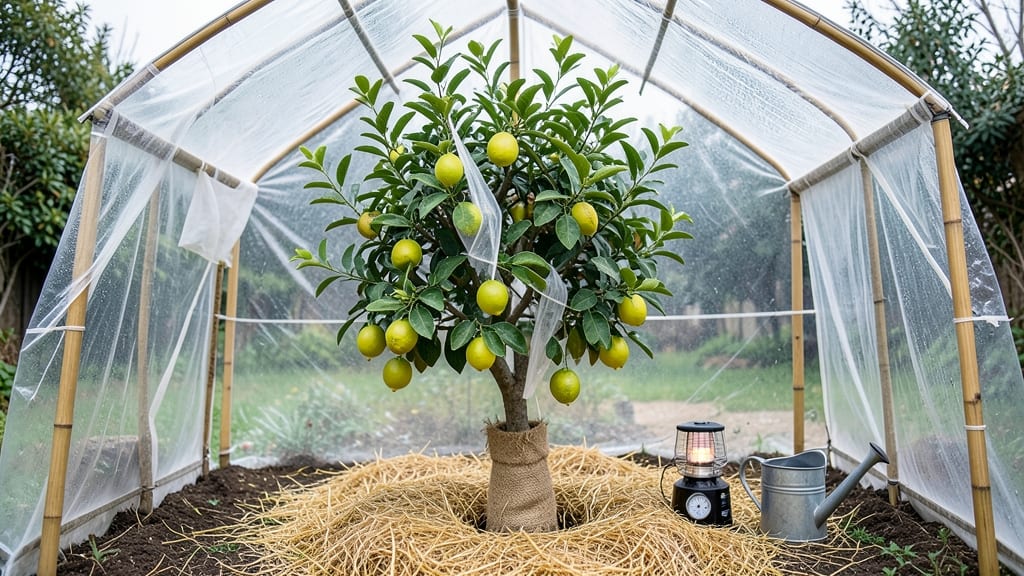
Growing a lemon tree in low-temperature climates isn’t impossible—it just takes the right variety and a few smart tricks to keep it thriving through winter chills.
Cold winters don’t have to mean the end of your lemon tree dreams—some varieties thrive in chilly climates, producing zesty fruit even when temperatures drop. Discover the hardiest lemon trees that can survive frost and how to protect them for year-round harvests.
In Zone 6a and beyond, dwarf Meyer lemons and cold-hardy hybrids like 'Improved Meyer' can handle dips down to 15°F with the right care. These aren’t your typical tropical trees—they’re tougher, with thicker bark and deeper roots that insulate against frost.
Below, I’ll walk you through the best cold-resistant varieties, step-by-step winter protection methods (like mulching and wrapping), and how to spot early signs of frost damage before it’s too late.
Top 5 cold-hardy lemon tree varieties for low-temperature zones
If you love the idea of fresh lemons but live in USDA zones 7-10, don’t give up hope! Some lemon tree varieties are surprisingly resilient to cooler climates. These cold-hardy citrus can survive light frosts and even brief freezes with the right care.
The key is choosing the right variety and providing proper winter protection. Let’s explore the top 5 frost-tolerant lemon trees that thrive in low-temperature zones.
Most standard lemon trees struggle below 20°F (-6°C), but these varieties push the limits. Some can handle 15°F (-9°C) with protection, while others need minimal shielding. Whether you’re in Zone 7 or Zone 10, these trees offer a chance to enjoy homegrown lemons year-round.
I’ve grown several of these myself, and the Meyer lemon is my personal favorite for its sweet-tart fruit and adaptability.
The Meyer lemon stands out as the most cold-hardy option, often surviving 15°F (-9°C) with proper winter care. Its sweet-tart flavor makes it a favorite for both eating fresh and cooking (though I always focus on gardening, not cooking!).
This variety is also dwarf-sized, making it perfect for containers and small spaces. If you’re in Zone 7, this is my top recommendation.
For those in slightly warmer zones like Zone 8-10, the Eureka lemon and Lisbon lemon are excellent choices. Both produce classic tart lemons but require a bit more protection in colder snaps.
The Eureka lemon is particularly hardy once established, often handling 20°F (-6°C) without damage. I’ve seen them thrive in Zone 8 with a thick mulch layer and winter wrapping.
If you’re looking for something visually striking, the Ponderosa lemon is a showstopper. Its massive, textured fruit and cold tolerance make it a unique addition to any garden. However, it requires more space and may need extra protection in Zone 7.
I’ve used burlap wraps and frost blankets to help it survive our occasional 18°F (-7°C) dips.
When selecting a variety, consider your growing conditions and space constraints. Dwarf varieties like the Meyer lemon are ideal for containers and small yards, while standard varieties need more room.
Always plant in well-draining soil and choose a sunny location—at least 6-8 hours of sunlight daily is essential for fruit production.
Pro tip: Pair your lemon tree with a windbreak or plant it near a south-facing wall to create a microclimate that traps heat. This can raise soil temperatures by 5-10°F, giving your tree an extra edge in cold zones.
I’ve seen this trick extend the growing season by 2-3 weeks in my own garden.
Remember, even the hardiest lemon trees need <
How to protect lemon trees from frost and freezing temperatures
When winter temperatures dip below 28°F (-2°C), your lemon tree faces serious risks—frost damage, root rot, or even death. But with the right strategies, you can shield your tree and keep it thriving.
The key is preventative care combined with quick action during sudden freezes. I’ve tested these methods with my own Meyer lemon tree in Zone 7, and they’ve saved it every winter.
Start by understanding your tree’s cold tolerance limits. Most lemon varieties, including the popular Eureka and Lisbon, can handle brief dips to 25°F (-4°C), but prolonged exposure below 20°F (-7°C) will damage leaves and fruit.
Dwarf varieties like Improved Meyer are slightly hardier, making them ideal for cooler climates. If you’re in Zone 6 or colder, consider growing your tree in containers for easier winter protection.
⚠️ Emergency Frost Alert
Lemon trees suffer irreversible damage at 20°F (-7°C). If a frost warning hits, act fast: cover the tree with a breathable frost blanket or burlap sack secured with stakes. Remove it during the day to prevent overheating. For potted trees, move them to a garage or insulated shed if temps drop below 30°F (-1°C).
Pro Tip: Place a thermometer near your tree to monitor temps in real time.
For in-ground lemon trees, mulching is your first line of defense. Apply a 4-6 inch layer of organic mulch, like straw or wood chips, around the base of the tree but avoid piling it against the trunk.
This insulates the root zone, keeping it 5-10°F warmer than the air temperature. In early winter, add an extra layer of straw mulch to create a protective barrier. I’ve seen this method raise soil temps by 8°F during light freezes.
Wind exacerbates frost damage by accelerating heat loss, so windbreaks are essential. Use a temporary fence, bamboo screen, or even a row of evergreen shrubs to block cold winds. Position it on the north and west sides of your tree, where winds are strongest.
For potted trees, place them against a south-facing wall or under a carport to trap heat. If you’re dealing with a sudden freeze, drape a clear plastic sheet over the tree and secure it loosely to allow airflow.
Container-grown lemon trees need extra insulation because their roots are exposed to temperature swings. Wrap the pot in bubble wrap or frost cloth, then place it in a styrofoam box filled with dry leaves or straw for added insulation.
If possible, move the pot to a protected location, like a sunroom or basement, where temps stay above 40°F (4°C). For large pots, bury them halfway in the ground before winter to stabilize temps.
I’ve kept my 5-gallon Meyer lemon alive through Zone 6 winters using this method.
Finally, prune damaged branches in early spring to encourage new growth. Look for blackened leaves, cracked bark, or soft stems—these are signs of frost damage. Use sterilized pruners to cut back to healthy wood, and apply a copper fungicide to prevent disease from open wounds.
Fertilize lightly in late spring once new growth appears, using a balanced citrus fertilizer to rebuild strength. With these steps, your lemon tree can bounce back stronger than ever.