
Container Gardens
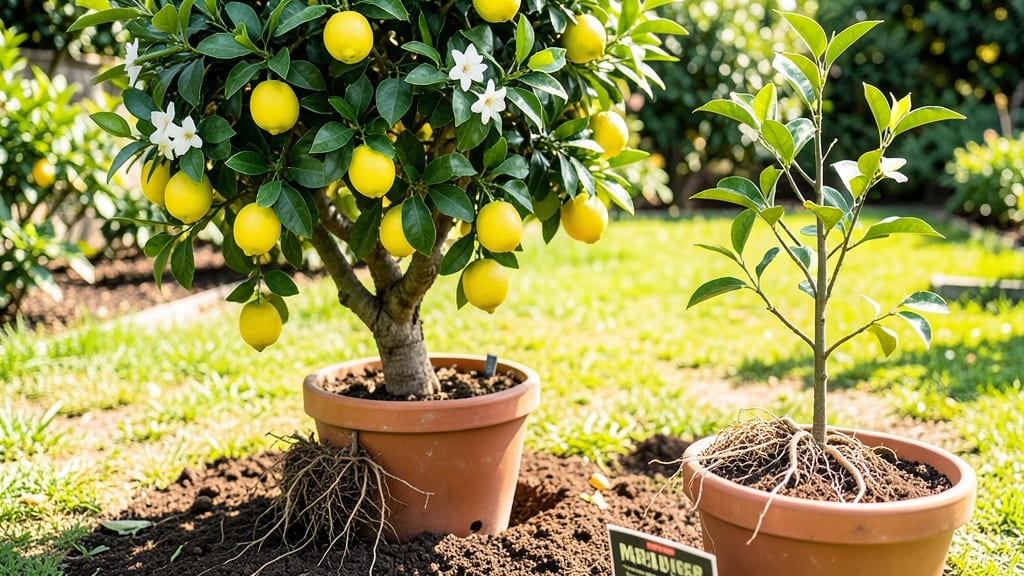
Planting a Meyer lemon tree in a pot isn’t just possible—it’s the secret to year-round citrus on your patio or balcony. 🌿 I’ve watched mine go from a bare-bones nursery sapling to a tree heavy with fragrant blossoms and tart-sweet fruit, all while taking up less space than a small end table.
The key? Matching the right container, soil, and care to what this Mediterranean native actually needs to thrive in a confined space.
You’ll need a 5-gallon pot minimum (bigger is better for long-term growth), well-draining soil mixed with perlite or sand, and a spot that gets 6+ hours of sunlight daily. Most people overlook drainage—without it, those roots rot faster than a forgotten grocery bag in the trunk.
I’ve seen this happen twice, and trust me, you don’t want to deal with the mushy, sad smell of waterlogged citrus roots.
Once planted, your tree will reward you with glossy new leaves within weeks and the first blossoms by spring. The real magic happens in year two when you start harvesting those bright yellow lemons—perfect for making homemade limoncello or brightening winter dishes.
Just be ready to move it indoors when temperatures dip below 40°F, because citrus trees are tropical at heart.
Common mistakes? Overwatering (the #1 killer), forgetting to fertilize monthly during growing season, and letting the pot stay root-bound for too long. I’ve made all three—now I check soil moisture like it’s my job, and repot every 2-3 years to keep those roots happy.
With the right setup, your Meyer lemon could outlive you and still produce fruit.
📚 In This Guide
- What you need
- Instructions
- Tips and common mistakes
- Wrapping up and next steps
What you need
- ● Meyer lemon tree: A healthy 1–3 gallon potted sapling (check for firm stems and vibrant green leaves).
- ● Pot: A minimum 15–20 gallon container with drainage holes (terracotta or fabric pots work best). Pro tip: 💡 For mature trees, aim for 20–30 gallons to accommodate root growth!
- ● Well-draining potting mix: A blend of cactus/succulent mix (60%), perlite or pumice (20%), and compost (20%). Avoid garden soil—it compacts and suffocates roots!
- ● Drainage layer: 1–2 inches of small gravel, lava rocks, or broken pottery pieces.
- ○ Support stake (optional but recommended): A 3–4 ft bamboo or metal stake for stability as the tree grows.
- ● Gloves: Gardening gloves to protect your hands from thorns and soil.
- ● Trowel or small shovel: For easy transplanting and mixing soil.
- ● Watering can or hose with gentle nozzle: Meyer lemons hate soggy roots—avoid overwatering!
- ○ Slow-release citrus fertilizer (optional): Look for a balanced 6-6-6 or 10-10-10 NPK blend labeled for citrus.
- ○ Mulch (optional): 1 inch of bark or straw mulch to retain moisture and regulate soil temp.
- ● Spray bottle (for humidity): Helps mimic tropical conditions if your home is dry.
- ● Sunlight: A south-facing window, grow light, or outdoor spot with 6–8 hours of direct sunlight daily.
- ● Temperature control: Meyer lemons thrive in 60–85°F. Avoid drafts or cold windowsills!
- ● Patience: It takes 3–5 years for a potted Meyer lemon to bear fruit—but every lemon is worth the wait!
Step-by-step instructions for planting a Meyer lemon tree in a pot
Here’s how I’ve grown thriving Meyer lemon trees in containers—even in small apartments.
🪴 Step 1: Choose the Right Pot and Drainage
Start with a 5-gallon pot (minimum) for your first Meyer lemon tree. Larger pots delay fruiting, but they’re better for long-term health. Make sure it has multiple drainage holes—citrus roots rot quickly in soggy soil. If your pot lacks holes, drill them yourself or place it on a saucer with pebbles to catch excess water.
I like to use unglazed terra cotta because it breathes and helps regulate moisture. If you’re using plastic, choose one with at least 12-inch diameter to give roots room to spread. Line the bottom with 1-2 inches of gravel to improve drainage and prevent clogging.
🌱 Step 2: Prepare the Soil Mix for Citrus
Meyer lemon trees need well-draining, slightly acidic soil (pH 6.0-7.0). Mix 2 parts potting soil with 1 part perlite or coarse sand to prevent compaction. I add a handful of orchid bark for extra aeration—this keeps roots from suffocating while holding enough moisture.
Fill the pot ⅓ full with your mix, then tap it gently to settle. Avoid garden soil—it’s too dense and may contain pathogens. A slow-release citrus fertilizer (like 8-3-9) sprinkled into the soil now gives your tree a head start without burning roots.
☀️ Step 3: Plant Your Tree and Water Properly
Remove the tree from its nursery pot and loosen the roots if they’re circling. Place it in the center of your prepared pot, ensuring the graft union (the bump near the base) sits 1-2 inches above soil level. This prevents rot and encourages strong growth above ground.
Fill around the roots with your soil mix, pressing lightly to remove air pockets. Water deeply until it drains freely from the bottom. After 10 minutes, check the soil—it should feel moist but not soggy. Too much water now can drown the roots before they establish.
💧 Step 4: Place in Optimal Light and Monitor
Meyer lemons need 6-8 hours of direct sunlight daily. A south-facing window works, but if yours isn’t bright enough, supplement with a grow light (LED full-spectrum, 12-14 hours/day). I notice leaves yellowing if light is insufficient—this is your cue to move the tree closer to the window.
Keep the soil evenly moist but never waterlogged. Stick your finger 1 inch deep—if it feels dry, water until it’s damp. In winter, reduce watering to every 7-10 days since growth slows. Yellow leaves can also signal overwatering, so always check drainage.
✂️ Step 5: Fertilize and Prune for Healthy Growth
Feed your tree every 4-6 weeks during spring and summer with a citrus-specific fertilizer. I dilute it to half-strength the first time to avoid shocking the roots. In fall and winter, cut back to once every 8-12 weeks—over-fertilizing then can harm dormant plants.
Prune in late winter to shape the tree and remove dead branches. Cut just above a leaf node at a 45-degree angle to encourage new growth. Avoid heavy pruning—Meyer lemons fruit on new wood, and aggressive cuts reduce yield. Watch for buds forming in early spring; these will become your first blossoms.
Tips & tricks for planting a Meyer lemon tree in a pot
These simple tricks will help your potted Meyer lemon thrive even in small spaces.
Pot Selection: If you don’t have a 5-gallon pot, a 7-gallon container will give your tree more room to grow without delaying fruiting too much. Just remember—larger pots mean you’ll need to water more frequently. Terra cotta pots are ideal because they allow moisture to evaporate naturally, but if you use plastic, make sure it has at least 12 inches of diameter to accommodate root growth. I’ve seen trees in 10-inch pots struggle with root crowding after just a year.
Soil Mix Tip: The 2:1 ratio of potting soil to perlite/sand is perfect, but I’ve found adding a handful of worm castings to the mix gives an extra nutrient boost without overdoing it. These castings improve soil structure and provide beneficial microbes that help roots absorb nutrients more efficiently. Just mix them right into your soil blend before planting.
Watering Wisdom: That 10-minute wait after watering is crucial—it lets excess water drain completely, preventing soggy soil. I’ve learned the hard way that skipping this step leads to root rot. After 10 minutes, stick your finger 1 inch deep: if it feels damp but not wet, you’re good to go. In winter, when growth slows, you’ll notice the soil stays moist longer, which is why we reduce watering to every 7-10 days.
Lighting Hacks: If your south-facing window doesn’t get enough sunlight, a simple LED grow light on a timer (12-14 hours/day) works wonders. I place mine about 6 inches above the tree and adjust the height as the tree grows. You’ll know it’s working when you see new leaves forming and the existing ones stay a healthy green color. Yellowing leaves are your first sign to move the tree closer to the light source.
Pro Tips for Plant A Meyer Lemon Tree In A Pot
- These simple tricks will help your potted Meyer lemon thrive even in small spaces.
- Pot Selection: If you don’t have a 5-gallon pot, a 7-gallon container will give your tree more room to grow without d...
- Soil Mix Tip: The 2:1 ratio of potting soil to perlite/sand is perfect, but I’ve found adding a handful of worm casti...
Frequently asked questions
Got questions about growing your Meyer lemon tree in a pot?
Here are answers to the most common concerns—so you can grow with confidence!
What’s the best temperature range for a potted Meyer lemon tree?
A Meyer lemon tree thrives in 60–85°F (15–29°C) during the day and 50–60°F (10–15°C) at night. Protect it from frost (below 30°F/-1°C) by moving it indoors or covering it with a frost cloth. If temps dip below freezing, your tree may suffer permanent damage—so plan ahead!
How long does it take for a Meyer lemon tree to bear fruit in a pot?
With proper care, a potted Meyer lemon tree can produce fruit in 2–5 years. Young trees (under 3 years) focus on growth, so be patient! Boost fruiting by ensuring 6+ hours of sunlight daily, regular watering, and occasional fertilizer (like citrus-specific feed). Bonus: Dwarf varieties often fruit sooner!
How often should I water my potted Meyer lemon tree?
Water when the top 1–2 inches of soil feel dry (about once a week in summer, less in winter). Overwatering is risky—yellow leaves or root rot are red flags! Use well-draining soil and a pot with drainage holes. Pro tip: Let the tree “thirst” slightly between waterings for stronger roots.
Can I grow a Meyer lemon tree in a pot without sunlight?
Nope! Meyer lemons need 6+ hours of direct sunlight daily to thrive. Without enough light, you’ll see weak growth, few flowers, and no fruit. If your space lacks sun, try a south-facing window or supplement with a grow light. A bright indoor spot (like a sunroom) is better than deep shade!
Why aren’t my Meyer lemon tree’s leaves turning yellow?
Yellow leaves usually signal overwatering, nutrient deficiency, or pests. Check these fixes:
- Watering: Let soil dry slightly between waterings.
- Nutrients: Feed with a citrus fertilizer every 2–3 months.
- Pests: Inspect for spider mites or aphids (wipe leaves with soapy water).
- Light: Ensure it gets enough sun (see above!).
If the yellowing spreads, prune affected leaves to help the tree recover.
Wrapping up and next steps
Growing a Meyer lemon tree in a pot is a rewarding journey that brings fresh, fragrant citrus to your doorstep—even in small spaces! With the right container, well-draining soil, and a little TLC, you’ll enjoy homegrown lemons in just a few years. 🌱✨
Now that you’re armed with the know-how, take the first step—pick your pot, gather your supplies, and plant that tree! Stay patient, keep an eye on its needs, and soon you’ll be harvesting lemons for homemade lemonade, pies, or gifts. Happy gardening! 🍋💚