
Pruning
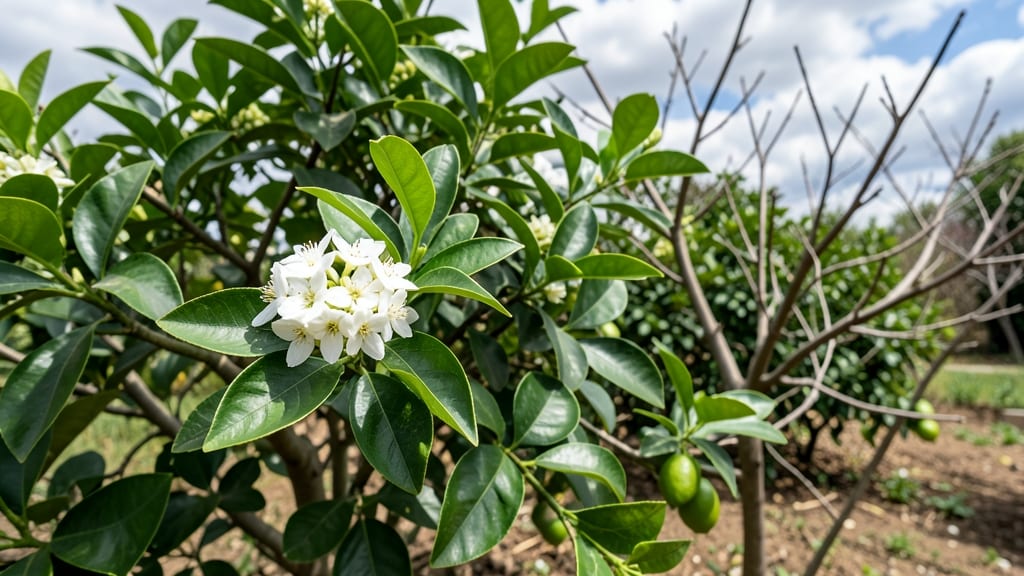
The not producing lemon tree you’re struggling with is about to change—no more empty branches, just blossoms and fruit. 🌿 The most common reason isn’t what you think—it’s usually sunlight, pruning, or a nutrient imbalance that’s quietly sabotaging blooms.
I’ve nursed back three lemon trees from fruitless to bursting with lemons, and the fixes are simpler than you’d expect.
First, check the basics: 6+ hours of direct sunlight is non-negotiable, and most people underestimate how much their trees need. Then there’s pruning—cutting too aggressively in winter stunts flowering, while neglecting it crowds out fruit-bearing branches.
Even watering plays a role: too much or too little stresses the tree, and it prioritizes survival over lemons.
With the right adjustments, you’ll see new blossoms within 8-12 weeks, followed by fruit in 4-6 months. The key is matching care to the tree’s natural cycle—spring pruning, balanced fertilizer, and consistent moisture. No more guessing games, just lemons on the branch.
This works for both dwarf and standard lemon trees, whether you’re in a warm climate or a container on a sunny patio. Let’s troubleshoot step by step—your first harvest is closer than you think.
Root Causes of Lemon Tree Stagnation
When your lemon tree refuses to bear fruit, the issue often traces back to fundamental biological needs that aren’t being met. Understanding these causes—rooted in science and horticulture—helps you pinpoint where to focus your efforts.
Let’s break down the five most common culprits behind a fruitless lemon tree, complete with actionable insights to turn things around.
Lemon trees (Citrus × limon) are sun-worshippers, requiring 6–8+ hours of direct sunlight daily to trigger flowering. Without adequate light, the tree’s energy shifts toward leaf growth instead of fruit production.
Why it happens:
- Photosynthesis slowdown: Low light reduces chlorophyll production, weakening the tree’s ability to store energy (carbohydrates) in its roots and branches.
- Hormonal imbalance: Light deprivation disrupts the balance of auxins (growth hormones) and florigen (a flowering signal), delaying or preventing bloom formation.
- Weak structure: Shady conditions lead to lanky, leggy growth, making the tree less resilient to stress and less likely to allocate resources to fruit.
💡 Pro Tip: If your tree is indoors or in partial shade, move it to a south-facing window (Northern Hemisphere) or use grow lights (12–16 hours/day) to mimic sunlight. Outdoor trees? Prune nearby structures blocking light.
Water stress—whether from drought or overwatering—directly impacts fruit development. Lemon trees thrive in well-draining soil with consistent moisture but despise soggy roots or dry spells.
Why it happens:
- Underwatering:
- Root shrinkage: Chronic drought forces roots to shrink, reducing their ability to absorb nutrients and water. The tree prioritizes survival over reproduction.
- Abscisic acid spike: This stress hormone signals the tree to halt flowering until conditions improve.
- Overwatering:
- Root rot: Phytophthora and other pathogens thrive in waterlogged soil, suffocating roots and starving the tree of oxygen.
- Nutrient lockout: Excess water flushes away essential minerals (like phosphorus and potassium), which are critical for flower and fruit development.
📊 Key Stats:
- Ideal soil moisture: Keep the top 2–3 inches of soil slightly dry between waterings. Stick your finger in—if it’s dry, water deeply.
- Drainage test: If water pools in the saucer after 30 minutes, your tree is at risk. Amend soil with perlite or sand to improve aeration.
Lemon trees are tropical/subtropical and struggle outside their ideal 60–85°F (15–29°C) range. Extreme heat, cold snaps, or drafts can shock the tree into dormancy or prevent pollination.
Why it happens:
- Cold stress:
- Flower drop: Temperatures below 50°F (10°C) can cause buds to abort before opening.
- Root damage: Frozen roots lose their ability to transport water and nutrients, stalling growth.
- Heat spikes:
- Pollinator failure: Bees and butterflies (key pollinators) avoid temperatures above 90°F (32°C), reducing fertilization rates.
- Water loss: High heat increases transpiration, forcing the tree to divert energy to cooling itself instead of fruiting.
✨ Solution:
- Cold climates? Grow in containers for winter relocation or plant near a south-facing wall for passive heat.
- Hot climates? Provide afternoon shade (3–6 PM) to prevent heat stress. Mulch with straw or wood chips to regulate soil temperature.
Fruit production demands specific nutrients in the right ratios. A deficiency in nitrogen, phosphorus, or potassium (the "NPK trio") can halt blooming entirely.
Why it happens:
| Nutrient | Role in Fruiting | Deficiency Signs | Fix It With |
|---|---|---|---|
| Nitrogen (N) | Leafy growth (foundation for energy) | Yellowing leaves (chlorosis), stunted growth | Balanced fertilizer (e.g., 10-10-10) or compost |
| Phosphorus (P) | Flower and fruit development | Purple stems, slow growth, few/no blooms | Bone meal or rock phosphate |
| Potassium (K) | Stress resistance, fruit quality | Weak stems, brown leaf edges, poor fruit set | Banana peels (composted) or greensand |
| Magnesium (Mg) | Chlorophyll production | Yellowing between leaf veins | Epsom salt (1 tbsp/gallon of water, foliar spray) |
| Zinc (Zn) | Pollen formation | Small, distorted leaves, no flowers | Zinc sulfate (1 tsp/gallon of water) |
💡 Pro Tip: Test your soil’s pH (6.0–7.0 is ideal for lemons). Acidic soil (pH <5.5) locks out nutrients like phosphorus. Amend with lime if needed.
Young lemon trees (under 3–5 years) focus on root and canopy expansion before fruiting. Even mature trees may skip years if stressed.
Why it happens:
- Juvenile phase: Trees prioritize vegetative growth (leaves, branches) over reproductive growth (flowers/fruit).
- Over-pruning: Aggressive trimming removes flower buds (which form on old wood) and disrupts the tree’s energy balance.
- Disease or pests: Past infestations (e.g., citrus leaf miner, aphids) divert energy away from fruiting.
🔥 Action Step:
- For young trees: Be patient! Ensure optimal care (light, water, nutrients) to speed up maturity.
- For mature trees: Prune lightly in late winter/early spring to encourage new growth and preserve flower-bearing branches. Avoid cutting back more than 25% of the canopy per year.
🎯 Bottom Line: A lemon tree’s refusal to fruit is almost always a cry for help—whether it’s sunlight, water, nutrients, or a nudge toward maturity. By addressing these five core causes, you’ll give your tree the best shot at blooming and bearing lemons like a pro.
Next up: How to Revive Your Tree with targeted fixes!
Revive Your Lemon Tree’s Fruitfulness
Now that you’ve pinpointed why your lemon tree isn’t producing, it’s time to take action! The good news? Most issues can be fixed with targeted care—whether it’s adjusting light, feeding the soil, or giving your tree a little TLC.
Below, we’ll break down practical, step-by-step solutions for each common cause, plus prevention tips to keep your tree thriving long-term.
Problem: Your tree isn’t getting enough light (6–8+ hours of direct sun daily). Solution: ✅ Relocate the tree to a sunnier spot—south-facing windows or a sheltered outdoor area work best. ✅ Use grow lights (12–16 hours/day) if indoors, positioning them 6–12 inches above the tree. ✅ Rotate the pot weekly to ensure even light exposure.
💡 Prevention Tip: If growing outdoors, choose a permanent sunny location—lemon trees hate being moved once established.
Problem: Extreme heat, cold drafts, or low humidity are shocking the tree. Solution: ✅ Move potted trees indoors before temps drop below 40°F (4°C) or exceed 90°F (32°C). ✅ Use a humidity tray (pebbles + water) or mist leaves lightly in dry climates. ✅ Avoid drafts (AC vents, open windows) and keep soil consistently moist but not soggy.
🌡️ Pro Tip: Lemon trees thrive in 60–80°F (15–27°C). Use a thermometer to monitor conditions.
Problem: Lack of nutrients (or too much fertilizer) stunts blooms. Solution: ✅ Test soil pH (ideal: 6.0–7.0). Adjust with lime (to raise pH) or sulfur (to lower it). ✅ Feed monthly with a citrus-specific fertilizer (high in nitrogen in spring, switch to phosphorus-heavy in fall for blooms). ✅ Flush soil every 3 months to prevent salt buildup (run water through the pot for 10 mins).
💡 Prevention Tip: Less is more—over-fertilizing burns roots. Follow package instructions exactly.
Problem: Too much (or too little) pruning, or a root-bound tree. Solution: ✅ Prune in late winter/early spring to remove:
- Dead/diseased branches (cut at the base).
- Crowded growth (aim for an open canopy for airflow).
- Suckers (shoots at the base).
✅ Repot every 2–3 years if roots are circling (use a pot 2–4 inches larger). ✅ Thin out fruit if overloaded—leave 5–8 lemons per branch to avoid stress.
🔪 Pruning Hack: Sterilize shears with rubbing alcohol to prevent disease spread.
Problem: Drought stress or waterlogged roots. Solution: ✅ Water deeply when the top 1–2 inches of soil are dry (stick your finger in to check!). ✅ Use well-draining soil (mix potting soil with perlite/sand). ✅ Drain excess water—never let trees sit in saucers of water.
💧 Watering Pro Tip: Morning watering reduces fungal risks. Avoid wetting leaves to prevent mildew.
Lemon trees need stress signals to flower.
Try: - Slightly reducing water for 2–3 weeks in late summer (but don’t let soil dry out completely). - Exposing to cooler temps (50–60°F/10–15°C) at night for 2–3 weeks to mimic seasonal change. - Shaking branches gently in spring to help pollination (or use a small brush to transfer pollen).
| Season | Task | Why It Matters |
|---|---|---|
| Spring | Fertilize (nitrogen-heavy) | Boosts leafy growth. |
| Summer | Prune lightly, monitor pests | Encourages airflow for blooms. |
| Fall | Switch to phosphorus fertilizer | Promotes flower buds. |
| Winter | Reduce watering, protect from cold | Prevents root rot and shock. |
Final Thought: Patience is key—some lemon trees take 2–3 years to bear fruit after fixes. Track progress with a growth journal (note pruning, watering, and bloom dates) to spot patterns. With these adjustments, your tree should be bursting with lemons in no time! 🍋✨
Frequently asked questions
Why does my lemon tree have leaves but no fruit even after years of care?
Young lemon trees often focus on leaf and root growth for 3-5 years before producing fruit. Even mature trees may skip years if stressed. Check for sunlight (6+ hours daily), proper pruning, and nutrient balance—these are the top reasons for fruitless growth.
Can I force my lemon tree to bloom out of season?
Yes! Lemon trees need seasonal cues to flower. Try these tricks: reduce water slightly for 2-3 weeks in late summer, expose to cooler 50-60°F (10-15°C) nights, or shake branches gently to aid pollination. These mimic natural stress signals that trigger blooming.
What should I do if my lemon tree only has flowers but no fruit?
This usually means pollination failed. Hand-pollinate by gently shaking branches in the morning or use a small brush to transfer pollen between flowers. Also check for pests like aphids that may interfere, and ensure your tree gets phosphorus-rich fertilizer in fall to support fruit development.
How do I know if my lemon tree is getting enough sunlight?
Look for leggy growth (long, weak stems) or leaves growing toward light sources—both signs of insufficient sun. Ideal light exposure means compact, green leaves with no yellowing. If indoors, place within 3 feet of a south-facing window or supplement with grow lights for 12-16 hours daily.
Is it normal for my lemon tree to lose all its flowers?
Yes, but it's often a stress response. Common causes include temperature swings (below 50°F/10°C or above 90°F/32°C), sudden water changes, or nutrient deficiencies. Adjust care gradually and avoid over-fertilizing—this can actually prevent fruit set by overwhelming the tree.