
Diseases
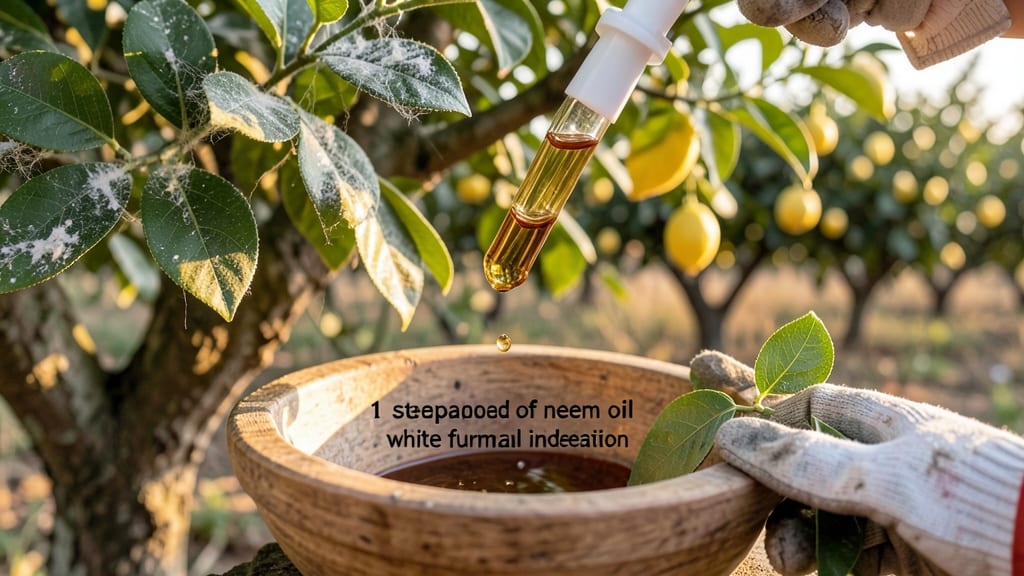
White fungus on your lemon tree can ruin fruit quality and harm plant health. This guide covers 10 common types of white fungal infections, how to identify them, and the most effective organic removal methods to save your citrus trees.
Powdery Mildew on Lemon Tree Leaves
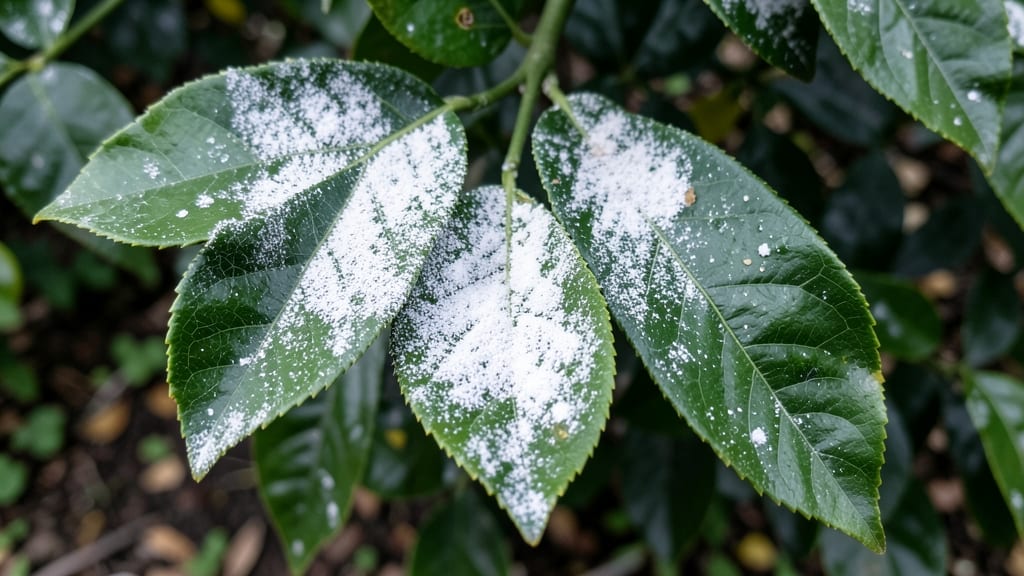
That white, powdery coating on your lemon tree leaves isn’t just dust—it’s powdery mildew, the most aggressive fungal threat to citrus trees. This persistent pathogen thrives in humid conditions (like indoor citrus groves or shaded outdoor spots) and can cripple your tree’s ability to photosynthesize, leading to yellowing leaves and stunted fruit.
Identify it by its chalky white patches on leaf surfaces, often starting on younger leaves. Unlike harmless mineral deposits, powdery mildew spreads rapidly in still air and weakens the tree over time. For treatment, prune infected leaves immediately (sterilize tools with rubbing alcohol) and apply a neem oil spray (2% solution) every 7–10 days until symptoms disappear. Space applications during dry mornings to avoid promoting fungal growth.
Citrus growers in tropical climates or those with indoor lemon trees should monitor humidity levels below 70% and ensure proper airflow around the tree. Early intervention is key—once powdery mildew takes hold, it’s harder to reverse. 🌿
White Rust Fungus on Lemon Fruit
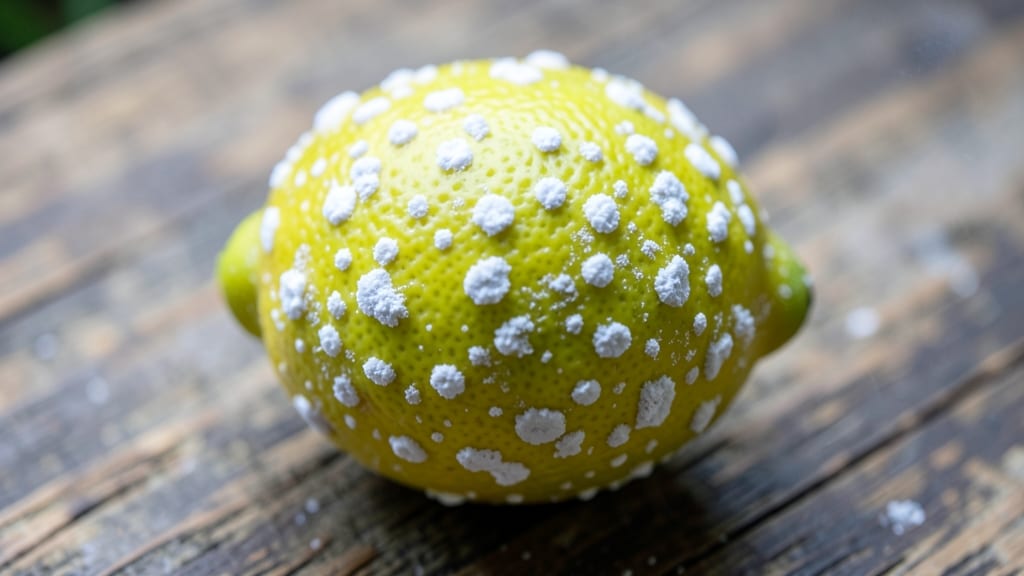
If your lemon fruit develops tiny, raised white pustules that look like powdery blisters, you’re likely dealing with white rust fungus—a stubborn problem in warm climates that ruins fruit appearance and invites further rot.
This fungus thrives in tropical and subtropical conditions, where high humidity and poor airflow create the perfect breeding ground. The white pustules aren’t just cosmetic—they weaken the fruit’s skin, making it vulnerable to secondary infections like bacterial spot. Prune infected fruit immediately to prevent spread, and improve airflow around the tree by thinning dense foliage.
Growers in humid coastal regions or greenhouses should monitor fruit closely during peak growing seasons. Early removal and copper-based fungicides (applied preventatively) can help keep your harvest looking—and tasting—fresh. 🌟
Sooty Mold from Lemon Tree Aphids
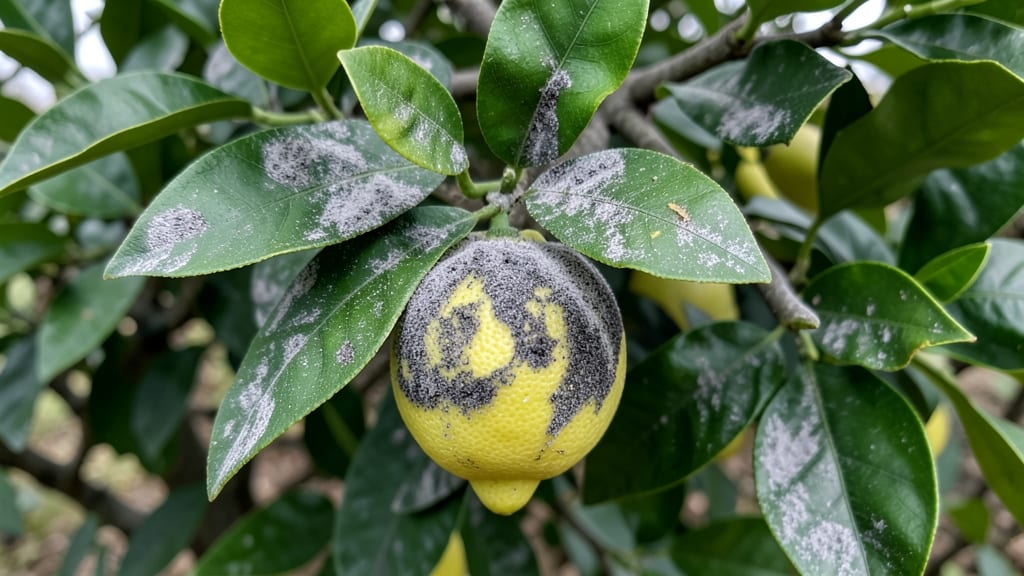
If your lemon tree leaves and fruit are covered in a blackish-white, velvety film that looks like dirt but won’t wash off, you’re likely dealing with sooty mold—a fungal hitchhiker that thrives on aphid honeydew. Unlike powdery mildew or rust, this growth isn’t the primary pathogen but a symptom of an underlying pest problem.
Sooty mold blocks sunlight from reaching leaves, reducing photosynthesis by up to 30% and weakening the tree over time. To treat it, start by targeting aphids with a strong spray of water or insecticidal soap, then wipe affected leaves with a damp cloth dipped in mild dish soap. For severe cases, apply neem oil (1% solution) to both leaves and stems to disrupt fungal growth while deterring future aphid infestations.
This issue is especially common in indoor lemon trees or those near other honeydew-producing pests like scale insects. Gardeners with citrus groves or container-grown trees should monitor undersides of leaves regularly—early intervention keeps your tree thriving. 💚
White Mold on Lemon Tree Roots
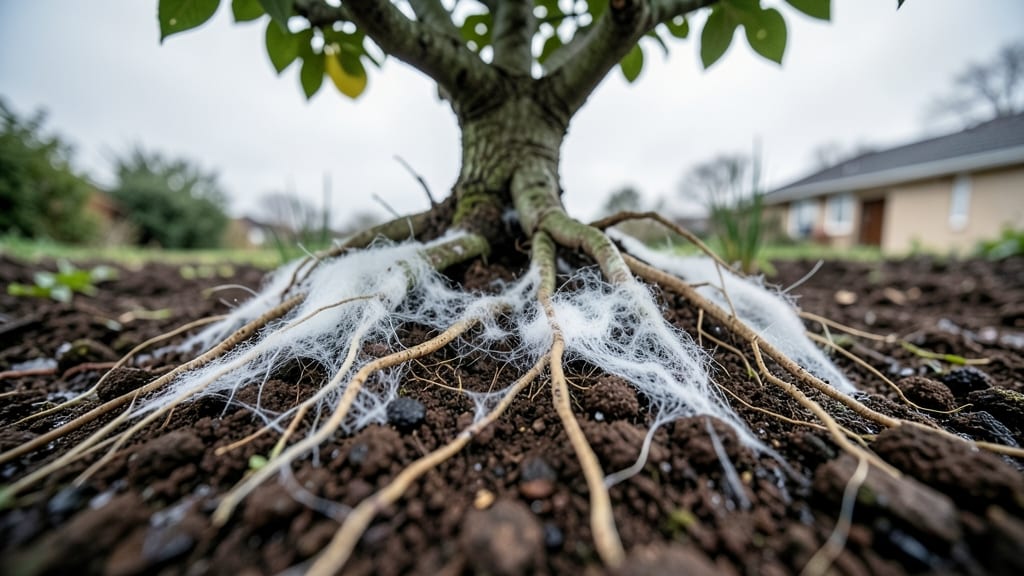
If your lemon tree’s soil looks like it’s sprouting cotton candy at the base, you’re likely dealing with white mold on the roots—a silent killer caused by fungal pathogens like Sclerotium rolfsii. Unlike leaf infections, this root rot thrives in waterlogged soil and can strangle your tree before you even notice the symptoms.
Look for white, cottony growth clinging to roots or spreading in the soil near the trunk. This mold blocks water and nutrient uptake, causing yellowing leaves and stunted growth. The key to treatment is improving drainage—amend heavy soil with perlite or sand, and avoid overwatering. For existing infections, remove heavily contaminated soil and apply fungicidal treatments like copper-based sprays or hydrogen peroxide (1 part per 10 parts water) directly to the roots.
This issue is especially critical for container-grown lemon trees or those in poorly draining soil. Act fast—root rot spreads quickly and can be fatal if ignored. 💪
Alternaria Leaf Spot with White Edges
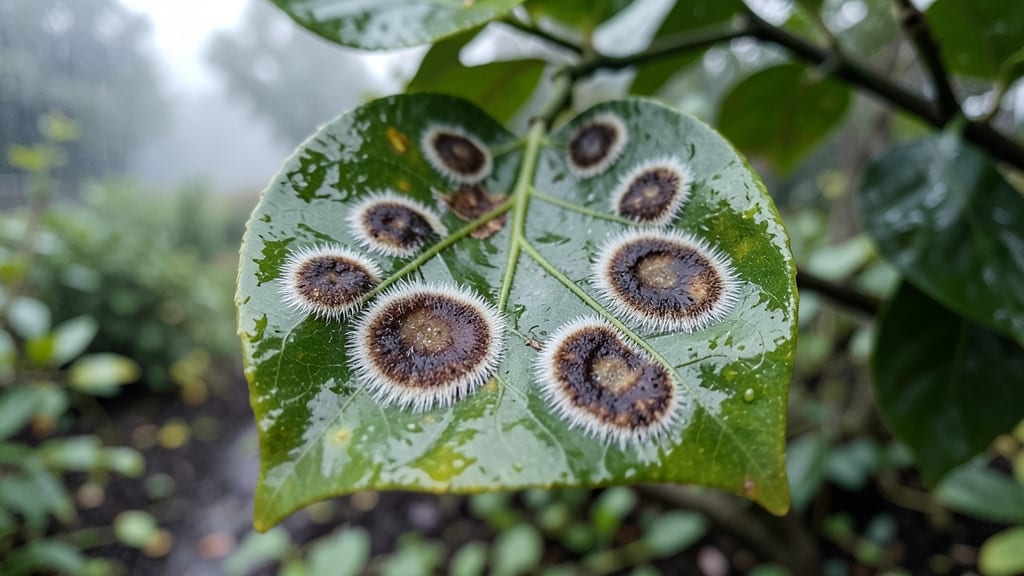
If you’ve noticed dark brown spots with white edges spreading across your lemon tree leaves, you’re likely dealing with Alternaria leaf spot—a fungal disease that thrives in wet, humid conditions and can quickly defoliate your tree if left unchecked.
This aggressive fungus creates concentric rings on leaves, often starting as small spots that expand and merge. Unlike powdery mildew, Alternaria thrives in overhead watering or poor air circulation, making it common in dense citrus groves or potted trees. Prune infected leaves immediately and avoid wetting foliage when watering to slow its spread.
Home gardeners in coastal or rainy climates should monitor their trees closely during summer and fall, when conditions are ideal for outbreaks. Catching it early with copper fungicide sprays or neem oil can save your tree’s health—and your harvest. 💚
White Fungal Growth on Lemon Tree Trunk
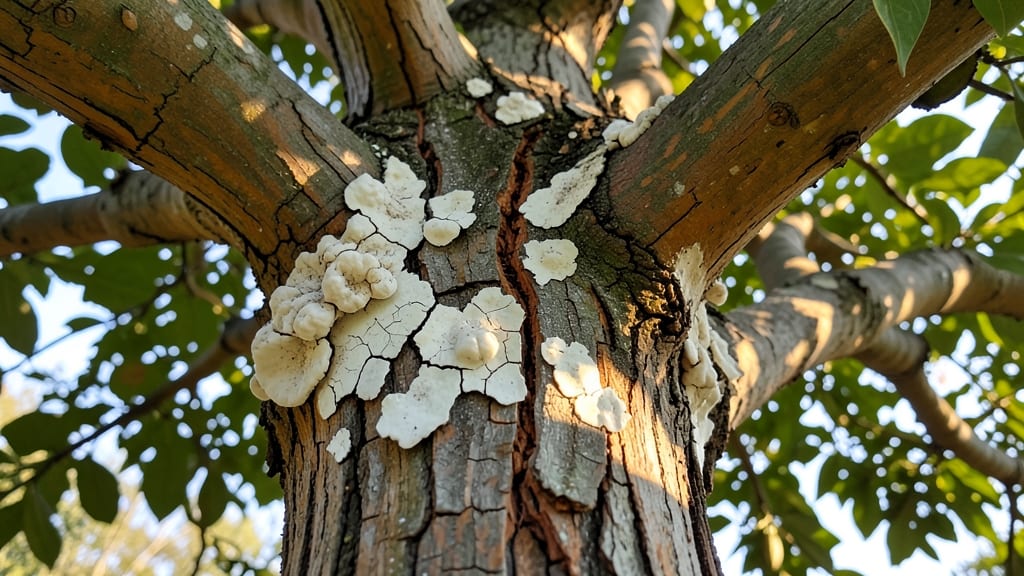
When you spot white, crusty patches on your lemon tree trunk, it’s not just unsightly—it’s a warning sign of canker disease, like Botryosphaeria, that weakens the tree’s structure and invites further infections. Unlike leaf fungi, trunk cankers can girdle the bark, cutting off nutrients and water flow over time.
Start by pruning out infected bark with a sterilized knife, cutting at least ½ inch beyond the white edges to remove infected tissue. Apply a copper fungicide or baking soda spray (1 tbsp baking soda + 1 quart water + a drop of dish soap) to the wound to prevent spread. For severe cases, consider wound dressing with horticultural sealant to protect exposed areas.
This issue is critical for mature lemon trees or those in humid climates, where cankers spread faster. Early action can save your tree from structural collapse and keep it fruiting for years. 💡
Downy Mildew on Lemon Tree New Growth
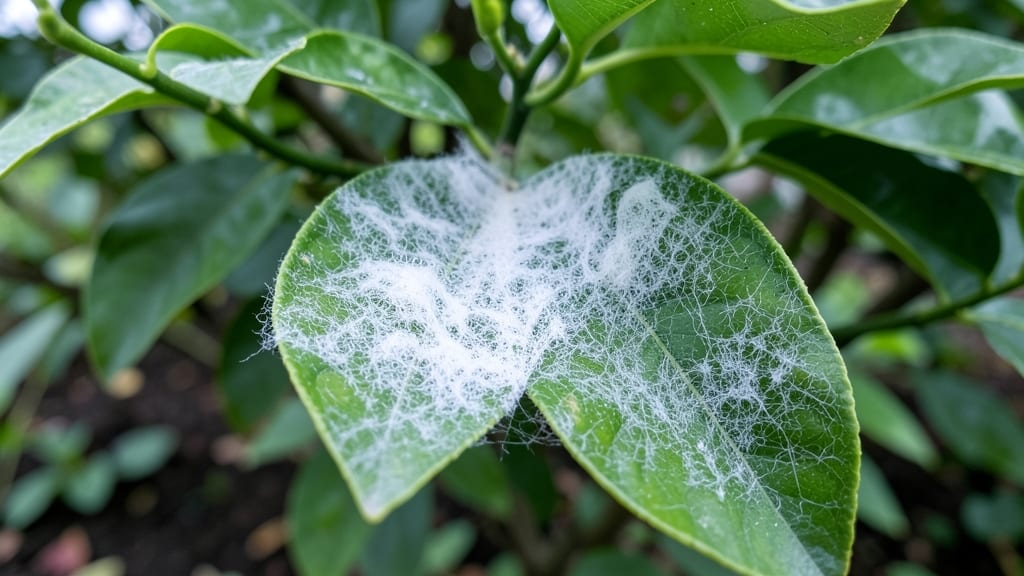
If you’ve noticed a white, fuzzy blanket on the undersides of your lemon tree’s newest leaves, you’re likely dealing with downy mildew—a sneaky fungal foe that thrives in cool, damp weather. Unlike powdery mildew, this pathogen targets tender new growth, stunting shoots and reducing fruit production before it even begins.
This fungus spreads fastest when temperatures hover between 50–75°F and humidity stays high, often appearing as a fluffy, grayish-white film on leaves. Prune infected growth immediately and improve airflow by spacing plants 3–4 feet apart. A preventive spray of baking soda solution (1 tsp baking soda + 1 tsp oil + 1 gallon water) can disrupt spores before they take hold.
Gardeners in coastal or shaded climates should monitor young leaves weekly during spring and fall—this fungus is especially aggressive on new citrus growth and can derail your harvest if ignored. 🌿
White Fungal Bloom on Lemon Tree Soil
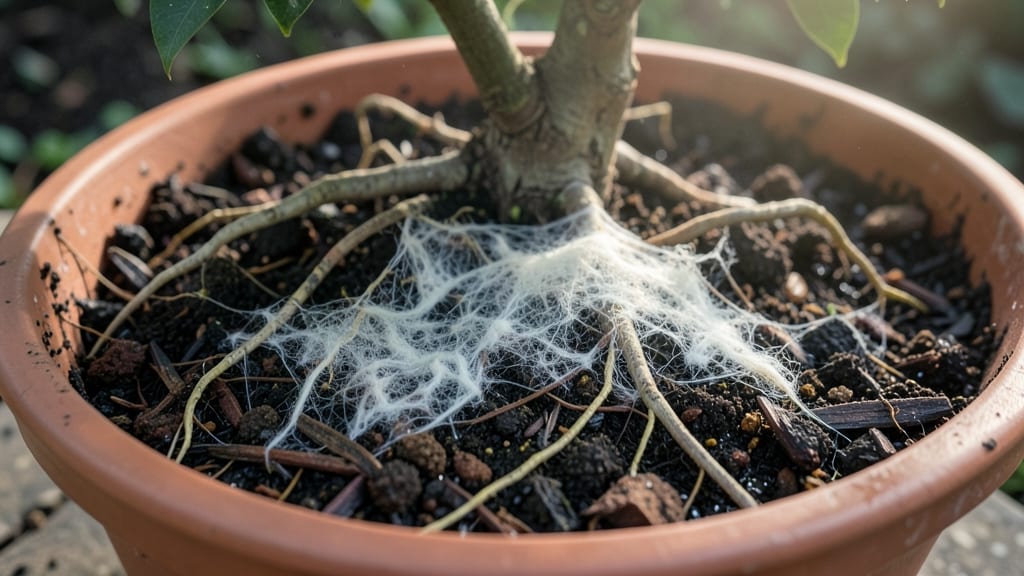
That fluffy white growth clinging to your lemon tree’s soil isn’t just unsightly—it’s a red flag for root stress. Unlike airborne fungal infections, this surface-level bloom thrives in damp, organic-rich soil, often from overwatering or decomposing mulch. If ignored, it can creep into roots, blocking nutrients and weakening your tree’s defenses.
First, test the soil moisture by sticking your finger 2-3 inches deep—if it’s soggy, reduce watering immediately. Remove any thatch or mulch buildup at the base and replace it with a 1-inch layer of coarse sand or perlite to improve drainage. For existing growth, sprinkle food-grade diatomaceous earth around the base (avoid direct contact with roots) to smother spores naturally.
This issue is especially critical for container-grown lemon trees, where poor drainage accelerates fungal spread. By addressing soil moisture and aeration, you’ll protect your tree’s roots and prevent future outbreaks. 🌱
White Mold on Lemon Tree Fruit Stems
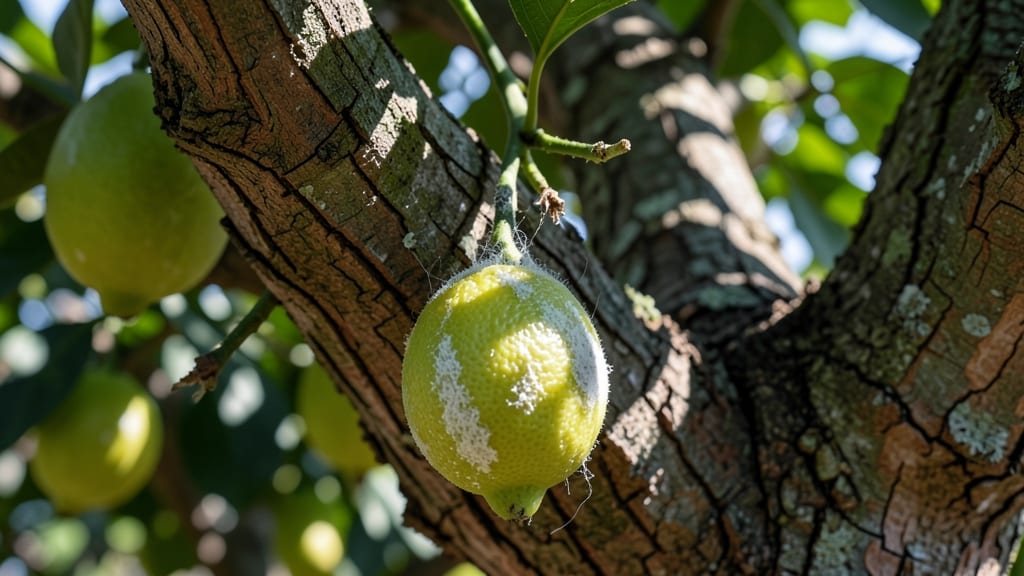
That fuzzy white growth where your lemons meet the tree isn’t just unsightly—it’s a silent harvest killer. This fruit stem mold weakens the attachment point, causing lemons to drop prematurely or develop poor flavor, yet many gardeners miss it until their yield plummets.
Look for fluffy white patches at the calyx (the stem end) that may turn brown as the fruit rots internally. Prune infected stems immediately with sterilized tools, then apply a copper fungicide spray every 7-10 days during humid seasons. Improve airflow by thinning dense foliage, as this fungus thrives in crowded, damp conditions.
Organic growers often overlook this issue because it’s hidden among healthy fruit, but catching it early can save your entire harvest. 🌱
Organic Neem Oil Treatment for White Fungus

When white fungal infections threaten your lemon tree, neem oil stands out as a powerful, all-natural weapon. Unlike harsh chemicals, this organic fungicide disrupts fungal cell membranes while being safe for humans and pets—perfect for organic gardeners and citrus lovers alike.
Mix 1 teaspoon of neem oil with 1 quart of water and a dash of mild soap (to help it stick). Spray thoroughly on both leaf surfaces and stems, focusing on areas with white fungal growth. For preventative care, apply every 2-3 weeks during humid seasons or after pruning. The active compound azadirachtin not only kills existing spores but also deters future infections.
This treatment works against powdery mildew, sooty mold, and early-stage white rust, making it a versatile solution for lemon trees struggling with multiple fungal threats. Ideal for urban gardeners and small-scale growers, neem oil keeps your tree thriving without compromising fruit safety. ✨