
Diseases
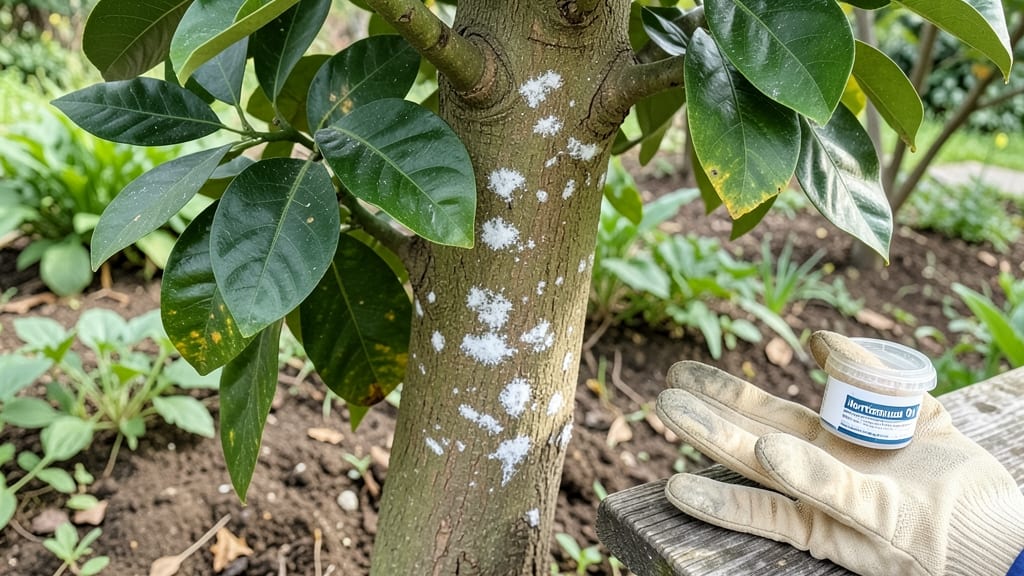
White spots creeping up your lemon tree trunk?
That’s likely powdery mildew or trunk rot, and the good news is it’s fixable—without losing your tree. ✨ I’ve dealt with this exact problem on my Meyer lemon, and with the right steps, you can restore that smooth, healthy bark in just a few weeks.
The spots start as fuzzy white patches but quickly spread if ignored, turning into dark, sunken lesions that weaken the tree’s structure. The culprit? Too much moisture trapped against the trunk, whether from poor airflow, overwatering, or even mulch piled too high.
Even worse, these infections can block nutrient flow, stunting growth and fruit production. Here’s the game-changer: scrubbing the trunk with a mix of water and neem oil, followed by a copper fungicide spray (or baking soda solution for organic gardeners).
Within 7-10 days, you’ll see new growth pushing out, and the spots will fade. The key is acting fast—before the fungus spreads to the branches. This method works for citrus trees, avocados, and even fruit trees with similar issues.
Once you’ve treated it, keep an eye on moisture levels and airflow to prevent a comeback. Your lemon tree will be back to thriving in no time.
Root Causes of Lemon Tree Spots
When you spot those puzzling white patches on your lemon tree’s trunk, it’s rarely a coincidence—it’s a sign of stress or infection. Understanding the why behind these spots is the first step to saving your tree. Below, we break down the most common culprits, backed by science and actionable insights.
Fungi like Oidium (powdery mildew) or Cercospora thrive in warm, humid conditions and can colonize citrus bark, creating fuzzy white or grayish spots. These pathogens don’t just discolor—they weaken the tree’s vascular system, blocking nutrient flow.
- How it starts: Spores land on the trunk (often from infected leaves or soil) and germinate when humidity exceeds 70% for prolonged periods.
- Red flag: Spots may appear downy or powdery, and the tree may show stunted growth or yellowing leaves.
- Why it spreads: Fungal hyphae (thread-like structures) penetrate the bark’s outer layer, creating a network that resists natural defenses.
💡 Pro Tip: Check the underside of leaves—if they’re also dusted with white, fungal infection is likely the culprit.
Sap-sucking pests like scale insects or mealybugs excrete sticky honeydew, which attracts sooty mold—a black or white fungal growth that coats the trunk. While the mold itself isn’t harmful, it’s a symptom of a deeper pest problem.
- How it starts: Pests pierce the bark to feed, injecting toxins that stress the tree. The honeydew they produce creates a sugary film, perfect for mold colonization.
- Red flag: Look for cottony white clumps (mealybugs) or brown shell-like bumps (scale) near the spots.
- Why it spreads: Weakened bark from pest feeding makes the tree vulnerable to secondary infections.
🔥 Warning: If left untreated, pest-damaged trees can lose up to 50% of their photosynthetic capacity within a season.
Extreme temperature swings, poor air circulation, or overwatering create the perfect storm for white spot development. The trunk’s protective bark can crack or soften, inviting pathogens or beneficial microbes to overgrow.
| Stressor | How It Causes Spots | Fix It |
|---|---|---|
| Overwatering | Soggy bark stays damp, promoting fungal growth (e.g., Phytophthora). | Improve drainage; water only when the top 2" of soil is dry. |
| Poor Airflow | Humidity clings to the trunk, encouraging powdery mildew spores to thrive. | Prune dense branches; space trees 6–8 feet apart. |
| Sun Scorch | Sudden heat can bleach bark, creating white patches (not fungal, but still harmful). | Provide afternoon shade with a shade cloth (30–50%). |
✨ Key Insight: Healthy bark is your tree’s first line of defense—stress weakens it, making spots more likely.
Overuse of copper-based fungicides or harsh fertilizers (like those high in nitrogen) can disrupt the bark’s microbiome, leading to white, crusty deposits. These aren’t infections but a sign of chemical burn or nutrient imbalance.
- How it starts: Residual copper salts or salt buildup from fertilizers alter the bark’s pH, causing efflorescence (white mineral deposits).
- Red flag: Spots may look chalky or flaky, with no fungal growth visible under a magnifying glass.
- Why it spreads: Imbalanced soil chemistry stresses the tree, making it susceptible to actual infections afterward.
🎯 Prevention Tip: Always flush soil with water after applying copper sprays to avoid buildup.
Fixing White Spots on Your Lemon Tree
Now that you know the likely causes behind those pesky white spots on your lemon tree’s trunk—whether it’s powdery mildew, bacterial scab, or even lichen—let’s tackle them with practical, step-by-step solutions.
The good news? Most of these issues are manageable with the right care. Below, we’ll map out cause-specific fixes, along with prevention tips to keep your tree thriving.
1. Powdery Mildew: The Fluffy White Foe
If the spots look like talcum powder dust and spread across leaves or bark, powdery mildew is likely the culprit. This fungal infection thrives in humid, shaded conditions and can weaken your tree if left unchecked.
How to Treat It: 🔥 Prune for Better Airflow
- Remove overlapping branches or dense foliage to improve circulation. Use sterilized pruners (wipe with rubbing alcohol) to avoid spreading spores.
- Thin out leaves near the trunk where humidity lingers.
🍳 Apply Fungicidal Sprays (Organic or Chemical) - Neem oil spray (1 tsp neem oil + 1 tsp mild soap + 1 quart water): Spray early morning or evening to avoid burning leaves.
Reapply every 7–10 days until symptoms fade. - Baking soda solution (1 tbsp baking soda + 1 quart water + a few drops of soap): Lightly spray on affected areas. Test on a small leaf first! - Chemical fungicides (like sulfur-based sprays or copper fungicide): Follow label instructions for safety.
👨🍳 Adjust Growing Conditions
- Water at the base (avoid wetting leaves) and water early in the day so foliage dries quickly.
- Space trees 3–4 feet apart to reduce humidity buildup.
- Reflect sunlight with a white reflective mulch or light-colored paint on the trunk to deter fungal growth.
💡 Prevention Tip: Mulch properly with gravel or straw (not wood chips) to keep the base dry and discourage spores.
2. Bacterial Scab: The Stubborn White Crust
If the spots are raised, crusty, and ooze when wet, bacterial scab is likely. This bacterial infection often appears after rain or overhead watering and can spread rapidly.
How to Treat It: 🔪 Remove Infected Bark
- Scrape off dead or crusty spots with a sterilized knife or sandpaper. Dispose of debris in a sealed bag (do not compost).
- Avoid damaging healthy tissue—just target the white, scabby patches.
⏰ Use Copper-Based Bactericides
- Spray with a copper fungicide (like Copper Soap) every 2–3 weeks during wet seasons. Copper disrupts bacterial cell walls.
- Avoid neem oil—it’s ineffective against bacteria.
🌡️ Improve Drainage & Reduce Moisture
- Repot if needed into a well-draining mix (add perlite or sand).
- Water deeply but infrequently—let the top 1–2 inches of soil dry between waterings.
- Avoid overhead irrigation; use a drip system instead.
🎯 Prevention Tip: Sterilize tools after pruning to prevent spreading bacteria to other plants.
3. Lichen: The Harmless but Unsightly Guest
If the white spots are flat, velvety, and don’t spread aggressively, you’re likely dealing with lichen—a symbiotic organism (fungus + algae) that thrives in moist, shaded environments.
Unlike mildew or scab, lichen doesn’t harm your tree but can indicate poor airflow.
How to Remove It: 🧼 Gentle Scrubbing
- Use a soft brush or sponge with mild soapy water to wipe away lichen. Avoid harsh scrubbing, which can damage bark.
- For stubborn patches, vinegar spray (1:1 water-vinegar mix) can help dissolve it.
✨ Boost Sunlight & Airflow
- Trim nearby plants to allow more sunlight to reach the trunk.
- Paint the trunk with white latex paint (diluted) to reflect sunlight and deter future growth.
💡 Prevention Tip: Keep the area around the trunk clean—remove fallen leaves and debris where lichen spores can take hold.
No matter the cause, these universal tips will help keep your lemon tree healthy:
- Inspect regularly (once a week) for early signs of spots or discoloration.
- Avoid overhead watering—use drip irrigation or a watering can with a narrow spout.
- Disinfect tools after pruning with rubbing alcohol or bleach solution (1:10 bleach:water).
- Fertilize moderately—too much nitrogen can weaken the tree’s defenses.
- Repot every 2–3 years to refresh soil and improve drainage.
By addressing the root cause (literally!) and adjusting your care routine, your lemon tree should bounce back with stronger, spot-free bark in no time. 🍋✨ Stay proactive, and your citrus tree will reward you with juicy lemons for years to come!
Frequently asked questions
Are white spots on my lemon tree trunk always harmful?
Not always! While powdery mildew or bacterial scab are serious, some white spots could be harmless lichen or mineral deposits from fertilizer. Check texture: fuzzy spots = fungus; flat, velvety patches = likely lichen. If in doubt, treat conservatively with neem oil first.
How quickly can white spots spread if I ignore them?
Fungal spots can spread rapidly—within 2-3 weeks—especially in humid conditions. Bacterial scab may take longer (4-6 weeks) but becomes harder to treat. The key is acting fast: scrub affected areas immediately and apply fungicide within 48 hours of noticing new spots.
Will pruning help prevent white spots from returning?
Pruning improves air circulation—the #1 defense against fungal growth. Thin out dense branches and remove any leaves touching the trunk. Also, prune in dry weather (never when leaves are wet) to prevent spreading spores. Sterilize your tools with rubbing alcohol between cuts!
Can I use household items like vinegar to treat white spots?
Yes, but with caution! A 1:1 water-vinegar mix works for lichen removal but may harm the tree if overused. For fungal spots, try baking soda spray (1 tbsp baking soda + 1 quart water + soap) instead—it’s gentler on bark. Always test on a small area first and avoid using vinegar on open wounds.
My lemon tree has white spots AND sticky residue—what’s happening?
That sticky residue is honeydew from sap-sucking pests like mealybugs or scale, which attracts sooty mold (the white spots). First, wipe the trunk with soapy water to remove honeydew, then treat with insecticidal soap or neem oil. The spots will fade once the pests are gone!