
Trees
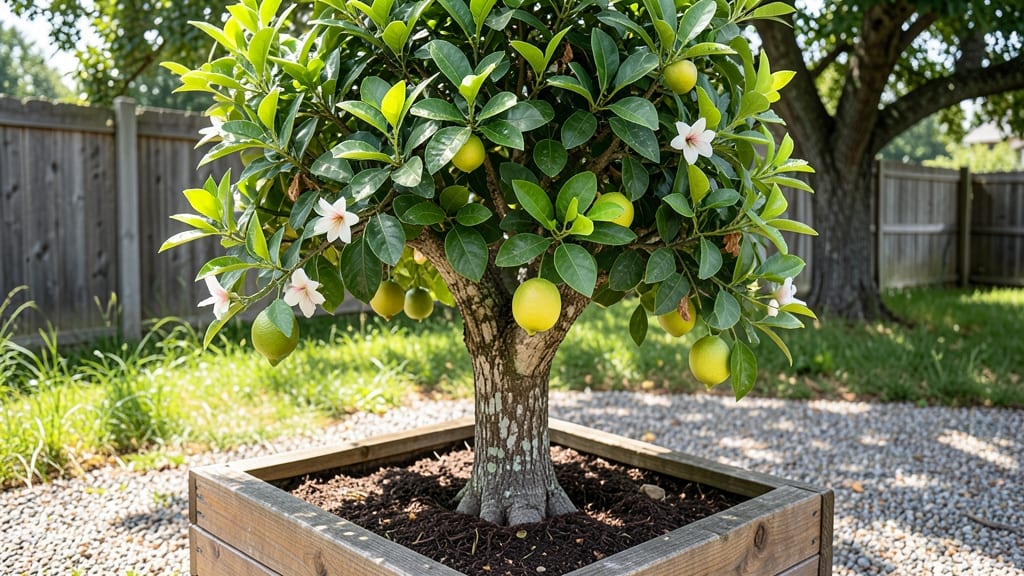
Your Meyer lemon tree dropping leaves doesn’t mean it’s dying—it’s just asking for help. 🌿 I’ve nursed back more than a few of these citrus darlings from leaf loss, and the fixes are simpler than you’d think.
The key is figuring out whether your tree is thirsty, overwatered, stressed, or battling pests.
Start by checking the soil: if it’s bone-dry 2 inches down, underwatering’s the culprit. But if it’s soggy and smells musty, you’re drowning the roots. Yellow leaves with brown edges?
Too much sun or salt buildup. Pests like spider mites leave tiny webs and speckled leaves—just a quick wipe-down with soapy water fixes that.
Once you identify the issue, the solutions are straightforward: adjust your watering schedule, trim dead branches, or give the tree a nutrient boost with citrus-specific fertilizer.
Within 3-4 weeks, you’ll see fresh green leaves pushing out, and your tree will be back to producing those sweet, fragrant lemons you love.
Prevention is easy: stick to a consistent watering routine, keep the tree in bright but indirect light, and monitor for pests every few weeks. Indoor trees need extra humidity—try a pebble tray or occasional misting. With these tweaks, your Meyer lemon will thrive year-round.
Root Causes Behind Leaf Loss
Understanding why your Meyer lemon tree is dropping leaves starts with identifying the stress triggers it faces. These citrus trees are resilient but sensitive to specific conditions—when disrupted, they shed leaves as a survival mechanism.
Below, we break down the most common culprits, their scientific roots, and what they mean for your tree’s health.
Meyer lemon trees (Citrus × meyeri) thrive in USDA Hardiness Zones 9–11, where temperatures hover between 60–85°F (15–30°C). When exposed to extremes—whether frost, heatwaves, or sudden cold snaps—they react by dropping leaves to conserve energy.
- Cold Stress (Below 30°F/-1°C): Citrus trees are semi-tropical and lack cold-hardiness genes. When temperatures dip, cell membranes in leaves rupture, causing chlorosis (yellowing) before detachment. Even a light frost can trigger this response, as the tree prioritizes root and branch survival over foliage.
- Heat Stress (Above 95°F/35°C): Prolonged heat causes transpiration stress—roots can’t absorb enough water to replace what’s lost through leaf pores. This leads to wilting, browning edges, and premature leaf drop. High humidity worsens the issue by trapping heat near the canopy.
- Windburn & Evaporative Loss: Strong winds dry out leaves faster than roots can replenish moisture. This is especially problematic in coastal or arid regions, where salt spray or dry air further dehydrate the tree.
💡 Pro Tip: If your tree is outdoors in a marginal climate, move it to a sheltered spot (like near a south-facing wall) or use frost cloth in winter. For indoor trees, avoid drafty areas near AC vents or heaters.
Meyer lemons hate soil moisture extremes—both drought and waterlogging stress the roots, leading to leaf drop.
- Underwatering (Drought Stress): When soil dries out, root pressure drops, and the tree abscises (sheds) leaves to reduce water loss.
Look for: - Crispy, brown leaf edges (early sign of dehydration). - Leaves curling inward (a protective response to conserve moisture). - Soil pulling away from the pot (indicates severe dryness).
⚠️ Warning: Citrus trees prefer consistent moisture—let the top 1–2 inches of soil dry before watering, but never let it bone-dry.
- Overwatering (Root Rot Risk): Soggy soil cuts off oxygen to roots, causing anaerobic bacteria (Pythium or Phytophthora) to thrive.
Infected roots can’t absorb nutrients, leading to: - Yellowing leaves with brown, mushy stems (classic rot symptom). - Leaves dropping even when soil is wet (the tree’s last-ditch effort to survive).
🌱 Fix: Use a well-draining potting mix (50% cactus/succulent soil + 50% perlite) and water only when the top 1–2 inches are dry. Ensure pots have drainage holes—no exceptions!
Meyer lemons are sun-loving plants but burn easily when exposed to intense midday rays without acclimation.
- Sunburn (Leaf Scorch): Direct 10+ hours of full sun (especially in hot climates) causes photoxidative damage. Affected leaves develop:
- White or grayish patches (dead tissue from UV damage).
- Premature browning and drop as the tree sheds damaged foliage.
- Leggy Growth & Shady Stress: If your tree isn’t getting at least 6–8 hours of sunlight, it stretches toward light, producing weak, yellowing leaves that eventually drop. This is due to:
- Chlorophyll breakdown (leaves can’t photosynthesize efficiently).
- Weak stem structure (leaves become unsupported and fall).
🔥 Quick Fix: If your tree is indoors, place it near a south- or west-facing window. Outdoors? Gradually introduce sunlight (acclimate over 1–2 weeks) to avoid shock.
Hidden invaders sap moisture and nutrients from leaves, forcing the tree to shed them. Common culprits:
| Pest/Pathogen | Signs | Why It Causes Leaf Drop |
|---|---|---|
| Spider Mites | Fine webbing, stippled leaves | Pierce cells, causing desiccation and leaf death. |
| Scale Insects | Sticky residue (honeydew), black soot mold | Suffocate leaves by blocking sunlight and clogging pores. |
| Root-Knot Nematodes | Stunted growth, yellowing (not just leaves) | Damage roots, reducing water/nutrient uptake. |
| Fungal Leaf Spot | Dark spots with yellow halos | Weakens leaf structure, leading to premature drop. |
🛡️ Defense Plan:
- Inspect leaves weekly (especially undersides) for pests.
- Spray with neem oil (1 tsp per quart of water) for mites/scale.
- Repot in sterile soil if nematodes are suspected (add beneficial fungi like Trichoderma to outcompete them).
Meyer lemons are heavy feeders and need balanced nutrients to retain leaves. Deficiencies trigger drop-off:
- Nitrogen (N) Deficiency:
- Symptoms: Older leaves turn yellow (but veins stay green).
- Why? Nitrogen fuels chlorophyll production—without it, leaves can’t photosynthesize and fall.
- Iron (Fe) Chlorosis:
- Symptoms: Yellow leaves with green veins (common in alkaline or compacted soil).
- Why? Iron becomes unavailable in high-pH soils (>7.0), starving the tree.
- Potassium (K) Shortage:
- Symptoms: Brown, crispy leaf edges (even if soil is moist).
- Why? Potassium regulates water balance—without it, leaves plasma membranes leak, causing drop.
🍽️ Fertilizer Fix:
- Use a balanced citrus fertilizer (e.g., 6-6-6 or 8-3-9) every 4–6 weeks in growing season.
- For chlorosis, apply chelated iron (like Ironite) and lower soil pH with sulfur or peat moss.
- Avoid over-fertilizing—salty buildup (from excess salts) burns roots, worsening leaf drop.
Quick Fixes for Reviving Your Tree
Now that you know why your Meyer lemon tree might be shedding leaves, it’s time to take action! The good news? Most issues are fixable with targeted care. Below, we’ve mapped out practical solutions for each common cause, along with prevention tips to keep your tree thriving.
Let’s get your lemon tree back to its lush, leafy self—fast!
If your tree’s roots are drowning, it’s time to improve airflow and water control.
🔥 Step 1: Check the Soil
- 👨🍳 Dig a small hole (2–3 inches deep) near the base of the tree.
- 🥘 Stick your finger in—if the soil feels soggy or smells like rot, overwatering is the culprit.
🔪 Step 2: Adjust Your Watering Routine
- ⏰ Water only when the top 1–2 inches of soil are dry (stick your finger in to test).
- 💡 Pro Tip: Meyer lemons hate “wet feet.”
Ensure pots have drainage holes, and use a well-draining soil mix (cactus/succulent mix works well).
🌡️ Step 3: Improve Drainage (If Potted)
- 📊 Repot if needed into a slightly larger container with fresh, sandy or gritty soil.
- ✨ Add perlite or pumice (20–30%) to existing soil to boost aeration.
🎯 Prevention:
- 💡 Use a moisture meter for accuracy.
- 🌧️ Water deeply but less frequently—better to underwater slightly than drown roots.
If leaves are crispy or wilting, your tree is thirsty but not getting enough water.
🔥 Step 1: Deep Watering Technique
- 👨🍳 Water slowly at the base until it drains from the bottom (for potted trees).
- 🥘 For in-ground trees, water 2–3 times per week in dry climates (more in summer).
🔪 Step 2: Mulch to Retain Moisture
- 🌱 Spread 2–3 inches of organic mulch (straw, wood chips) around the base (keep it 6 inches away from the trunk).
- 💡 Pro Tip: Mulch insulates roots, reducing evaporation.
🌡️ Step 3: Mist Leaves (Temporarily)
- 💦 Lightly mist leaves in extreme heat to prevent dehydration (but avoid soggy soil).
- ✨ Avoid overhead watering—it can encourage fungal issues.
🎯 Prevention:
- 📊 Install a drip irrigation system for consistent moisture.
- 🌧️ Monitor weather—adjust watering during heatwaves.
Yellowing leaves (especially older ones) often signal lack of nitrogen, iron, or magnesium.
🔥 Step 1: Test Your Soil
- 👨🍳 Use a soil test kit (available at garden centers) to identify deficiencies.
- 🥘 Common deficiencies in Meyer lemons:
- Yellow between veins? → Iron (Fe) deficiency (chlorosis).
- Yellow edges? → Potassium (K) or magnesium (Mg) deficiency.
🔪 Step 2: Apply the Right Fertilizer
| Deficiency | Solution | How to Apply |
|---|---|---|
| Nitrogen (N) | Balanced citrus fertilizer (6-6-6 or 8-3-9) | Feed every 4–6 weeks in growing season |
| Iron (Fe) | Chelated iron supplement (e.g., Iron Chelate) | Spray on leaves or add to soil |
| Magnesium (Mg) | Epsom salt (magnesium sulfate) | 1 tbsp per gallon of water, monthly |
| Zinc (Zn) | Zinc sulfate or a micronutrient blend | Follow package instructions |
🌡️ Step 3: Improve Soil Health
- 💡 Mix in compost (10–20%) to boost organic matter.
- ✨ Avoid over-fertilizing—too much salt can burn roots.
🎯 Prevention:
- 📊 Fertilize regularly (spring to fall) with a citrus-specific formula.
- 🌱 Rotate fertilizers to prevent buildup of one nutrient.
If leaves are scorched, curled, or dropping after sudden heat or cold, your tree is struggling with temperature shock.
🔥 Step 1: Adjust Sun Exposure
- 👨🍳 Move potted trees to partial shade (morning sun, afternoon shade) if leaves are bleached.
- 🥘 For in-ground trees, plant in a sheltered spot (e.g., near a wall or fence for winter protection).
🔪 Step 2: Protect from Cold Snaps
- ⏰ Before frost, cover young trees with frost cloth or a lightweight blanket.
- 💡 Pro Tip: Never let soil freeze—mulch heavily in winter.
🌡️ Step 3: Acclimate Gradually
- ✨ If moving trees, harden them off slowly (1–2 hours of sun/day, increasing over a week).
- 🎯 Avoid sudden temperature swings (e.g., moving from indoors to full sun).
🎯 Prevention:
- 📊 Choose the right location—Meyer lemons thrive in USDA Zones 9–11 (or grow in containers and bring indoors in winter).
- 🌧️ Use shade cloth (30–50%) in peak summer if in hot climates.
If you spot bugs, mold, or unusual spots, act fast to prevent spread.
🔥 Step 1: Identify the Problem
| Symptom | Likely Culprit | Quick Fix |
|---|---|---|
| Sticky residue | Aphids, scale insects | Spray with neem oil or insecticidal soap |
| Holes in leaves | Spider mites, thrips | Wipe leaves with soapy water; release predatory mites |
| Black spots/fungus | Powdery mildew, root rot | Prune infected leaves; apply copper fungicide |
| Wilting + oozing sap | Bacterial infection | Remove infected branches; sterilize pruners |
🔪 Step 2: Apply Organic Treatments
- 👨🍳 Neem oil spray (1 tsp neem oil + 1 tsp mild soap + 1 quart water) – spray every 7–10 days.
- 🥘 Diatomaceous earth (food-grade) – sprinkle on soil for crawling pests (reapply after rain).
- 💡 Pro Tip: Isolate infected trees to prevent spreading.
🌡️ Step 3: Improve Airflow
- ✨ Prune overcrowded branches to increase airflow.
- 🎯 Avoid overhead watering to reduce humidity (which fuels fungus).
🎯 Prevention:
- 📊 Inspect leaves weekly (especially undersides).
- 🌱 Encourage beneficial insects (ladybugs, lacewings) with native plants.
If your tree dropped leaves after repotting or moving, it’s adjusting to stress.
🔥 Step 1: Keep Conditions Stable
- 👨🍳 Avoid fertilizing for 4–6 weeks
Frequently asked questions
Why does my Meyer lemon tree drop leaves in winter?
Meyer lemon trees naturally shed some leaves in winter due to dormancy and temperature drops below 50°F (10°C). This is normal, but excessive leaf loss (over 20%) may signal cold stress. Use frost cloth for protection during freezes and keep soil slightly moist but not soggy.
How often should I water a Meyer lemon tree after it loses leaves?
Water only when the top 2 inches of soil are completely dry—overwatering stressed trees accelerates root rot. For potted trees, check soil moisture daily in extreme heat. Use lukewarm water to avoid shocking roots. Reduce watering by 30% if leaves are still yellowing.
Can I save my Meyer lemon tree if all leaves are gone?
Yes! Even with no leaves, the tree can regrow if the roots and branches are healthy. Prune dead wood, repot if needed, and fertilize lightly with half-strength citrus fertilizer. Keep it in bright light (not direct sun) and maintain 60–70% humidity with a pebble tray. New leaves should appear in 4–6 weeks.
What’s the difference between normal leaf drop and disease?
Normal drop happens gradually (a few leaves at a time) with no other symptoms. Disease-related drop is sudden, accompanied by black spots, sticky residue (honeydew), or mushy stems. Check for pests (like spider mites) or fungal growth. If you see yellowing between veins, it’s likely iron deficiency or root rot.
Should I prune my Meyer lemon tree when it’s dropping leaves?
Prune only dead or diseased branches—never more than 25% of the tree at once. Healthy leaves are essential for photosynthesis, even if sparse. Wait until new growth appears (usually 2–3 weeks) before trimming. Sterilize pruners with rubbing alcohol to prevent infections.