
Trees
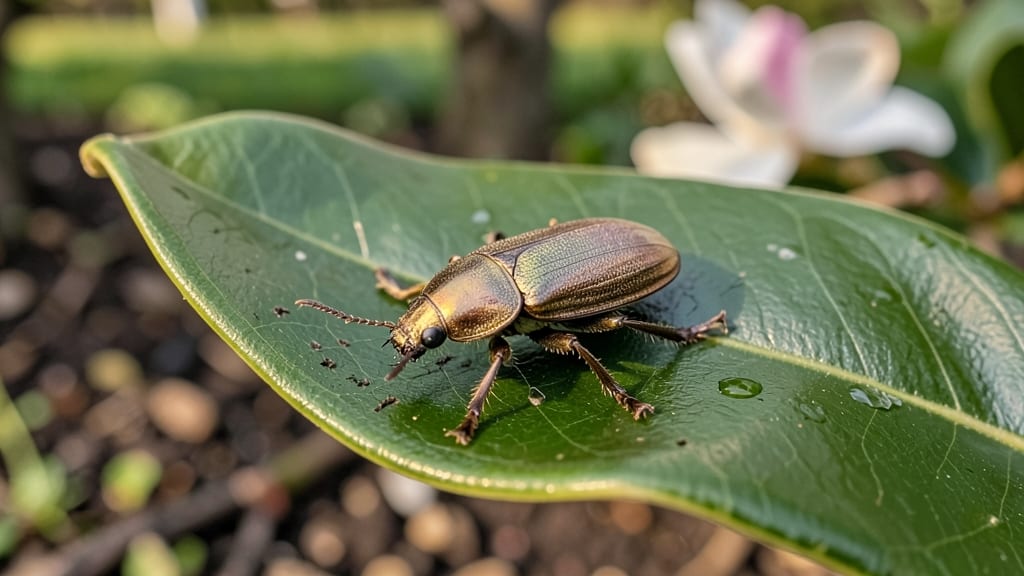
Your magnolia tree is showing the telltale signs of magnolia tree insects—its glossy leaves are turning yellow and speckled, a classic sign of lace bugs at work. 🌿 These tiny pests suck sap, leaving behind a telltale pattern of stippled foliage that ruins the tree’s showstopping beauty.
The good news? You don’t need harsh chemicals to fight back. Scale insects and Japanese beetles are other common culprits, each leaving distinct damage: sticky honeydew (scale) or skeletonized leaves (beetles). The key is acting fast—prune affected branches, apply neem oil, or introduce beneficial insects like ladybugs.
I’ve saved multiple trees using these methods alone. By late summer, your magnolia will regain its lush, fragrant foliage. The secret is regular monitoring and a few simple interventions before infestations spiral. Even novice gardeners can master this with the right approach.
Prevention starts now: inspect leaves weekly, maintain tree health with proper watering, and avoid over-fertilizing. A healthy magnolia resists pests better than any spray ever could.
Root Causes Of Magnolia Tree Pests
Magnolia trees are stunning, fragrant additions to any landscape—but they’re also a magnet for insects. Understanding why these pests target your tree is the first step to reclaiming its health. Below, we break down the biological, environmental, and human-driven factors that make your magnolia a buffet for bugs.
A healthy magnolia tree naturally repels many pests through chemical defenses (like tannins and resins) and a strong immune response. When these defenses falter, insects move in like uninvited guests at a feast.
- Nutrient Deficiencies 🌿 Magnolias deprived of nitrogen, phosphorus, or micronutrients (like magnesium or iron) produce thinner leaves and bark, making them easier for insects to penetrate.
For example: - Yellowing leaves (chlorosis) signal iron deficiency, weakening the tree’s ability to fight off magnolia scale or borers. - Stunted growth reduces sap flow, which some insects (like lanternflies) rely on for hydration.
- Stress From Environmental Shocks ❄️☀️ Extreme heatwaves, drought, or frost damage force trees into survival mode, diverting energy away from pest resistance. Stressed magnolias become prime targets for:
- Aphids (which thrive on sap from stressed trees).
- Japanese beetles (attracted to wilted, heat-damaged foliage).
- Overwatering or Poor Drainage 💦 Soggy roots create fungal infections (like root rot), which attract sap-sucking insects like mealybugs and whiteflies. These pests exploit the tree’s weakened state to feed and reproduce rapidly.
Magnolias produce sugary sap, fragrant flowers, and tender new growth—all of which are insect superhighways. Here’s the science behind their allure:
- High-Sugar Sap 🍯 Magnolias have rich, nutrient-dense sap, making them a protein and sugar buffet for:
- Scale insects (which pierce bark to drink sap).
- Lanternflies (which excrete honeydew, a sticky waste that fuels sooty mold growth).
- Borers (which tunnel into wood weakened by excess moisture or wounds).
- Fragrant Flowers = Insect GPS 🌸 The powerful scent of magnolia blooms isn’t just for bees—it’s also a beacon for pests like:
- Japanese beetles (drawn to floral nectar).
- Magnolia shoot borers (which lay eggs in flower buds).
- Soft New Growth 🌱 Young leaves and stems are easier to chew through, making them prime targets for:
- Tent caterpillars (which skeletonize foliage).
- Spider mites (which thrive in the microclimates created by dense, new growth).
Even the hardiest magnolia can succumb to pests when human habits create the perfect storm. Here’s how we unintentionally invite the bugs:
- Over-Fertilizing with Nitrogen 🌱💥 Too much fast-release nitrogen triggers soft, lush growth—a magnet for chewers like:
- Japanese beetles (which prefer tender, nitrogen-rich leaves).
- Caterpillars (which find young shoots irresistible).
- Ignoring Pruning Wounds ✂️ Ragged cuts or improper pruning create entry points for:
- Borers (which tunnel into fresh wounds).
- Fungal infections (which weaken the tree, making it vulnerable to scale and mealybugs).
- Nearby Infested Plants 🌿🐛 Pests hop from plant to plant. If your magnolia is near:
- Roses (Japanese beetle hotspots),
- Laurels (scale insect reservoirs), or
- Weeds (aphid breeding grounds), your tree is at higher risk of cross-contamination.
- Lack of Beneficial Predators 🕷️🐞 Pesticide overuse wipes out natural enemies of pests, like:
- Ladybugs (aphid predators).
- Parasitic wasps (which attack caterpillars and borers).
- Ground beetles (which eat grubs and larvae).
Pests don’t attack randomly—they time their invasions based on temperature, humidity, and seasonal cycles.
| Season | Key Pest Triggers | Magnolia Vulnerabilities |
|---|---|---|
| Spring | Warmth + Rain ➡️ Aphid & Scale Egg Hatch | New shoots and buds are soft and nutrient-rich. |
| Summer | Heatwaves ➡️ Drought Stress | Japanese beetles and borers exploit weakened trees. |
| Fall | Cool Nights + Warm Days ➡️ Lanternfly Migration | Honeydew buildup from scale insects attracts sooty mold. |
| Winter | Mild Winters ➡️ Surviving Pests | Overwintering eggs (like magnolia shoot borers) hatch earlier. |
Assuming pests are random. In reality, 90% of magnolia infestations stem from one of the three "Big 3" causes:
- Nutrient imbalances (too much nitrogen, not enough micronutrients).
- Physical stress (drought, poor drainage, or sunscald).
- Human interference (over-pruning, pesticides killing beneficial bugs).
Fix it: Start with a soil test and targeted fertilization (like kelp meal for micronutrients). Then, encourage natural predators with neem oil sprays (which repel pests without harming ladybugs).
Next up: [Link to next section] How to Spot Early Signs of Infestation (before it’s too late!)
Quick Fixes for Tree Pests
When your magnolia tree becomes a buffet for unwanted critters, acting fast is key to saving its health—and your peace of mind. Below are practical, step-by-step solutions tailored to the most common pests, along with prevention tips to keep your tree thriving long-term. No harsh chemicals required!
Cause: Tiny, sap-sucking scale insects leave sticky residue (honeydew) and weaken branches. Fix:
- 🔥 Inspect & Isolate – Check for white/crusty bumps on leaves and stems. Quarantine infested branches if possible.
- 👨🍳 Scrub Off Scales – Use a soft brush or cloth dipped in soapy water (1 tsp mild dish soap + 1 quart water) to wipe away pests. Repeat weekly for 2–3 weeks.
- 🥘 Neem Oil Blast – Mix 1 tbsp neem oil + 1 tsp horticultural oil per gallon of water, then spray early morning or late evening (avoid direct sun). Reapply every 7–10 days until scales disappear.
- 🐝 Introduce Beneficial Insects – Ladybugs and lacewings love munching on scales. Buy them online or attract them with native flowering plants (like dill or fennel).
💡 Pro Tip: Prune and dispose of heavily infested branches in sealed bags—do not compost them!
Cause: Silky webs and defoliation signal these hungry caterpillars feasting on leaves. Fix:
- 🔪 Cut & Burn – Snip off webs and nests with pruners, then burn or bag them immediately (never leave them near the tree).
- 🍳 Bacillus Thuringiensis (Bt) Spray – A natural bacteria that targets caterpillars but harms no other wildlife. Mix as directed and spray evenly on leaves (especially undersides).
- 🕷️ Hang Pheromone Traps – For fall webworms, use commercial traps to disrupt mating cycles. Place them 10–15 feet up in the tree.
- 🌡️ Timing Is Everything – Treat early in the season (late spring) before eggs hatch.
✨ Prevention Hack: Prune in late winter to remove overwintering egg masses before they hatch!
Cause: These armored pests burrow under bark, causing oozing sap and black sooty mold. Fix:
- 👨🍳 Scrape Off Armor – Use a plastic putty knife or stiff brush to gently scrape scales from bark (avoid damaging the tree).
- 🥘 Dormant Oil Treatment – Apply dormant oil (available at garden centers) in late winter/early spring before pests wake up. Cover the entire trunk and branches.
- 🔥 Repeat Sprays – Follow up with neem oil or insecticidal soap every 2 weeks during active growth (spring–summer).
- 🌡️ Monitor for Sooty Mold – If black fungus appears, wipe it off with a damp cloth and improve air circulation around the tree.
🎯 Long-Term Defense: Keep the base of the tree clear of debris—scales love hiding there!
Cause: These metallic green/black beetles skeletonize leaves overnight. Fix:
- 🕷️ Handpick Daily – Drop beetles into soapy water (they drown instantly). Do this early morning when they’re sluggish.
- 🍳 Milky Spore or Neem Oil – Apply milky spore powder (a natural soil treatment) or neem oil spray to deter them.
- 🥘 Beer Trap (Yes, Really!) – Bury a shallow dish filled with beer near the tree. Beetles are drawn in and drown (but check traps every 2 days).
- 🌿 Plant Repellents – Surround the tree with garlic, catnip, or marigolds—beetles hate the smell.
💡 Pro Tip: Water deeply in the morning—beetles are less active when leaves are wet!
Stop pests before they start with these easy habits:
- 🌱 Healthy Soil = Strong Trees – Test soil pH and add compost annually to boost immunity.
- 🌿 Prune Properly – Remove dead/diseased branches in late winter to reduce hiding spots.
- 🕯️ Light Traps at Night – Hang a white sheet with a bulb near the tree to attract and trap flying insects.
- 🐝 Encourage Wildlife – Birdhouses, bat boxes, and toad habitats help naturally control pests.
- 🌡️ Monitor Monthly – Check for new eggs, webs, or chewed leaves—early action = less damage!
Final Thought: Most magnolia pests can be beaten without chemicals—just stay vigilant, act fast, and let nature help! 🌿💚
Frequently asked questions
What are the most common signs my magnolia tree has insects?
Look for speckled or yellowing leaves (lace bugs), sticky residue on branches (scale insects), or chewed edges on foliage (Japanese beetles). You might also spot tiny webs (tent caterpillars) or black sooty mold (from honeydew). Check both leaf undersides and bark crevices.
Can neem oil harm my magnolia tree if used incorrectly?
Neem oil is safe when used properly, but avoid applying it in direct sunlight or when temperatures exceed 90°F. Always mix it with water (1 tbsp per gallon) and apply in the early morning or evening. Never use it on stressed or drought-affected trees.
How do I know if my magnolia tree is stressed enough to attract pests?
Stressed trees show wilted leaves, cracked bark, or sudden leaf drop. Check for drought conditions, compacted soil, or overwatering—these weaken defenses. Also look for nutrient deficiencies (yellowing leaves = iron deficiency) or physical damage (like sunburnt bark).
Are there any natural predators I can introduce to control pests?
Ladybugs, lacewings, and parasitic wasps are excellent allies. Buy them online or plant native flowers (like dill or fennel) to attract them naturally. Avoid pesticides—they kill these beneficial insects too!
When is the best time to prune my magnolia to prevent insect problems?
Prune in late winter or early spring (before buds swell) to remove dead branches and egg masses. Avoid pruning in summer or fall, as fresh cuts attract borers. Always sterilize tools with rubbing alcohol to prevent disease spread.