
Pruning
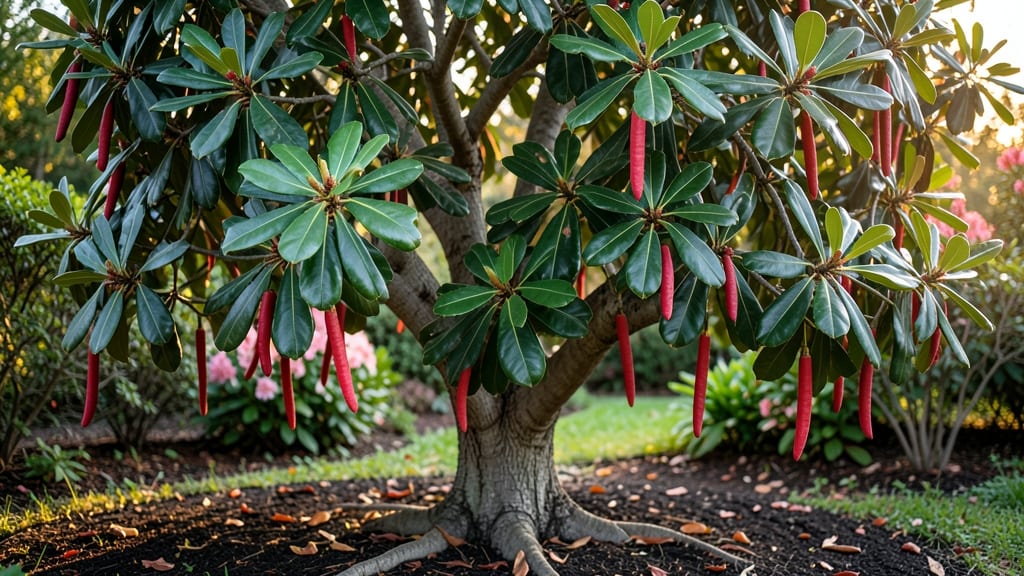
Those striking red berries on your magnolia aren’t just pretty—they’re a sign of a healthy tree. ✨ Pruning magnolias to boost berry production means timing cuts right and knowing which branches to keep.
I’ve learned the hard way that aggressive pruning in the wrong season can kill next year’s berries entirely.
Most berry-bearing magnolias like Southern Magnolia (Magnolia grandiflora) or Star Magnolia (Magnolia stellata) thrive with 3-5 hours of morning sun and well-draining, slightly acidic soil.
The key to berries? Prune right after flowering (late winter/early spring) to avoid cutting off next season’s flower buds. Over-pruning weakens the tree, reducing both blooms and berries.
With the right cuts, you’ll see clusters of bright red berries by late summer, lasting through winter. These aren’t edible (they’re toxic to humans and pets), but they’re a wildlife magnet—birds adore them.
The trade-off? More berries means more pruning work in early spring to shape the tree and remove dead wood.
For best results, use clean, sharp shears and focus on thinning out crowded branches. Avoid heavy pruning in fall—it stresses the tree before winter. If your magnolia’s berries are sparse, it might need more sunlight or a balanced fertilizer in early spring. Patience pays off—healthy trees produce berries for decades.
📚 In This Guide
- What you need
- Instructions
- Tips and common mistakes
- Wrapping up and next steps
What you need
- ● Pruning shears: Bypass pruners (sharp, clean, and sterilized with rubbing alcohol to prevent disease). Size: 6–8 inches for small branches.
- ● Loppers: For thicker branches (up to 2 inches in diameter). Look for: Long handles (24–30 inches) for leverage.
- ● Hand saw: For stubborn, larger limbs (3+ inches). Type: Pruning saw with a curved blade.
- ● Disposable gloves: Heavy-duty gardening gloves (nitrile-coated for grip and protection). Quantity: 1–2 pairs.
- ● Rubbing alcohol (70% isopropyl): For sterilizing tools between cuts. Quantity: Small bottle (4 oz).
- ○ Sealant (optional but recommended): Pruning sealant (like Tanglefoot Tree Wound Pruning Seal) to protect large cuts. Quantity: Small jar.
- ● Bucket or bag: For collecting pruned branches. Size: 5-gallon bucket or sturdy trash bag.
- ● Ladder (if needed): Sturdy, extendable ladder (rated for your height + tree size). Safety tip: Use stabilizers for extra support!
- ● Magnifying glass: For inspecting buds and small details on branches.
- ● Notebook & pen: To jot down pruning notes or track berry production.
- ● Tree growth regulator: (e.g., Bonide Fungicide) if your tree shows signs of pests/disease.
- ● Safety glasses: Protect your eyes from debris, especially when using a saw.
- ● Pruning rope or zip ties: To support weak branches temporarily.
Step-by-step pruning guide for magnolia trees with vibrant red berries
Here's how I maintain my magnolias' signature red berries while keeping the tree strong and healthy year-round.
✂️ Step 1: Prune at the Right Time for Berry Production
Timing matters most for magnolia berries. Prune late winter to early spring—just before buds swell but before new growth begins. This ensures you don't accidentally remove next year's flower buds, which form on old wood. I aim for February or March in my zone 7 climate, but adjust 2-3 weeks earlier in colder regions.
Look for dead, crossing, or rubbing branches first—these are your priority. Dead branches snap easily when bent, while crossing ones create wounds that invite disease. Remove any branches growing toward the center of the tree, as they'll compete with berry-producing limbs for sunlight and nutrients.
🌿 Step 2: Shape for Airflow and Light Penetration
Magnolias need good airflow to prevent fungal issues that can rot berries. Step back and visualize the tree's natural shape, then thin out 20-30% of the canopy by removing entire branches at their base. I target branches that are thinner than a pencil—these rarely produce quality berries and often harbor pests.
Make clean cuts just outside the branch collar (the swollen area where the branch meets the trunk). Avoid leaving stubs, which trap moisture and rot. If you're unsure where to cut, follow the branch's natural angle—it'll guide you to the perfect spot. This shaping also lets sunlight reach inner branches, encouraging more berry production.
☀️ Step 3: Encourage Berry Production with Strategic Cuts
For maximum red berries, focus on mature wood (branches at least 1 inch in diameter). These are where flower buds form. I avoid heavy pruning on young trees—let them establish their structure first. Instead, I remove only water sprouts (fast-growing vertical shoots) and suckers (shoots from the base).
Watch for flower clusters in spring—they'll develop into berries. If you accidentally prune these off, don't panic. Magnolias are resilient, and new buds will form on the remaining branches. Just avoid pruning after late May, as you'll risk removing next year's berries.
⏰ Step 4: Post-Pruning Care for Berry Health
After pruning, water deeply to 12 inches down to help the tree recover. Magnolias have shallow roots, so consistent moisture is key—especially during berry development in late summer. I mulch with 2-3 inches of organic mulch (like shredded bark) around the base, keeping it 6 inches away from the trunk to prevent rot.
Fertilize lightly in early spring with a balanced 10-10-10 formula (follow package rates). Too much nitrogen promotes leafy growth at the expense of berries. I also monitor for aphids or scale insects, which can weaken the tree and reduce berry quality. A strong spray of water usually knocks them off—no harsh chemicals needed.
🌱 Step 5: Year-Round Maintenance for Consistent Berries
Remove spent berries in late fall (after they turn brown) to keep the tree tidy and encourage new growth. I also check for diseased leaves (like powdery mildew) and remove them immediately. Magnolias are generally low-maintenance, but these small steps prevent big problems later.
In winter, inspect the tree for winter burn (brown, crispy edges on leaves). If you see it, prune those branches in early spring. And here's a pro tip: Don't prune in fall—new growth won't harden off before winter, and you'll risk frost damage to tender shoots.
Tips & tricks for perfect magnolia tree pruning
Here's what nobody tells you about keeping your magnolia's berries vibrant and healthy through every season.
Timing is Everything: The late winter to early spring window isn't just about avoiding new growth—it's about catching that sweet spot when flower buds are already set but haven't yet opened. I learned this the hard way after accidentally pruning off next year's berries by waiting too long. In colder climates, push that timing back by 2-3 weeks to avoid early bud swelling that can be damaged by late frosts. This precise window is why professional arborists charge premium rates for magnolia pruning!
Branch Selection Strategy: When thinning that 20-30% of the canopy, focus on branches thinner than a pencil—they're often the culprits behind poor berry production. These thin branches compete with mature wood for nutrients, leaving your prized red berries undersized. I use a simple test: if I can wrap my thumb and forefinger around a branch and have room to spare, it's a candidate for removal. This creates instant airflow and sunlight penetration that your berries will thank you for.
Cutting Technique Matters: The branch collar isn't just an anatomical feature—it's your guide to perfect cuts. When removing branches, make your cut just outside this swollen area, following the branch's natural angle. This creates a clean wound that heals properly, preventing those unsightly cankers that can spread to your berry-producing limbs. I keep a small notepad by my tools to sketch the branch collar locations before making cuts—it's saved me from making costly mistakes on larger branches.
Berry Production Insight: Those flower clusters you spot in spring are your future berries, so protect them at all costs. If you accidentally prune them off, don't stress—magnolias are remarkably resilient. The tree will redirect energy to remaining buds, though you might see slightly fewer berries that season. The key is to avoid pruning after late May, as that's when next year's flower buds are already forming. I mark my calendar with red flags for this critical deadline every year.
Pro Tips for Magnolia Tree Red Berries
- Here's what nobody tells you about keeping your magnolia's berries vibrant and healthy through every season.
- Timing is Everything: The late winter to early spring window isn't just about avoiding new growth—it's about catching that sweet spot when flower buds are already set but haven't yet opened.
- Branch Selection Strategy: When thinning that 20-30% of the canopy, focus on branches thinner than a pencil—they're often the culprits behind poor berry production.
Frequently asked questions
Got questions about those striking magnolia tree red berries? You’re not alone! Here are some of the most common queries—and their answers—to help you keep your tree thriving.
When should I prune magnolia trees to avoid losing red berries?
Prune after the berries appear (late winter or early spring) to preserve them. Avoid heavy pruning in fall or early winter, as this can remove flower buds that produce next year’s berries. Light shaping in late summer is fine, but skip major cuts until dormancy.
Why aren’t my magnolia berries turning red this year?
Red berries need cross-pollination from another magnolia tree (or a compatible species). If your tree is young or isolated, it may not fruit. Check for pests (like scale) or fungal issues, which can stress the tree. A healthy, mature tree with proper sunlight (6+ hours/day) is key!
Can I prune a magnolia tree in winter if the berries are still on it?
Yes, but minimize cuts—focus on dead or crossing branches only. Heavy winter pruning risks removing flower buds hidden among the branches. If you must prune, do so on a dry day to reduce disease risk. Save major shaping for late winter/early spring.
Are magnolia berries safe for birds, or should I remove them?
Absolutely leave them! Magnolia berries are non-toxic to birds and wildlife (though not palatable for humans). They’re a natural food source—removing them disrupts local ecosystems. If berries fall messily, mulch beneath the tree to contain them.
What’s the best way to revive a magnolia tree with no red berries?
Start with balanced fertilization (early spring) and ensure well-draining soil. Water deeply 1–2x/week during dry spells. If the tree is old, consider rejuvenation pruning (selective cuts to stimulate new growth). For stubborn cases, consult an arborist to rule out disease or root issues.
Wrapping up and next steps
Mastering the art of pruning your magnolia tree’s red berries ensures a thriving, beautiful plant year after year! 🌿 With the right tools, timing, and techniques, you’ll keep your tree healthy, encourage vibrant blooms, and even enjoy those striking berries as natural decorations. Your green thumb is all it takes—now go show that magnolia some love!
Ready to take the next step? Mark your calendar for your next pruning session and watch your magnolia flourish! For extra inspiration, browse pruning guides or join local gardening groups to swap tips with fellow plant enthusiasts.