
Pruning
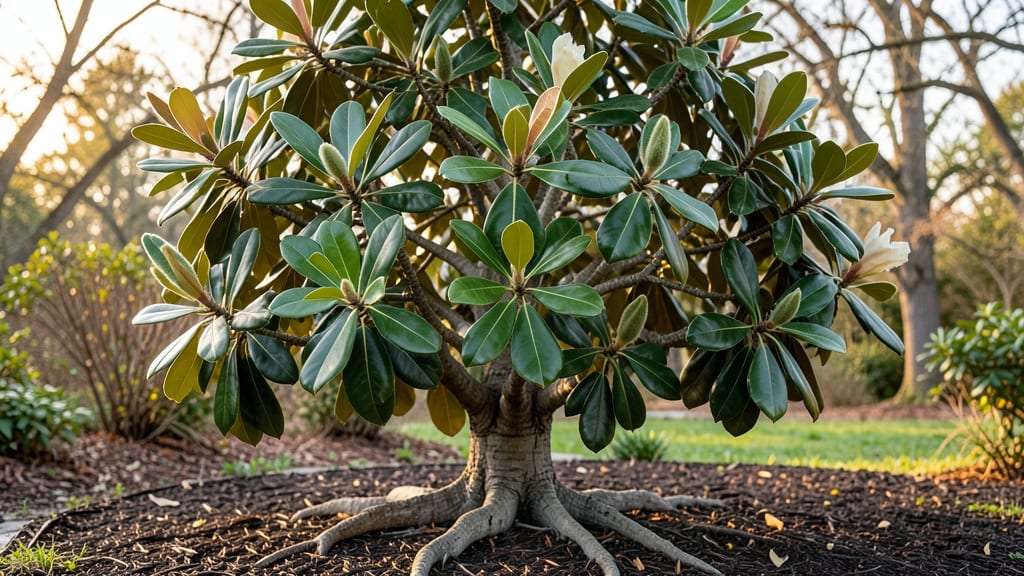
Southern magnolia tree buds hold the secret to your tree’s stunning spring blooms—and they’re more delicate than you think. ✨ I’ve learned that proper pruning isn’t just about shaping the tree; it’s about protecting those precious buds from frost, pests, and overzealous cuts that can stunt flowering for years.
The right timing and technique can transform a struggling magnolia into a showstopper with glossy leaves and fragrant blossoms.
These buds form in late summer, but they’re vulnerable year-round. Early spring pruning (before buds swell) removes dead wood and opens the canopy for airflow, while late winter cleanup prevents fungal diseases hiding in old growth.
The key? Prune when the tree is dormant but before buds break—usually in late February to early March in most Southern climates. Just avoid heavy cuts after buds appear, or you’ll sacrifice next year’s flowers.
Healthy buds mean fewer pests and diseases creeping in. I’ve seen magnolias with bud blight or scale insects turn into thriving trees simply by improving airflow and removing infected branches.
A sharp pair of pruners and a 10% hydrogen peroxide spray (1 part to 9 parts water) are my go-to tools for keeping buds clean and the tree strong. The payoff? A canopy so lush it makes your neighbors jealous—and blooms that perfume the air for weeks.
Don’t let common mistakes derail your progress: over-pruning weakens the tree, while neglecting dead branches invites pests. If your buds look shriveled or blackened, it’s often frost damage or fungal infection.
The solution? Mulch heavily in winter and prune strategically to balance growth. With the right care, your magnolia will reward you with bold, velvety blooms that turn heads every spring.
📚 In This Guide
- What you need
- Instructions
- Tips and common mistakes
- Wrapping up and next steps
What you need
- ● Pruning shears: Bypass pruners (sharp, 6–8" blades) for small buds and branches (1–1.5" diameter). Pro tip: Sanitize with rubbing alcohol before and after use! 🔥
- ● Loppers: For medium branches (1.5–3" diameter). Choose bypass-style for clean cuts.
- ○ Pruning saw: Curved-tooth handsaw for thick branches (3"+ diameter). Optional: A pole saw for high branches (if you’re not using a ladder).
- ● Ladder: Sturdy, extendable aluminum ladder (16–20 ft, rated for your weight). Safety first! 🚧
- ● Disposable gloves: Heavy-duty, nitrile-coated (to protect from thorns and sap).
- ● Rubbing alcohol (70%+) or bleach solution: 1 part bleach to 9 parts water (for sanitizing tools).
- ○ Pruning sealant (optional but helpful): Tree wound paint or pruning paste (for cuts larger than 0.5").
- ● Trash bags: Heavy-duty (for collecting debris).
- ● Sharpie or permanent marker: To label cuts if pruning in stages.
- ● Extension cord + string trimmer: For clearing underbrush around the tree base.
- ● Bird netting: If pruning during bird nesting season (March–August in most regions).
- ● First-aid kit: Just in case those magnolia thorns get feisty! 🩹
- ● Check local regulations: Some areas require permits for tree pruning over a certain height.
- ● Know your tree’s dormant season: Best time to prune is late winter/early spring (before buds swell).
- ● Weather check: Avoid pruning if rain is forecasted within 24 hours (wet wood splits easier!).
Instructions for year-round Southern magnolia pruning
Here’s the simple, science-backed approach I’ve used for decades to keep my magnolias thriving.
⏰ Step 1: Time Your Pruning by Seasonal Needs
Southern magnolias bloom on old wood, so never prune after mid-June—you’ll risk cutting off next year’s flowers. The best time is late winter to early spring (February-March) when the tree is dormant but before buds swell. This timing prevents disease entry and gives the tree time to heal before summer heat.
For light shaping, you can also prune in late summer (August-September) after flowering, but avoid heavy cuts. I like to do a quick inspection then to remove any dead branches that might have appeared over summer. Just don’t go overboard—magnolias handle pruning better when you do it right the first time.
✂️ Step 2: Remove Dead, Diseased, or Crossing Branches First
Start with your pruners and cut out any branches that are dead, diseased, or rubbing against others. Look for branches with no leaves, brown bark, or signs of fungus (like black spots). These should come off completely at the branch collar—the swollen area where the branch meets the trunk. Cutting too close or too far leaves wounds that heal poorly.
Next, remove any branches growing inward or crossing others. This opens up the canopy and improves airflow, which is crucial for preventing fungal diseases in humid Southern climates. I make these cuts just outside the branch collar at a slight outward angle—this helps water run off instead of pooling.
☀️ Step 3: Thin the Canopy for Better Light Penetration
Magnolias naturally grow dense, so thinning the canopy by 20-30% maximum improves light penetration to the lower branches. Select branches to remove based on their position—aim for those that, when cut, will open up the center of the tree. Never remove more than one-third of a branch’s length in one cut, or you’ll stress the tree.
Use sharp pruners for clean cuts, and avoid leaving stubs. If a branch is too thick for pruners, use a saw—but only on branches over 2 inches in diameter. After cutting, sterilize your tools with rubbing alcohol to prevent spreading disease between cuts. You’ll notice the tree’s shape immediately opens up, letting more sunlight reach the lower branches.
🌿 Step 4: Shape Gradually to Maintain Natural Form
For shaping, focus on maintaining the tree’s natural vase shape rather than forcing a geometric look. Remove only the smallest branches that are growing in directions that disrupt this form. I like to step back every few cuts to visualize how the tree will look—this prevents over-pruning, which magnolias are particularly sensitive to.
If you’re pruning a young tree, prioritize removing branches that grow straight up (called “water sprouts”)—these compete with the main structure. For mature trees, limit yourself to removing no more than 10-15 branches total per year. The goal is subtle improvement, not dramatic transformation. You’ll see healthier foliage and more flowers within a season if you prune this way.
Tips & tricks for pruning Southern magnolias
Here's what I've learned after years of keeping my magnolias thriving—these small details make all the difference.
Seasonal Timing: The February-March window is critical because magnolias bloom on old wood. If you must prune in late summer, do it immediately after flowering to minimize impact on next year's blooms. I've seen people accidentally prune too late and lose their spring flowers entirely—don't make that mistake!
Branch Collar Technique: Pay close attention to the branch collar when making cuts. Cutting too close to the trunk creates wounds that heal poorly and invite disease. Aim to cut just outside the collar at a slight outward angle—this helps water run off and prevents rot. I use a small paint mark on my pruners to ensure I'm making clean cuts every time.
Canopy Thinning Strategy: When thinning by 20-30%, focus on branches that will open up the center. I visualize how each cut will affect the overall shape—step back every few cuts to assess. Removing too many branches at once stresses the tree, especially in our humid Southern climate where recovery takes longer.
Tool Maintenance: Sterilizing your tools between cuts is non-negotiable. I keep rubbing alcohol in a small spray bottle and wipe down pruners after every 3-4 cuts. This prevents spreading fungal spores between branches. Also, keep your tools sharp—dull blades tear wood instead of making clean cuts, which increases stress on the tree.
Pro Tips for Southern Magnolia Tree Buds
- Here's what I've learned after years of keeping my magnolias thriving—these small details make all the difference.
- Seasonal Timing: The February-March window is critical because magnolias bloom on old wood.
- Branch Collar Technique: Pay close attention to the branch collar when making cuts.
Frequently asked questions
Got questions about caring for your southern magnolia tree buds? You’re not alone—these iconic trees require special attention! Below, we’ve answered the most common questions to help you keep your magnolia thriving year-round.
When is the best time to prune southern magnolia buds for optimal growth?
The ideal time to prune is late winter to early spring (February–March), just before new growth begins. Avoid pruning in fall, as it can stimulate tender shoots vulnerable to frost damage. Light pruning can also be done in summer to shape the tree, but avoid heavy cuts during dormancy.
Can I prune southern magnolia buds in winter? What about during a cold snap?
Pruning in winter (December–January) is possible, but only if the ground isn’t frozen and temperatures stay above 30°F (-1°C). Avoid pruning during freezing conditions—wait until a mild day. Cold snaps can stress the tree, and open wounds may take longer to heal. If you must prune in winter, do so early in the day when temps are warmest.
My southern magnolia buds are brown or mushy—what’s wrong?
Brown or mushy buds often signal fungal disease (like anthracnose) or bacterial infection. Remove affected buds immediately with sterilized pruners. Improve airflow by thinning dense branches, and avoid overhead watering. Apply a copper fungicide in spring as a preventive measure. If the issue persists, consult a local arborist.
Should I remove all dead buds, or leave some for the tree’s health?
Always remove completely dead or diseased buds—they drain energy and attract pests. However, leave dormant (brown but firm) buds intact, as they may still sprout. Focus on thinning out crowded growth to encourage stronger, healthier buds. Never remove more than 25% of the tree’s canopy in a single pruning session.
Are there alternatives to pruning southern magnolia buds for better growth?
While pruning is essential, you can supplement care with these tips:
- Mulching: Apply 2–3 inches of organic mulch (like pine straw) to retain moisture and regulate soil temp.
- Fertilizing: Use a balanced, slow-release fertilizer in early spring to support bud development.
- Watering: Deep water 1–2 times per week during dry spells (avoid wetting foliage).
- Avoid over-trimming: Magnolias bloom on old wood, so minimal pruning preserves flowers.
Wrapping up and next steps
Mastering the art of pruning southern magnolia tree buds year-round ensures your tree stays vibrant, healthy, and resistant to disease.
By following the right techniques—whether shaping in late winter or maintaining airflow—you’ll cultivate a stunning, long-lived centerpiece for your landscape. Now’s the perfect time to grab those pruners and give your magnolia the care it deserves!
🌿 Next Steps:
- Schedule a pruning session: Pick a calm day and tackle one section at a time.
- Monitor your tree: Watch for new growth and adjust as needed.
- Share your progress: Inspire others with your magnolia’s transformation!