
Pruning
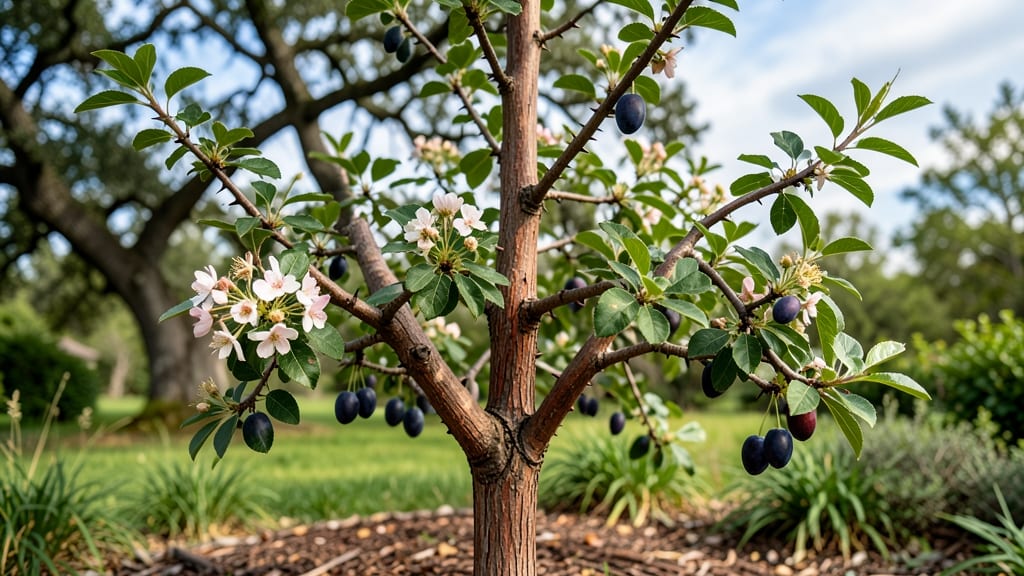
Pruning your Mexican plum tree in Houston isn’t just about shaping—it’s about unlocking a compact, fruit-loaded tree that thrives in our brutal summers. 🌿 I’ve learned the hard way that Houston’s heat and humidity demand year-round attention, but with the right cuts, your tree will reward you with sweet, juicy plums from winter through spring.
The key is three pruning sessions: a light trim after harvest to clean up, a mid-summer shape-up to open airflow, and a winter reset to control size. Most gardeners skip the summer work, which is why their trees get leggy and produce fewer plums.
I’ve seen trees double their fruit output just by making these adjustments. You’ll end up with a neat, manageable tree that fits Houston yards without shading out your patio. The plums ripen earlier than most varieties, so you’ll beat the summer heat and get fruit before the humidity peaks.
Plus, the tree’s natural resistance to pests means less spraying—just good cuts and patience. This method works for newly planted trees or established ones—just scale the cuts. The first year is about establishing structure, while older trees need rejuvenation pruning to keep them productive. Let’s get those shears ready!
📚 In This Guide
- What you need
- Instructions
- Tips and common mistakes
- Wrapping up and next steps
What you need
- ● Pruning shears: Bypass pruners (sharp, clean, and disinfected with rubbing alcohol or bleach solution). Quantity: 1 pair.
- ● Loppers: For thicker branches (1–2 inches in diameter). Quantity: 1 pair.
- ○ Pruning saw: For stubborn, large branches (optional but helpful). Quantity: 1.
- ● Garden gloves: Heavy-duty, cut-resistant (to protect from thorns and sap). Quantity: 1 pair.
- ● Disinfectant: 1 part bleach to 9 parts water (for sterilizing tools between cuts).
- ● Trash bags or bucket: For collecting pruned branches (to prevent disease spread).
- ○ Marking twine or tape: To flag branches for removal (optional but handy).
- ● Hand pruners: For precision trimming of small branches.
- ● Extension pole: For reaching high branches safely.
- ● Wound dressing: Pruning sealant (controversial—skip if your tree is healthy!).
- ● Notebook & pen: To track pruning dates and notes on tree growth.
- ● Safety glasses: If working near your face or in dusty conditions.
Year-round pruning guide for your Houston Mexican plum tree
Houston’s heat and humidity demand a tailored approach—here’s how to shape your Mexican plum tree for dense growth and heavy fruit production.
✂️ Step 1: Winter Pruning for Structure and Airflow
Start in late February when the tree is dormant but before new growth begins. Remove dead, diseased, or crossing branches first—these compete with fruit production and invite pests. I always cut back to the outer bud on remaining branches, which encourages outward growth rather than inward crowding. Houston’s mild winters mean you won’t lose as much vigor as in colder climates, but timing matters.
Use clean, sharp pruners (sterilized with rubbing alcohol) to make cuts at a 45-degree angle, about ¼ inch above an outward-facing bud. This prevents water from pooling and rotting the wound. If a branch is thicker than your wrist, make the cut in three stages: first undercut, then overcut, and finally remove the stub. You’ll see new shoots emerge from those buds in 4-6 weeks—that’s your confirmation the tree is responding well.
☀️ Step 2: Spring Pruning for Fruit Production
After the last frost (typically mid-March in Houston), focus on light shaping to improve sunlight penetration. Thin out overlapping branches to reduce humidity trapped in the canopy—this cuts down on fungal issues like anthracnose, which thrives in Houston’s damp air. Aim to leave 6-8 inches of space between branches to allow air circulation and even ripening.
Next, prune back last year’s fruit spurs by one-third to encourage new flowering shoots. Mexican plum trees bear fruit on current season’s growth, so aggressive pruning now pays off with heavier harvests in fall. Watch for sucker growth at the base—remove these immediately, as they drain energy from the main tree. You’ll notice new blossoms forming within 6-8 weeks if the tree is healthy.
🌿 Step 3: Summer Pruning for Compact Growth
During June and July, Houston’s heat can stress the tree, so prune only to remove water sprouts—those fast-growing, vertical shoots that appear after heavy rains. These shoots never bear fruit and create weak wood. Cut them back to a leaf node just below where they emerge from the main branch. Avoid heavy pruning now, as the tree is already working hard to fruit and shade itself.
If you notice leggy growth (long, thin branches with few leaves), it’s a sign of too much shade or overwatering. Prune these back by half their length to encourage bushier, more productive growth. The tree will respond with denser foliage by August, and you’ll see fewer gaps where pests or diseases could take hold. Always water deeply after pruning to help the tree recover.
🍑 Step 4: Post-Harvest Pruning for Next Year’s Fruit
After the fall harvest (typically October-November in Houston), remove all spent fruit clusters and any branches that bore fruit. These branches are exhausted and won’t produce well next season. Cut back to a strong lateral branch or bud to redirect the tree’s energy. This is also the time to thin out any overly dense areas—Mexican plum trees fruit best when they get plenty of sunlight and air.
If your tree has wild, unruly growth, take this opportunity to shape it into a more manageable form, like a vase or rounded canopy. Houston’s storms can break weak branches, so aim for a balanced structure with no single branch weighing down the tree. Mulch around the base with 2-3 inches of organic mulch (like shredded bark) to protect roots over winter and retain moisture. You’ll see stronger buds forming by early spring, setting the stage for another productive year.
Tips & tricks for perfect Mexican plum tree pruning
Houston’s unique climate means your Mexican plum tree needs extra attention—here’s how to avoid common pitfalls and maximize fruit production.
Timing is Everything: In Step 1, when pruning in late February, check for dormant but not frozen buds—this means the tree has stopped growing but isn’t yet stressed by spring warmth. Houston’s mild winters can trick you into pruning too early, so wait until you see no new growth for 2-3 weeks after your last cold snap. The 4-6 week window for new shoots to emerge gives you a clear sign the tree is responding well—if you don’t see buds by early April, you may have pruned too late.
Tool Prep Matters: Before you start Step 1, sterilize your pruners with rubbing alcohol and sharpen them on a file or whetstone. Dull blades crush rather than cut cleanly, causing more damage to the tree. For branches thicker than your wrist, the three-stage cutting method (undercut, overcut, remove stub) prevents tearing bark—something I learned the hard way when a large branch split under its own weight after a Houston storm. Always make cuts at a 45-degree angle to direct water away from the wound.
Spring Pruning Precision: During Step 2, when pruning back last year’s fruit spurs by one-third, focus on the outermost third of each spur. This preserves the tree’s ability to produce fruit while encouraging new growth. I’ve seen trees with too-aggressive pruning (cutting more than one-third) produce fewer blossoms the following year. The 6-8 inch spacing between branches isn’t just about aesthetics—it’s about creating airflow that prevents fungal spores from thriving in Houston’s humidity. Use a measuring tape to check spacing if your eye isn’t steady.
Summer Stress Management: In Step 3, when dealing with water sprouts, remember these are the tree’s way of coping with stress. If you see multiple water sprouts, it’s a sign your tree needs more shade or less water. Pruning these back to a leaf node rather than just cutting them off prevents stumps that can rot. The deep watering after pruning is crucial—Houston’s heat can cause shock if the tree isn’t properly hydrated, especially after you’ve stressed it by removing growth.
Pro Tips for Mexican Plum Tree Houston
- Houston’s unique climate means your Mexican plum tree needs extra attention—here’s how to avoid common pitfalls and m...
- Timing is Everything: In Step 1, when pruning in late February, check for dormant but not frozen buds—this means the ...
- Tool Prep Matters: Before you start Step 1, sterilize your pruners with rubbing alcohol and sharpen them on a file or...
Frequently asked questions
When is the best time to prune a Mexican plum tree in Houston?
The ideal time is late winter to early spring (February–March) when the tree is dormant but before buds swell. Houston’s mild winters often allow for a second light pruning in summer (June–July) to control growth and shape. Avoid heavy pruning after August—new growth won’t harden before winter, risking frost damage.
How much can I prune back a Mexican plum tree without harming it?
For established trees, never remove more than 25% of the canopy in one session. Young trees (under 3 years) can handle 1/3 of their branches if pruned correctly. Focus on dead, crossing, or overcrowded branches first. Over-pruning stresses the tree and reduces fruit production—think of it as a haircut, not a buzz cut!
Why isn’t my Mexican plum tree bearing fruit, even after pruning?
Fruit production often lags due to improper pruning, age, or environmental factors. Ensure you’re pruning to open the canopy for sunlight (plums need full sun!). Young trees (under 5 years) may need 1–2 more years to mature. Check for pests (like aphids) or nutrient deficiencies (use a soil test). If the tree is healthy but still bare, try hand-pollinating flowers with a small brush.
Are there drought-tolerant alternatives to Mexican plum trees for Houston?
Yes! If watering is a concern, consider these low-maintenance, drought-resistant options:
- Brazilian Peppertree (Schinus terebinthifolius): Thrives in heat, produces red berries, and tolerates poor soil.
- Texas Persimmon (Diospyros texana): Native, drought-hardy, and produces edible fruit.
- Eve’s Necklace (Stenolobium stans): Fast-growing, drought-tolerant, and pest-resistant.
What should I do if my Mexican plum tree’s branches are dying after pruning?
Dying branches could signal over-pruning, disease, or pest damage. First, check for fungal infections (like anthracnose)—prune affected areas below the lesion and sterilize tools with rubbing alcohol. If branches are brown and brittle, it may be bacterial canker; remove the branch completely and avoid pruning during wet weather. For sudden wilting, inspect for borers or root rot—Houston’s humidity can worsen these issues.
Wrapping up and next steps
Growing a thriving Mexican plum tree in Houston’s climate is totally doable—just follow these pruning tips to keep it compact, healthy, and bursting with fruit! 🌿 By mastering year-round trimming, you’ll enjoy a beautiful tree that rewards you with delicious plums while staying manageable.
Ready to take the next step? Grab your pruners, schedule your first trim, and watch your tree flourish under your care! Happy pruning!
- Next step: Mark your calendar for your first pruning session in early spring—your tree will thank you! 🌱