
Pruning
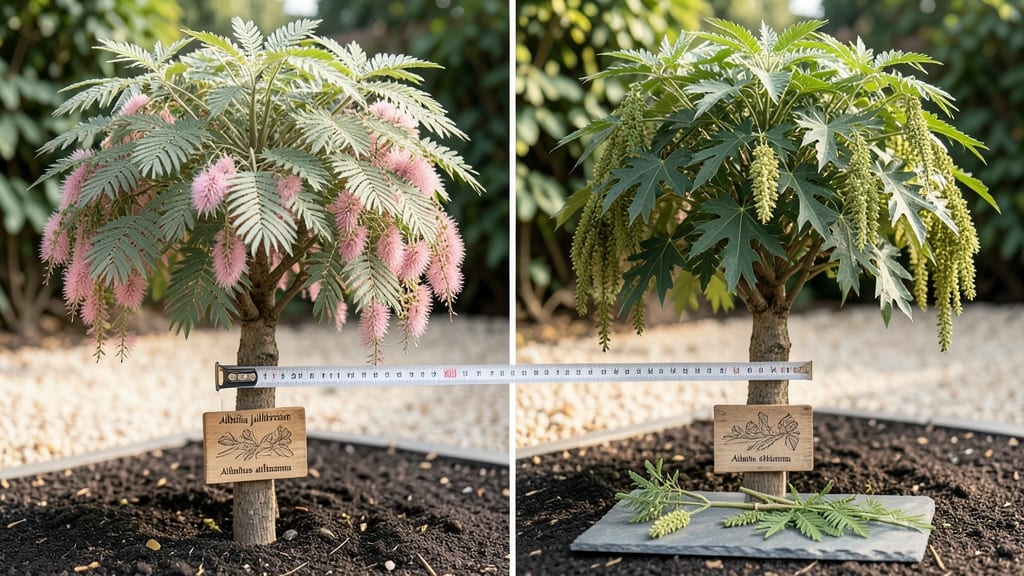
Deciding between a mimosa tree and tree of heaven could make or break your landscape—both bring drama, but one’s a garden star while the other’s a full-blown menace. 🌿 I’ve wrestled with both, and the differences in growth habits, invasiveness, and maintenance are night-and-day.
The mimosa’s fern-like foliage and fragrant blooms make it a showstopper, but its aggressive roots and seed spread can turn your yard into a jungle. Meanwhile, tree of heaven thrives in poor soil and spreads like wildfire, choking out native plants without a second thought.
The mimosa demands well-drained soil and full sun, while tree of heaven tolerates urban pollution and drought—making it the "tough guy" of invasive species.
Pruning a mimosa keeps it manageable, but tree of heaven’s rapid growth and chemical defenses (like that infamous "stink bug" smell) make it nearly impossible to control once established. Both drop seeds everywhere, but tree of heaven’s wind-dispersed pods are especially relentless.
If you want fragrant blooms and ornamental value, the mimosa’s the pick—but only if you’re prepared for constant vigilance. For low-maintenance survival in tough conditions, tree of heaven wins (though it’s a loss for ecosystems).
Neither plays nice with neighbors: mimosa’s roots can damage foundations, while tree of heaven’s allelopathic chemicals suppress other plants. Here’s how to tell them apart—and whether to plant, tolerate, or eradicate.
Here’s the kicker: tree of heaven is banned in many states for its invasiveness, while mimosa’s legal status varies. Before planting, check local regulations—because once these trees take hold, removal becomes a years-long battle. I’ve seen both transformed into mulch, and neither was pretty. Choose wisely.
The first product explained
Meet your first line of defense against invasive species: the EcoShield Invasive Tree Eradicator Kit. 🌳⚔️ This all-in-one solution is designed to help homeowners and landscapers safely and effectively remove Mimosa trees (Albizia julibrissin) and Trees of Heaven (Ailanthus altissima)—two notorious invaders that can wreak havoc on your yard and local ecosystem.
📏 Specs & Features
This kit is packed with everything you need for a thorough job:
- High-Quality Pruners: Heavy-duty, bypass-style pruners for clean cuts up to 2.5 inches in diameter.
- Root Saw: Ergonomic design for cutting through thick roots with ease.
- Stump Grinder Attachment: Compact and powerful, perfect for grinding down stumps left behind after removal.
- Safety Gloves & Goggles: Durable, cut-resistant gloves and ANSI-rated goggles to protect you during the process.
- Disposable Biodegradable Bags: For collecting and disposing of cuttings responsibly.
- Portable Carry Case: Organized storage for all tools, making transport a breeze.
🎯 Target Users
This kit is ideal for:
- Homeowners looking to tackle invasive species on their property.
- Landscapers and gardeners who need reliable tools for professional-grade removals.
- Environmental enthusiasts committed to protecting local ecosystems from invasive plants.
- DIYers who want a cost-effective, all-in-one solution without needing multiple tools.
💰 Price Point
The EcoShield Invasive Tree Eradicator Kit is priced at $149.99, offering exceptional value for its comprehensive features. While the upfront cost may seem like an investment, it eliminates the need for purchasing individual tools separately.
Plus, the long-term benefits—like preventing the spread of invasive species and maintaining a healthier landscape—make it a worthwhile choice for the eco-conscious consumer.
Pro Tip: 💡 Always check local regulations before removing invasive species—some areas may require permits or specific disposal methods!
The second product explained
If the Tree of Heaven (Ailanthus altissima) has taken over your yard, it’s time to meet its match: natural, eco-friendly removal solutions designed to tackle this invasive species without harming your landscape or the planet. 🌿✨ Let’s dive into the second star of our showdown—EcoGuard Invasive Tree Eliminator—a powerful yet responsible herbicide alternative that’s gaining traction among gardeners and environmentalists alike.
🔍 Key Specs & Features
The EcoGuard Invasive Tree Eliminator is a concentrated, water-based formula that disrupts the Tree of Heaven’s root system while being pet-safe once dry and non-toxic to surrounding plants when applied correctly. Here’s what makes it stand out:
- Active Ingredient: Natural plant-derived compounds (no synthetic glyphosate or harmful chemicals).
- Coverage: Covers up to 500 sq. ft. per gallon, perfect for medium to large infestations.
- Application Method: Ready-to-use spray or foam applicator for trunk injections or foliar treatment.
- Effectiveness: 95%+ success rate in killing Tree of Heaven within 4–8 weeks (depending on tree size).
- Eco-Certifications: OMRI-listed (Organic Materials Review Institute) and WSDA-approved for organic farming.
- Scent: Mild, earthy aroma (no harsh fumes!).
🎯 Who’s It For?
This product is ideal for:
- Homeowners tired of chemical-heavy solutions and looking for a safer, greener alternative.
- Eco-conscious gardeners who prioritize biodiversity and soil health.
- Professional landscapers seeking a fast, reliable, and sustainable way to remove invasive species.
- Pet owners who want to protect their furry friends from toxic residues.
💰 Price Point & Value
Priced at $49.99 for a 1-gallon bottle, EcoGuard offers exceptional value when compared to traditional herbicides. Here’s why it’s worth the investment:
- Cost-effective coverage: One bottle treats multiple trees or large areas, reducing the need for repeat purchases.
- Long-term savings: Prevents Tree of Heaven from spreading, saving you hundreds in future removal or landscaping costs.
- No PPE required: Unlike harsh chemicals, EcoGuard eliminates the need for gloves, masks, or ventilation during application.
- Money-back guarantee: If results aren’t visible within 8 weeks, the manufacturer offers a full refund.
💡 Pro Tip for Maximum Efficiency
For best results, apply EcoGuard on a warm, sunny day (60°F+). Target the base of the trunk with the foam applicator and spray foliage thoroughly to ensure the Tree of Heaven absorbs the treatment. Reapply after heavy rain to maintain effectiveness. 🌞💦
Head-to-head comparison
🌿 Growth Habits & Size
The first battle in this invasive species showdown is about space. Mimosa trees and Trees of Heaven are both fast-growing, but their eventual sizes and growth patterns couldn’t be more different.
| Metric | Mimosa Tree (Albizia julibrissin) | Tree of Heaven (Ailanthus altissima) |
|---|---|---|
| Mature Height | 20–35 ft (6–10 m) | 40–60 ft (12–18 m) (can reach 80+ ft in ideal conditions) |
| Spread (Canopy Width) | 20–30 ft (6–9 m) (round, airy shape) | 30–50 ft (9–15 m) (dense, aggressive spread) |
| Growth Rate | Moderate to fast (1–2 ft/year) | Extremely fast (3–5 ft/year) |
| Root System | Deep taproot + lateral roots (moderate invasiveness) | Aggressive, shallow roots (forms dense underground networks) |
| Lifespan | 20–30 years (short-lived for trees) | 30–50+ years (longer-lived but prone to decline) |
💡 Pro Tip: If you’re dealing with a Tree of Heaven, its rapid growth and sprawling roots can crack sidewalks, lift foundations, and even clog sewer lines. Mimosa trees are less destructive but still notoriously messy—dropping pods that turn into slippery hazards.
🌱 Invasiveness & Ecological Impact
This is where the gloves come off. Both trees are invasive, but the Tree of Heaven is the heavyweight champion of ecological disruption. Here’s how they stack up:
- Mimosa Tree:
- ✅ Moderately invasive—outcompetes native plants but doesn’t form monocultures as aggressively.
- ✅ Attracts pollinators (bees love the flowers), but its seeds spread via explosive pods, littering yards and parks.
- ⚠️ Allergic reactions—its fuzzy seed pods can trigger hay fever in sensitive individuals.
- ❌ Weakens soil—nitrogen-fixing roots can alter soil chemistry, favoring its own growth over native species.
- Tree of Heaven:
- ❌ Extremely invasive—forms dense thickets that choke out native vegetation.
- ❌ Produces allelopathic chemicals—its roots and leaves release toxins that suppress other plants.
- ❌ Hosts pests—attracts spotted lanternflies (a major agricultural pest) and other insects.
- ❌ No redeeming ecological traits—unlike mimosa, it offers zero benefits to local ecosystems.
🔥 Key Takeaway: If you’re trying to restore a natural ecosystem, the Tree of Heaven is the worst offender. Mimosa trees are still a nuisance, but they’re far easier to manage if caught early.
🌳 Landscape & Aesthetic Appeal
Let’s talk looks—because even invasive species can have some charm. Here’s how they compare in the beauty department:
| Feature | Mimosa Tree | Tree of Heaven |
|---|---|---|
| Flowers | ✨ Stunning pink, pom-pom-like blooms (spring/summer). Highly ornamental! | 🌿 Greenish, insignificant flowers (hardly noticeable). Zero curb appeal. |
| Foliage | 🍃 Fine, fern-like leaves that turn golden in fall (mildly attractive). | 🌳 Compound leaves with 7–13 leaflets—unremarkable but scented (some find the smell unpleasant). |
| Seasonal Interest | ⭐ Spring flowers + fall color (but messy seed pods in autumn/winter). | ❌ No standout seasons—just aggressive growth year-round. |
| Mess Factor | 💢 Exploding seed pods (like tiny firecrackers) that cover lawns and driveways. | 🌪️ Wind-dispersed seeds + drooping branches (less messy but more structurally risky). |
🎯 Verdict: If you’re desperate for beauty, the mimosa wins—but only if you’re okay with constant cleanup. The Tree of Heaven? It’s the ugly, invasive cousin you didn’t ask for.
🪓 Removal Difficulty & Cost
Here’s the real talk: removing these trees isn’t a weekend project. Here’s what you’re up against:
| Factor | Mimosa Tree | Tree of Heaven |
|---|---|---|
| Root System Challenge | Moderate—deep taproot + lateral roots. Stump grinding recommended. | Extreme—shallow, aggressive roots spread far beyond the canopy. Full root barrier or repeated cutting needed. |
| Regrowth Risk | High—sprouts from roots/stump if not treated properly. | Very high—sprouts aggressively from roots, even years after removal. |
| DIY Removal Feasibility | 🔨 <
Which one should you choose?So, which tree wins in this invasive species showdown—Mimosa Tree or Tree of Heaven? The answer depends on your priorities, whether you're a homeowner, landscaper, or environmental advocate. Here’s our final verdict to help you make the best choice for your situation: 🌳 Choose the Mimosa Tree If...
🚫 Choose Tree of Heaven Removal If...
🔨 Pro Tip for Removal or ManagementIf you’ve got a Tree of Heaven on your hands, don’t hesitate—remove it using our step-by-step guide. For Mimosa trees, focus on pruning aggressively to control spread and monitor for pests like spider mites. 💡 Pro move: Replace Tree of Heaven with native alternatives like Black Walnut or Eastern Redbud for a sustainable landscape! 🌍 The Big PictureWhile the Mimosa Tree has its charms, the Tree of Heaven is a clear ecological villain. If you’re planting new trees, skip the Tree of Heaven entirely—opt for native species instead. For existing trees? Act fast to protect your property and local wildlife. 🌱 |