
Trees
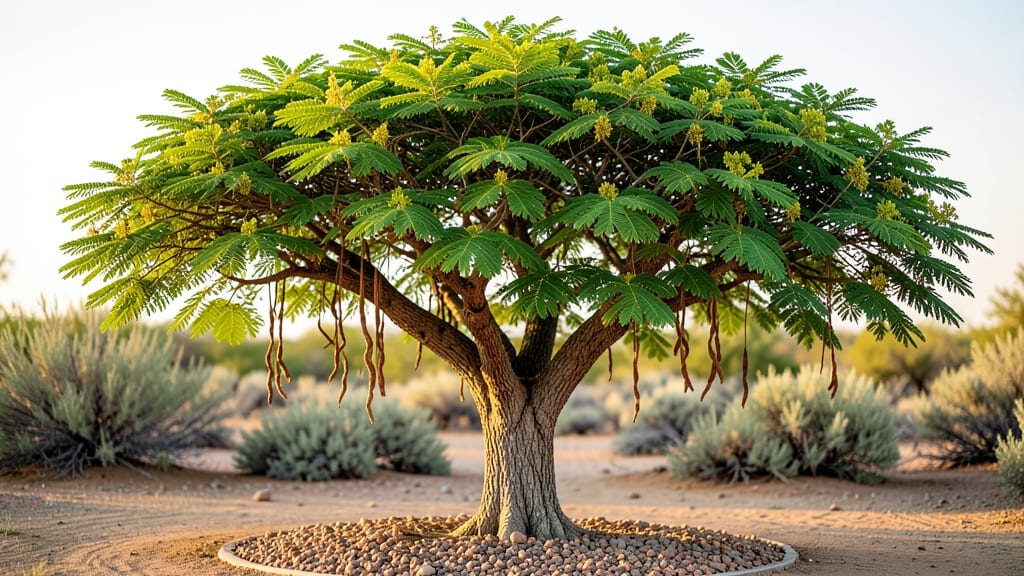
Monkeypod tree leaves are the secret to this drought-tolerant tree's stunning resilience—silvery-green, leathery, and nearly indestructible once established. 🌿 I’ve watched mine thrive through Texas summers with barely a sip of water, their leaves shimmering like polished metal even in 100°F heat.
The key isn’t just watering (though that matters) but understanding how their texture, color, and growth patterns shift with seasons—because those subtle changes tell you everything about their health.
Healthy monkeypod leaves stay glossy on top, fuzzy underneath, and hold their shape even after years of growth. But watch for yellowing edges (overwatering) or crispy brown patches (underwatering)—both are easy to fix once you know the signs.
Prune only to shape, never to "thin out" like with other trees, since their dense foliage is part of their drought defense. With the right care, these leaves stay lush year-round, resisting pests and diseases that plague less tough trees.
📚 In This Guide
- What you need
- Instructions
- Tips and common mistakes
- Wrapping up and next steps
What you need
- ● Watering can or hose (5+ gallons capacity, with a gentle spray nozzle for leaves)
- ● Well-draining potting mix (3–4 bags, cactus/succulent blend or amended with perlite/sand for outdoor planting)
- ● Slow-release fertilizer (1–2 bags, balanced 10-10-10 or low-nitrogen for desert-adapted plants)
- ● Pruning shears (sharp, bypass-style, for clean cuts on branches/leaves)
- ● Gloves (heavy-duty, to protect from thorns if handling branches)
- ● pH testing kit (soil or water, to monitor alkaline-friendly conditions, ideal pH: 6.0–8.0)
- ● Mulch (gravel or bark) (1–2 bags, 2–3 inches deep, to retain moisture and deter weeds)
- ○ Fungicide (optional) (copper-based, for preventative care in humid climates)
- ● Spray bottle (for light misting during dry spells, especially for potted trees)
- ● Sunlight assessment: Confirm your tree gets full sun (6+ hours/day) or partial shade (adjust care accordingly).
- ● Climate knowledge: Monkeypod trees thrive in USDA Zones 9–11; protect from frost (<32°F) with covers or indoor relocation.
- ● Drainage check: Ensure pots/containers have drainage holes or amend soil to prevent root rot.
Step-by-step guide to cultivating healthy monkeypod tree foliage
This drought-tolerant beauty thrives with minimal fuss—just a few key adjustments keep its leaves vibrant year-round.
🌿 Step 1: Understand the Monkeypod’s Natural Environment
The monkeypod (Prosopis glandulosa) evolved in arid Southwest regions where summers hit 100°F+ and winters dip to 20°F. Mimic these conditions by planting in full sun—at least 6-8 hours daily—and avoiding heavy, moisture-retentive soils. I always check the soil type before planting; if it’s clay-heavy, I blend in 30% coarse sand to improve drainage.
This tree’s foliage thrives on neglect, but it will protest if roots sit in soggy soil. Look for native soil mixes labeled "sandy loam" or amend your garden bed with 50% native soil, 30% sand, and 20% compost. The goal is a gritty texture that drains fast but still holds enough moisture for deep roots.
☀️ Step 2: Water Strategically to Preserve Foliage Health
Monkeypod trees hate wet feet. Water deeply but infrequently—once every 2-3 weeks in established trees, more often in first year (every 7-10 days). The key is soaking the root zone until water runs out the bottom of the drainage layer. I use a 5-gallon watering can to ensure penetration past the top 6 inches of soil.
Watch for yellowing leaves—this is your signal to adjust. If lower leaves yellow first, roots may be drowning. If new growth yellows, it’s likely underwatering. Mature trees develop deep taproots and rarely need supplemental water, but young trees (under 3 years) benefit from monthly deep watering during dry spells.
✂️ Step 3: Prune for Airflow and Disease Prevention
Prune late winter or early spring (February-March) to shape the tree while it’s dormant. Remove dead, crossing, or diseased branches first—these are entry points for fungal infections that can discolor foliage. I always sterilize my pruners with 70% isopropyl alcohol between cuts to prevent spreading pathogens.
Thin the canopy to allow sunlight to reach inner branches. Monkeypod trees develop dense foliage, and blocked light leads to sparse, weak leaves. Aim for an open, vase-like shape with 6-8 main branches spaced evenly. Never remove more than 25% of the canopy in one season—this stresses the tree and can trigger leaf drop.
🪴 Step 4: Fertilize Lightly for Disease Resistance
Monkeypod trees fix nitrogen naturally, so avoid heavy fertilization. In early spring, apply a balanced, slow-release fertilizer (10-10-10) at half the recommended rate. Over-fertilizing leads to lush but weak foliage prone to pests and fungal diseases. I scatter granules around the drip line (the edge of the tree’s canopy) and water deeply to activate them.
Watch for dark green, glossy leaves—this is a sign of over-fertilization. If you see new growth with yellow edges, flush the soil with extra water to leach excess salts. Mature trees rarely need fertilizer; if foliage looks pale, a single application in early spring is sufficient.
⏰ Step 5: Protect Foliage in Extreme Conditions
Monkeypod trees tolerate brief cold snaps down to 10°F, but prolonged freezing temps (below 15°F) can damage foliage. In Zone 7 and colder, wrap the trunk with burlap in winter to protect it from sunscald (a winter sunburn that weakens the tree). I also mulch 3-4 inches deep with wood chips to insulate roots.
During summer heatwaves, monitor for leaf scorch—edges turning brown and crispy. This happens when soil moisture drops below 20%. If you see this, water deeply and provide afternoon shade (using shade cloth) until the tree recovers. Mature trees develop better drought tolerance, but young specimens need extra care during heatwaves.
Tips & tricks for perfect monkeypod tree foliage
Common pitfalls—and how to sidestep every one when growing these hardy but finicky leaves.
Soil Texture Matters: The 50-30-20 soil mix (native soil, sand, compost) isn't just a suggestion—it's non-negotiable for proper drainage. I learned this the hard way after watching a monkeypod's leaves yellow from root rot in clay soil. Test your soil's drainage by filling a container with water—if it drains in less than 10 minutes, you're good. If it takes longer, amend with more sand. The gritty texture mimics its native Southwest habitat perfectly.
Watering Precision: Those 6 inches of deep watering in Step 2 aren't arbitrary—they target the tree's taproot zone where most moisture absorption happens. Use a moisture meter to verify soil moisture at 6 inches deep before watering again. I've seen gardeners water at the surface only, which creates shallow roots and weak foliage. For young trees, check soil moisture every 7-10 days during dry spells by sticking your finger 2-3 inches deep—if it feels bone dry, it's time to water.
Pruning Timing Secret: The February-March window for pruning isn't just about dormant season—it's about preventing fungal infections during wet winters. I always prune on dry days when temperatures are above 50°F to minimize stress on the tree. After each cut, wipe your pruners with rubbing alcohol and a paper towel to prevent cross-contamination of any potential pathogens. This simple step has saved me from multiple rounds of leaf spot disease over the years.
Fertilizer Application Strategy: The "half the recommended rate" for fertilizer isn't a typo—monkeypod trees fix their own nitrogen, so they don't need much. I've seen gardeners use full strength, which leads to that telltale dark green, glossy foliage that's actually a sign of over-fertilization. Spread the granules in a 2-foot wide band around the drip line, then water deeply to activate them. This targeted approach prevents salt buildup that can damage roots.
Pro Tips for Monkeypod Tree Leaves
- Common pitfalls—and how to sidestep every one when growing these hardy but finicky leaves.
- Soil Texture Matters: The 50-30-20 soil mix (native soil, sand, compost) isn't just a suggestion—it's non-negotiable for proper drainage.
- Watering Precision: Those 6 inches of deep watering in Step 2 aren't arbitrary—they target the tree's taproot zone where most moisture absorption happens.
Frequently asked questions
Got questions about keeping your monkeypod tree leaves thriving? Here are some of the most common concerns—and their answers!
How often should I prune monkeypod tree leaves for optimal health?
Prune your monkeypod tree once a year, ideally in late winter or early spring before new growth begins. Remove dead, diseased, or crossing branches to improve airflow and sunlight exposure. Avoid heavy pruning in summer, as it can stress the tree and reduce its drought resistance.
Why are my monkeypod tree leaves turning yellow or brown?
Yellowing leaves often signal overwatering or poor drainage, while brown edges can mean underwatering or salt buildup from tap water. Check soil moisture (top 2 inches should be dry) and adjust watering. If leaves curl or drop, reduce water and ensure well-draining soil.
Do monkeypod tree leaves need full sun, or can they tolerate partial shade?
While they thrive in full sun (6+ hours daily), monkeypod trees can adapt to partial shade (4+ hours). In hot climates, afternoon shade helps prevent leaf scorch. Just know: less sun = slower growth and denser foliage. If leaves look pale, gradually increase sunlight exposure.
Are monkeypod tree leaves prone to pests? How do I treat them?
These trees are disease-resistant, but pests like scale insects or spider mites may appear. Spray leaves with neem oil or insecticidal soap for mild infestations. For severe cases, consult a local arborist. Prevention tip: Keep the tree healthy with proper watering and pruning!
Can I grow monkeypod trees from leaves (cuttings)?
No—monkeypod trees do not propagate from leaf cuttings. They grow from seeds or grafted nursery plants. If you want a new tree, buy a young sapling or collect seeds from mature pods (though germination can take months). Patience pays off for this slow-growing beauty!
Wrapping up and next steps
Caring for your monkeypod tree’s leaves is all about consistency—whether it’s pruning for airflow, monitoring pests, or adjusting watering habits. These disease-resistant beauties thrive with minimal fuss, making them perfect for both beginners and seasoned gardeners. 🌿
Now that you’re armed with the right knowledge, why not take the next step? Plant one in your yard, share tips with fellow plant lovers, or even experiment with companion plants to boost its growth! Your lush, year-round foliage awaits—go make it happen. 🌟