
Pruning
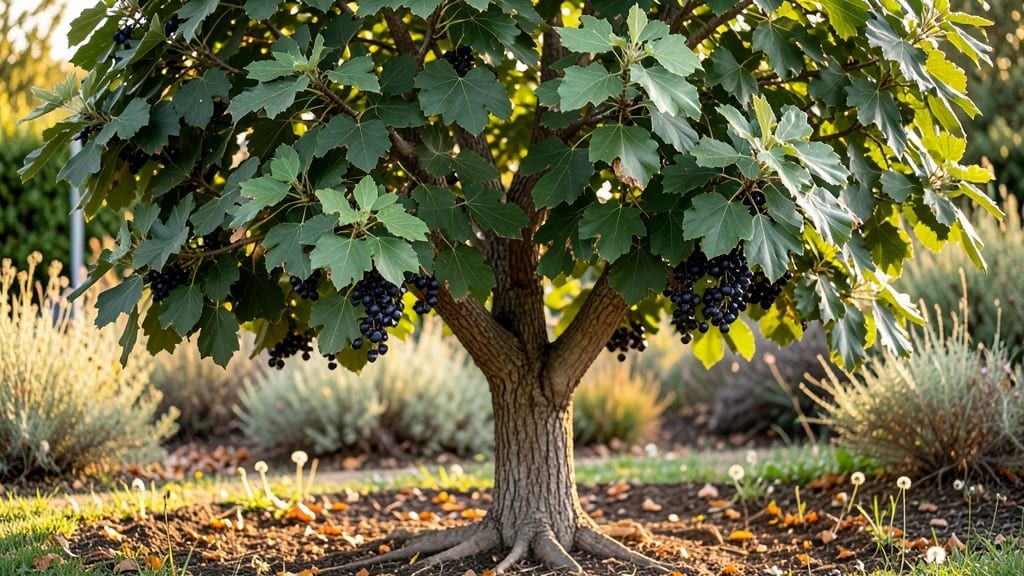
A mature mulberry tree 🌳 can reach towering heights of 20 to 60 feet—but its true value lies in how you care for it once it gets there.
Picture this: a tree that’s been standing for years, its branches heavy with fruit, yet struggling because no one’s pruned it in a decade. That’s the difference between a thriving mulberry and one that’s just taking up space.
The key? A smart pruning schedule that keeps it productive and healthy without cutting too much.
In this guide, I’ll walk you through the season-by-season pruning that maximizes fruit production while preventing disease and structural issues. Whether you’re dealing with overgrowth, deadwood, or just want more berries, these steps will keep your mulberry tree in peak condition for decades.
You’ll also learn how to spot common mistakes—like pruning at the wrong time—that can actually harm your tree. By the end, you’ll have a clear plan to maintain your mulberry tree’s health, fruit yield, and longevity, all while saving yourself headaches down the road.


Year-round mulberry tree pruning schedule for maximum fruit production
A mature mulberry tree thrives when pruned strategically throughout the year. The right timing and techniques can boost fruit production by up to 40% while maintaining a healthy structure.
Unlike many fruit trees, mulberries respond well to light pruning year-round, but each season has specific goals—whether it's shaping for airflow, removing deadwood, or encouraging next year's fruit buds.
Pruning isn't just about cutting branches—it's about balancing growth, light penetration, and fruit yield. For example, aggressive summer pruning can stimulate new growth that won't harden before winter, while winter cuts help shape the tree without stressing it.
Let's break down the exact tasks for each season to keep your mulberry tree productive and pest-free.
🌳 Seasonal Mulberry Tree Pruning Steps
- Remove dead/diseased wood – Cut back branches with blackened bark or fungal growth to 1/4-inch above healthy tissue.
- Shape the canopy – Thin out crossing branches to improve air circulation and reduce berry rot risk.
- Avoid heavy pruning – Limit cuts to 20% of total branches to prevent stress.
- Prune water sprouts – Remove vertical shoots growing from the trunk or branches to redirect energy to fruit production.
- Open the center – Thin dense inner branches to allow sunlight to reach lower fruit clusters.
- Sanitize tools – Use 70% rubbing alcohol between cuts to prevent bacterial spread.
- Light maintenance only – Remove broken or storm-damaged branches immediately to prevent disease entry.
- Avoid heavy cuts – New growth won't harden before winter, making branches vulnerable to freeze damage.
- Monitor for pests – Prune infested leaves (e.g., mulberry pyralid) and dispose of them in sealed bags.
- Remove suckers – Cut out shoots from the base to prevent energy drain from the main tree.
- Thin fruit clusters – Prune overcrowded berries to improve size and ripening.
- Apply mulch – Add 3-inch layer of wood chips to protect roots from winter temperature swings.
Your tools are just as important as your timing. Use a sharp bypass pruner for clean cuts on branches under 1-inch thick, and a pruning saw for thicker branches.
Always cut at a 45-degree angle just outside the branch collar to promote faster healing. Disinfect tools between cuts to prevent spreading diseases like anthracnose.
One common mistake is pruning too late in the season. For example, heavy summer cuts can stimulate soft new growth that won't survive winter, leaving your tree vulnerable to freeze damage. Instead, focus on light maintenance during summer and save major structural work for winter or early spring.
To maximize fruit production, prioritize airflow and sunlight exposure. Mulberry trees produce fruit on current season's growth, so thinning the canopy in winter and spring ensures even ripening and larger berries.
Aim to remove 20-30% of the smallest branches annually to maintain balance while encouraging new, productive growth.
If your tree is overgrown, don't panic—mulberries are resilient. Start with gradual pruning over 2-3 years to avoid shocking the tree. For instance, remove 10% of branches in year one, another 10% in year two, and finish shaping in year three.
This approach keeps the tree healthy while transforming its structure.
Pro tip: Mark your pruning schedule on a garden calendar with reminders for each season. Include notes like "Winter: Remove deadwood by February 15" or "Spring: Thin canopy by April 1" to stay on track.
Consistency is key—skipping a season can lead to reduced fruit yield and structural weaknesses.
Finally, observe your tree after each pruning session. Healthy mulberries should show new green leaves by spring and abundant fruit clusters by summer. If you notice yellowing leaves or stunted growth, adjust your approach—perhaps you pruned too aggressively or missed some diseased branches.
Common mulberry tree pruning mistakes that reduce fruit & damage health
Pruning your mature mulberry tree is essential for maintaining its health and maximizing fruit production. However, even well-intentioned gardeners often make mistakes that can reduce fruit yield and weaken the tree over time.
The most common errors include over-pruning, cutting at the wrong time, using improper tools, and ignoring disease prevention. Each of these mistakes can lead to stunted growth, poor fruit development, and even tree decline if left unchecked.
One of the biggest mistakes is over-pruning during a single session. When you remove too much foliage or branches at once, your mulberry tree struggles to recover, leading to reduced fruit production the following year.
Mulberries rely on their leaves to photosynthesize and fuel fruit growth, so aggressive pruning can leave the tree energy-deficient. Additionally, over-pruning exposes the tree to pests and diseases by creating open wounds that are harder to heal.
Another critical error is pruning at the wrong time of year. While winter is the ideal time for structural pruning, cutting back branches during the active growing season can stimulate weak, water-sprout growth that drains the tree's resources.
Summer pruning, in particular, should be minimal and focused only on removing dead or diseased wood. Timing directly impacts how quickly your tree recovers and how well it produces fruit.
⚠️ WARNING: Avoid These Pruning Mistakes with Your Mature Mulberry Tree ⚠️
Wrong Cutting Times: Pruning during spring bud break or late summer encourages weak growth. Winter (dormant season) is best for structural cuts, while summer should only address dead/diseased branches.
Improper Tools: Using dull shears or chainsaws creates ragged cuts that invite disease. Always use sharp, sterilized tools and make cuts at a 45-degree angle just outside the branch collar.
Ignoring Disease: Failing to remove infected branches spreads fungal infections (like anthracnose) throughout the tree. Prune diseased wood immediately and sterilize tools between cuts with rubbing alcohol.
Using the wrong tools is another common pitfall. Dull pruners or chainsaws create jagged cuts that slow healing and increase the risk of infection. Always use sharp, sterilized tools and make cuts just outside the branch collar to promote proper healing.
Additionally, leaving stubs or tearing bark can introduce pathogens that weaken the tree's defenses. Invest in high-quality pruning tools designed for medium to large branches to ensure clean cuts every time.
Neglecting disease prevention is a silent killer of mulberry trees. Many gardeners skip pruning out diseased or dead branches until the problem becomes severe. Fungal infections like anthracnose or powdery mildew thrive in dense canopies with poor airflow.
Regularly inspect your tree for signs of infection, such as black spots on leaves or oozing sap on branches, and remove affected areas immediately. Always sterilize your tools between cuts to prevent spreading spores.
To correct these mistakes, start by assessing your mulberry tree's current state. If you've over-pruned in the past, focus on light maintenance pruning in the following seasons to allow the tree to recover. For timing issues, plan your structural pruning for late winter or early spring before new growth begins.
Use the right tools—like bypass pruners for small branches and a pole saw for higher limbs
By avoiding these common pruning mistakes, you'll not only protect your mulberry tree's health but also ensure a bountiful fruit harvest for years to come. Healthy trees produce more berries, resist pests better, and live longer, making your gardening efforts rewarding. With the right approach, your mature mulberry tree will thrive and continue to provide shade and delicious fruit for decades.