
Pruning
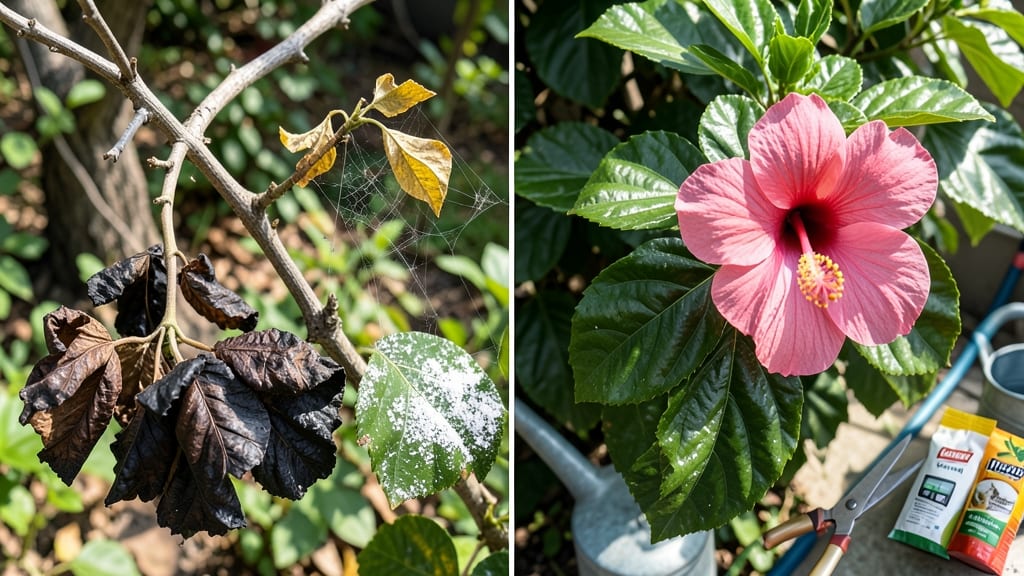
My hibiscus tree looks dead—but it’s not. Just desperate for help. 🌿 Drooping leaves and wilted branches often signal stress from overwatering, pests, or sudden temperature swings, not permanent damage. The good news? Hibiscus are resilient, and with the right steps, you can revive them faster than you think—sometimes in as little as 2 weeks. Start by checking the soil: stick your finger 2 inches deep. If it's soggy, cut back on watering; if it's bone-dry, give it a deep drink. Yellowing leaves often mean overwatering, while crispy edges scream underwatering. Pests like spider mites or scale leave sticky residue or tiny webs—wipe them off with soapy water if you spot them. Pruning dead branches (they snap easily when dry) breathes new life into the tree. Trim back 1/3 of the canopy to encourage fresh growth, and move it to a spot with morning sun and afternoon shade—direct afternoon heat stresses hibiscus. A balanced fertilizer (like 10-10-10) applied every 4-6 weeks gives it the nutrients it craves to bounce back. Don’t give up if progress feels slow—hibiscus recover faster than most people expect. With consistent care, you’ll see new buds forming within 3-4 weeks, and those iconic blooms will return before you know it. Let’s get your tree back to its glory days.
Hidden Culprits Behind Wilting Hibiscus
When your hibiscus tree suddenly looks lifeless—drooping leaves, brittle branches, or even bare stems—it’s often the result of sneaky environmental or care-related stressors. Understanding the root causes (literally and figuratively) is the first step to bringing it back to life.
Let’s break down the most common reasons your hibiscus might be throwing in the towel, complete with the science behind the struggle.
Hibiscus trees (Hibiscus rosa-sinensis and related species) thrive in USDA Zones 10–12, meaning they’re tropical at heart and hate sudden temperature drops or scorching heat. Here’s how extremes sabotage them:
- Cold Shock: Below 40°F (4°C), cell membranes in leaves and stems rupture, blocking water and nutrient flow. Symptoms? Brown, crispy edges or blackened stems. 🌡️ Pro Tip: If frost hits, wrap the tree in burlap or move potted hibiscus indoors until temps rise.
- Heat Stress: Above 95°F (35°C), hibiscus wilts from transpiration overload—the plant loses water faster than roots can absorb it. Look for yellowing leaves (chlorosis) or drooping even at night. 💡 Fix: Provide afternoon shade (use shade cloth) and mulch to keep roots cool.
- Wind Burn: Strong winds desiccate leaves, causing brown, papery patches. Prune to improve airflow and stake young trees to prevent uprooting.
Hibiscus roots are shallow but sensitive—they need consistent moisture but dread soggy or dry conditions. Here’s how water stress shows up:
| Symptom | Cause | Action |
|---|---|---|
| Dry, brittle leaves that crumble | Underwatering (soil dries out completely) | Water deeply until runoff appears, then repeat every 2–3 days in heatwaves. Use drip irrigation for consistency. |
| Yellow leaves + mushy stems | Overwatering (root rot from anaerobic conditions) | Let top 2 inches of soil dry between waterings. Improve drainage with perlite or a raised bed. |
| Wilting despite wet soil | Fungal root rot (e.g., Phytophthora) | Stop watering immediately. Treat with copper fungicide and repot in fresh, sterile soil. |
While hibiscus loves sunlight, intense midday rays (especially in hot climates) can scorch leaves faster than they can photosynthesize. Signs include:
- Bleached or white patches on leaves (sunburn).
- Curling or scorch marks along leaf edges.
- Stunted growth despite regular watering.
🌿 Solution: Gradually acclimate young hibiscus to full sun (start with morning sun only). For mature trees, prune to reduce leaf exposure or install shade cloth (30–50%) during peak hours.
Hibiscus roots need aeration and nutrients—when they’re cramped or starved, the whole plant suffers. Watch for:
- Circling roots (visible when lifting a potted hibiscus).
- Slow wilting even with proper watering.
- Stunted new growth despite fertilizing.
🔥 Fix It:
- Repot in well-draining soil (mix garden soil with compost and perlite).
- Trim 1/3 of roots if root-bound (use sterilized shears).
- Test soil pH—hibiscus prefers 6.1–6.5. Amend with lime (to raise pH) or sulfur (to lower it).
Hidden invaders can drain your hibiscus of life before you notice. Common culprits:
| Spider Mites | Tiny webs on undersides of leaves + speckled yellowing. | Spray with neem oil or introduce predatory mites. |
| Aphids | Sticky residue (honeydew) + curled leaves. | Blast off with soapy water or use insecticidal soap. |
| Root-Knot Nematodes | Galls (lumpy roots) + sudden wilting. | Replace infested soil and treat with marigold companion plants. |
| Fungal Leaf Spot | Brown spots with yellow halos. | Remove infected leaves and apply copper fungicide. |
✨ Prevention Tip: Inspect leaves weekly and remove fallen debris to stop pests/diseases in their tracks.
Hibiscus is a heavy feeder, and deficiencies show up fast. Here’s what’s missing when your tree looks dead:
| Nitrogen (N) | Yellowing lower leaves (oldest first). | Feed with balanced fertilizer (10-10-10) in spring. |
| Potassium (K) | Brown leaf edges + weak stems. | Use banana peel tea or a potassium-rich fertilizer. |
| Magnesium (Mg) | Interveinal yellowing (veins stay green). | Apply Epsom salt (1 tbsp/gallon water) monthly. |
| Iron (Fe) | Pale yellow leaves (even on new growth). | Use chelated iron or adjust soil pH (too alkaline locks out iron). |
💪
Reviving Your Hibiscus Tree Step-by-Step
A drooping or seemingly dead hibiscus tree isn’t always a lost cause! With the right care, you can often bring it back to life. Below are practical solutions tailored to common causes of decline, along with prevention tips to keep your hibiscus thriving.
Let’s get your tree back on track! 🌿💚
Signs: Yellow leaves, mushy stems, root rot, or a foul smell at the base.
How to Fix It:
- 🚰 Stop Watering Immediately
- Let the soil dry out completely before watering again. Hibiscus trees prefer well-draining soil and hate soggy roots.
- 🪴 Check the Roots
- Gently dig around the base to inspect for black, mushy roots (sign of rot). Trim away any affected roots with sterilized pruners.
- 🌱 Improve Drainage
- If your pot lacks drainage holes, repot your hibiscus into a container with drainage. For in-ground plants, amend the soil with perlite or sand to enhance airflow.
- 💧 Adjust Your Watering Routine
- Water only when the top 1-2 inches of soil are dry. In hot climates, this may mean watering every 2-3 days; in cooler weather, once a week may suffice.
💡 Prevention Tip:
- Use a moisture meter to track soil dryness. Hibiscus trees cannot tolerate waterlogged soil—always prioritize drainage!
Signs: Crispy, brown edges on leaves, wilting, or dry soil pulling away from the pot.
How to Fix It:
- 💦 Give It a Deep Watering
- Soak the soil until water drains from the bottom. For large trees, this may take 10-15 minutes.
- 🌧️ Increase Humidity (If Indoor)
- Place a humidifier nearby or mist the leaves daily (especially in dry climates or during winter).
- 🌱 Mulch the Base
- Apply 2-3 inches of organic mulch (like bark or straw) to retain moisture and regulate soil temperature.
- 📅 Establish a Watering Schedule
- Hibiscus trees love consistency. Water early in the morning to reduce evaporation.
💡 Prevention Tip:
- Group plants together to create a microclimate that retains moisture naturally.
Signs: Bleached or crispy leaf edges, leaf drop, or a glossy sheen on foliage.
How to Fix It:
- 🌳 Provide Shade Gradually
- Move your hibiscus to a spot with morning sun and afternoon shade, especially in hotter months.
- 💧 Boost Hydration
- Water more frequently during heatwaves, ensuring the entire root zone stays moist.
- 🍃 Trim Damaged Leaves
- Use clean pruners to remove sun-scorched leaves (they won’t recover). This helps the plant focus energy on new growth.
- 🌿 Use Shade Cloth (For Outdoor Trees)
- If your hibiscus is in full sun, drape 30-50% shade cloth over it for a few weeks to acclimate.
💡 Prevention Tip:
- Avoid sudden exposure to intense sun after bringing an indoor hibiscus outside. Acclimate it slowly over 7-10 days.
Signs: Black spots, white powdery mildew, oozing stems, or sudden leaf drop.
How to Fix It:
- 🧼 Prune Infected Areas
- Cut off all diseased leaves and stems using sterilized pruners (wipe with rubbing alcohol between cuts).
- 🌿 Apply Fungicide
- Spray with a copper-based fungicide or neem oil solution (1 tsp neem oil + 1 quart water). Reapply every 7-10 days until the issue clears.
- 🌧️ Improve Air Circulation
- Thin out crowded branches and space plants 3-4 feet apart to reduce humidity buildup.
- 🚫 Avoid Overhead Watering
- Water at the base (not the leaves) to prevent fungal spores from spreading.
💡 Prevention Tip:
- Water in the early morning so leaves dry quickly. Avoid nighttime watering, which promotes fungal growth.
Signs: Blackened leaves, mushy stems, or sudden wilting after a cold snap.
How to Fix It:
- 🔥 Protect from Further Cold
- If frost is forecasted, cover your hibiscus with a frost blanket or move potted plants indoors.
- 🌱 Prune Dead Growth
- Once temperatures warm up, trim back any blackened or mushy stems to encourage new growth.
- 💧 Resume Watering Carefully
- Cold-stressed plants need gentle hydration. Water lightly until new leaves emerge.
- 🌿 Fertilize Lightly
- Apply a balanced fertilizer (10-10-10) to help recovery, but avoid heavy feeding until the plant shows signs of regrowth.
💡 Prevention Tip:
- Mulch heavily in fall to insulate roots. Hibiscus trees cannot survive frost—bring potted varieties indoors before temps drop below 40°F (4°C).
Signs: Yellowing leaves (chlorosis), stunted growth, or burnt leaf tips (from salt buildup).
How to Fix It:
- 🚫 Flush the Soil
- If over-fertilized, leach out excess salts by watering heavily for 10-15 minutes until water runs clear from the drainage hole.
- 🌱 Test Soil pH
- Hibiscus prefers slightly acidic to neutral soil (6.0-7.0 pH). Adjust with lime (to raise pH) or sulfur (to lower pH) if needed.
- 💪 Feed with the Right Nutrients
- Use a balanced, slow-release fertilizer (like 6-6-6) every 4-6 weeks during growing season (spring-fall). Avoid high-nitrogen fertilizers—they promote leafy growth at the expense of flowers.
- 🍃 Add Organic Matter
- Mix compost or worm castings into the soil to improve nutrient availability.
💡 Prevention Tip:
- Follow the fertilizer label—more isn’t better! Over-fertilizing can burn roots and stress your hibiscus.
If your hibiscus is beyond revival (e.g., no green leaves left, extensive root rot), don’t despair! You can propagate new plants from healthy cuttings: 1. 🔪 Take 4-6 inch cuttings from non-flowering stems (use clean, sharp pruners).
- 🌿 Remove lower leaves and dip the cut end in rooting hormone.
- 🪴 Plant in moist perlite or sand, then cover with a plastic bag to retain humidity.
- 💧 Keep soil moist and place in bright, indirect light until roots form (4-6 weeks).
Final Thought: Most hibiscus trees are resilient—with the right care, they can bounce back surprisingly fast! Act quickly at the first sign of stress, and your tree will thank you with vibrant blooms in no time. 🌺✨
Frequently asked questions
Is my hibiscus tree really dead, or just dormant?
Hibiscus rarely stay truly dead—even if branches look bare, roots may still be alive! Check by gently scraping bark on stems: if green tissue appears beneath, the tree is alive. For potted hibiscus, lift the pot to inspect roots (healthy ones are firm and white). If you find any green, prune dead growth and resume care.
How quickly can a dying hibiscus recover with proper care?
With immediate action, you may see improvement in 2-3 weeks—new leaves typically appear within 3-4 weeks if roots are healthy. Severe cases (like root rot) take 6-8 weeks to show full recovery. The key is consistency: adjust watering, prune dead growth, and provide shade if needed during recovery.
Can I save a hibiscus with only brown stems and no leaves?
Yes! Even leafless hibiscus can recover if roots are intact. Trim all brown stems back to green tissue (use sterilized pruners), then water deeply but let soil dry between waterings. Move to bright, indirect light and apply a balanced fertilizer (10-10-10) lightly. New growth often appears within 4-6 weeks.
What’s the fastest way to check for root rot in my potted hibiscus?
Gently remove the plant from its pot and examine the roots: healthy roots are firm and white, while rotten roots are black, mushy, and smell foul. If rot is present, trim affected roots with clean shears, repot in fresh, well-draining soil, and reduce watering immediately. For severe cases, soak roots in a 1:10 hydrogen peroxide solution for 10 minutes before repotting.
Should I prune my hibiscus when it looks dead?
Pruning is crucial for recovery. Use sterilized pruners to cut back all dead, brown branches to green tissue (or healthy wood if no green remains). For stubborn branches, make cuts at a 45-degree angle just above a leaf node. This stimulates new growth and improves airflow, reducing disease risk.