
Trees
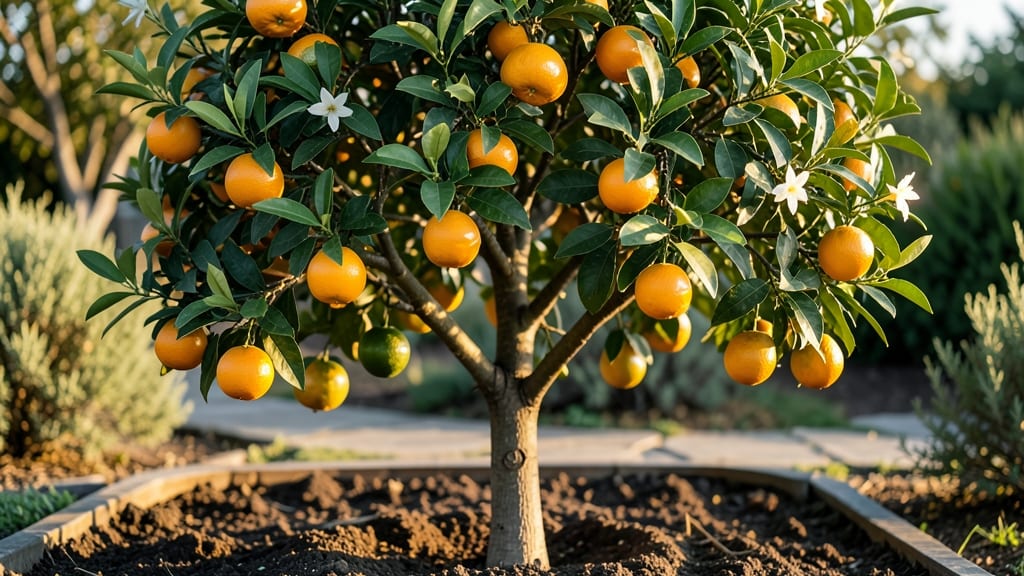
That bright orange berry tree identification clue is your first step. 🌿 Orange berry trees can be stunning additions to your landscape, but identifying them correctly starts with close inspection of the leaves, bark, and fruit.
I've spent years studying these trees, and the differences between species like Pyracantha, Cotoneaster, and Hawthorn often come down to just a few key details. The leaves alone tell a story: Pyracantha has serrated edges and a glossy finish, while Cotoneaster leaves are often rounded with a matte texture.
Bark texture changes with age too—young trees might have smooth bark, but mature ones develop deep ridges. And those berries? Some are edible for birds, others toxic to humans, so knowing the species matters. By the end of this guide, you'll recognize the subtle differences that make each tree unique.
You'll also know which ones thrive in your region and how to tell if they're native or invasive. The right identification leads to better care—or even removal if needed.
Next steps are simple: snap a photo, compare it to the details here, and consult your local extension office for a second opinion. They often have samples and experts on hand to confirm your findings.
Root Causes of Misidentification
When trying to pinpoint an orange berry tree from a sea of similar-looking species, confusion often stems from a few key factors. Understanding why mistakes happen helps you spot the right clues—and avoid costly errors. Here’s a breakdown of the most common culprits:
Many trees produce leaves that look almost identical at first glance, especially when viewed from a distance.
For example: - Orange berry trees (like Maclura pomifera, the Osage orange) have simple, alternate leaves with a rough, sandpaper-like texture. - Mulberry trees or hackberry trees can mimic this shape, but their edges are often lobed or serrated—not smooth like the Osage orange’s.
Why it happens:
- Seasonal changes blur distinctions. Young leaves may appear glossy and tender, while mature ones develop a duller finish.
- Lighting conditions (e.g., backlighting) can exaggerate or minimize leaf veins, making identification harder.
- Hybrid confusion: Some ornamental trees are grafts or crosses, blending traits from multiple species.
Actionable fix: ✅ Compare textures: Rub a leaf between your fingers—Osage orange leaves feel gritty, while mulberry leaves are smoother. ✅ Check the base: Osage orange leaves have a distinct, asymmetrical base (one side tapers more than the other).
The bright orange "berries" of the Osage orange are actually drupes (fleshy fruits with a single large seed), not true berries.
This misnomer leads to mix-ups with: - Persimmons (which have a tomato-like shape and split open when ripe). - Loquat fruits (smaller, with a sweet, custard-like texture). - Citrus hybrids (if grown in warm climates, some may resemble oranges but lack the tree’s signature bark).
Why it happens:
- Color deception: Immature Osage orange fruits start green, then turn yellow-orange—easily mistaken for citrus.
- Size variation: Fruits can range from golf-ball to grapefruit-sized, depending on the tree’s age and health.
- Seed confusion: The single, hard seed inside resembles a peach pit, but Osage orange seeds are larger and more oblong.
Actionable fix: ✅ Smell test: Osage orange fruits have no citrus scent—they smell slightly rancid or like a cross between a pear and a plum. ✅ Taste caution: While edible when cooked (used historically for jellies), raw Osage orange fruit is bitter and inedible—unlike true berries.
Osage orange bark is deeply grooved and corky, resembling:
- Sycamore trees (which have mottled, patchy bark).
- Hackberry trees (with shaggy, warty ridges).
- Young mulberry trees (smooth when young, but maturing into a rough, furrowed texture).
Why it happens:
- Bark evolves with age: Young Osage orange trees have smooth, gray bark that only develops grooves after 10+ years.
- Weathering effects: Sun exposure and moisture can darken or lighten bark, altering its appearance.
- Pruning impact: Aggressive trimming can create unnatural splits or scars, mimicking other species.
Actionable fix: ✅ Look for "chicken wire" patterns: Mature Osage orange bark has intertwining ridges that look like braided ropes. ✅ Check the trunk’s base: Osage orange often develops swollen, knobby roots at the soil line—a dead giveaway.
Timing plays a huge role in identification.
For example: - Spring: Osage orange leaves emerge late (after other trees), and flowers (if present) are small, greenish, and insignificant. - Fall: Fruits ripen October–November, but leaves turn yellow-brown (not the vibrant reds of maples or oaks). - Winter: The skeletal branches can resemble hawthorn or crabapple trees, which also have thorny stems.
Why it happens:
- Dormancy cycles: Osage orange is late to leaf out in spring and one of the last to drop leaves in fall.
- Regional differences: In warmer climates, fruits may persist longer, while in colder areas, they fall earlier.
- Pollinator dependence: Without bees or wind to trigger flowering, some trees may skip flower production entirely, confusing observers.
Actionable fix: ✅ Track growth stages: Use a plant journal to note when leaves appear/drop and fruits form. ✅ Compare with neighbors: Osage orange often grows in open fields or fence rows, unlike shade-loving trees.
Pro Tip 💡: Combine clues! No single trait (leaf, fruit, or bark) guarantees ID—cross-reference all three for accuracy. When in doubt, snap a photo and compare it to a field guide or local arboretum database.
Quick Fixes for Common Berry Tree Issues
When your orange berry tree isn’t thriving, quick action can save the day! Below are practical solutions tailored to the most common problems—from pest invasions to nutrient deficiencies—along with prevention tips to keep your tree healthy long-term.
If you spot holes in leaves, sticky residue, or tiny critters feasting on your tree, pests are likely the culprit.
How to Fix It:
- 🔥 Spray with Neem Oil – Mix 1 tbsp neem oil with 1 quart of water and a drop of dish soap. Spray leaves thoroughly (early morning or late evening to avoid harming bees). Repeat every 5–7 days until pests vanish.
- 🍳 DIY Garlic Spray – Blend 2 cloves of garlic with 1 quart of water, strain, and add a teaspoon of cayenne pepper. Spray on affected areas. Garlic’s sulfur compounds repel many insects naturally.
- 👨🍳 Install Sticky Traps – Place yellow or blue sticky traps near the tree to catch flying insects like aphids or whiteflies. Check traps weekly and replace as needed.
💡 Prevention Tips:
- 🌡️ Encourage Natural Predators – Ladybugs and lacewings eat aphids. Plant companion flowers like marigolds or dill to attract them.
- ✨ Prune Regularly – Remove infested branches immediately to stop the spread.
- 🎯 Inspect New Plants – Quarantine newly purchased trees for 2–3 weeks before introducing them to your garden.
Yellowing leaves, stunted growth, or sparse fruit? Your tree might be hungry for key nutrients.
How to Fix It:
- 📊 Soil Test First – Grab a DIY soil test kit (available at garden centers) to check pH and nutrient levels. Most orange berry trees thrive in slightly acidic soil (pH 5.5–6.5).
- 💪 Fertilize Smartly –
- Nitrogen (Green Leaves): Use a balanced fertilizer (10-10-10) in early spring.
- Potassium (Fruit Production): Apply a potassium-rich fertilizer (like banana peel tea or wood ash) before blooming season.
- Iron (Chlorosis): Sprinkle iron chelate granules around the root zone or use an iron supplement spray.
- 🥗 Compost Top-Dressing – Spread 2–3 inches of well-aged compost around the base of the tree (avoid piling against the trunk). Water thoroughly to help nutrients absorb.
💡 Prevention Tips:
- 🌱 Mulch Wisely – Use organic mulch (like pine straw or shredded leaves) to retain moisture and slowly release nutrients.
- 🎯 Avoid Over-Fertilizing – Too much nitrogen can burn roots. Follow package instructions and fertilize only during growing seasons (spring/fall).
- 🔥 Monitor Leaf Color – Yellow between veins? Likely iron deficiency. Yellow with green veins? Could be nitrogen overload.
Underwatering or overwatering can stress your tree, making it vulnerable to disease.
How to Fix It:
- 💧 Deep Watering Routine – Water 1–2 inches per week, especially during dry spells. Use a trowel to check soil moisture 2 inches below the surface—if it’s dry, water again.
- 🔥 Drip Irrigation – Set up a slow-drip system near the root zone to deliver water directly where it’s needed, reducing runoff.
- 🌱 Improve Drainage – If your tree sits in soggy soil, amend the area with perlite or coarse sand to prevent root rot.
💡 Prevention Tips:
- ⏰ Water Early or Late – Avoid midday watering to reduce evaporation and fungal growth.
- 🎯 Group Plants – Mulch around the base and group young trees with thirsty companions to create a microclimate that retains moisture.
- 🌡️ Adjust for Seasons – Reduce watering in winter (unless in a drought-prone area) and increase it during summer heatwaves.
Fungal spots, powdery mildew, or oozing cankers? Don’t panic—early treatment works!
How to Fix It:
- 🍳 Baking Soda Spray – Mix 1 tbsp baking soda, 1 tbsp vegetable oil, and a drop of dish soap in 1 quart of water. Spray on leaves for fungal issues like powdery mildew. Repeat weekly.
- 🔪 Prune Infected Branches – Cut off diseased limbs 6 inches below the affected area using sterilized pruners (wipe with rubbing alcohol between cuts).
- 🌡️ Fungicide Application – For severe cases, use a copper-based fungicide (like Bordeaux mixture) following label instructions.
💡 Prevention Tips:
- 🌱 Space Trees Properly – Ensure good airflow by planting trees 8–10 feet apart to reduce humidity and fungal growth.
- ✨ Clean Up Debris – Remove fallen leaves and fruit promptly to eliminate fungal spores.
- 🎯 Water at the Base – Avoid wetting foliage to prevent fungal spores from spreading.
Remember: Most issues are fixable with patience and the right approach. Start with identification (check leaves, bark, and fruit), then apply the solution that matches your tree’s symptoms. Happy growing! 🌳🍊
Frequently asked questions
What are the most common trees with orange berries that aren't citrus?
Three top contenders stand out: Pyracantha (firethorn) with glossy leaves and clusters of bright orange berries, Cotoneaster featuring small, rounded leaves and red-orange berries, and Hawthorn with deeply lobed leaves and bright orange-red berries. All three are non-toxic to birds but may have toxic berries for humans—always verify before consumption.
How can I tell if my orange berry tree is toxic to pets?
Check the species first: Pyracantha and Cotoneaster berries are toxic to dogs and cats if ingested, while Hawthorn berries are generally safe in moderation. Look for symptoms like vomiting or lethargy after exposure, and contact your vet immediately if you suspect poisoning. Keep pets away from trees with shiny, waxy leaves and clusters of small berries.
Why do some orange berry trees lose their leaves early in fall?
Early leaf drop often signals stress from drought, nutrient deficiency, or disease. Check for yellowing between leaf veins (iron deficiency) or brown spots (fungal issues). Trees like Osage orange naturally keep leaves later, while Pyracantha may drop leaves early if water-stressed. Test soil pH and adjust care accordingly.
Can I grow orange berry trees from seed?
Yes, but success varies by species. Pyracantha and Cotoneaster seeds require stratification (cold treatment) for 3-6 months before planting. Start with fresh seeds, soak them in water for 24 hours, then plant in moist sand at 40°F until germination (typically 2-3 months). For faster results, buy grafted nursery trees.
Are orange berry trees good for privacy screens?
Pyracantha and Cotoneaster grow densely and produce thorns, making them excellent for hedges. Plant them 3-4 feet apart for rapid coverage, and prune annually to maintain shape. Hawthorn also works but grows slower—ideal for smaller spaces. All three provide year-round interest with berries and foliage.