
Pruning
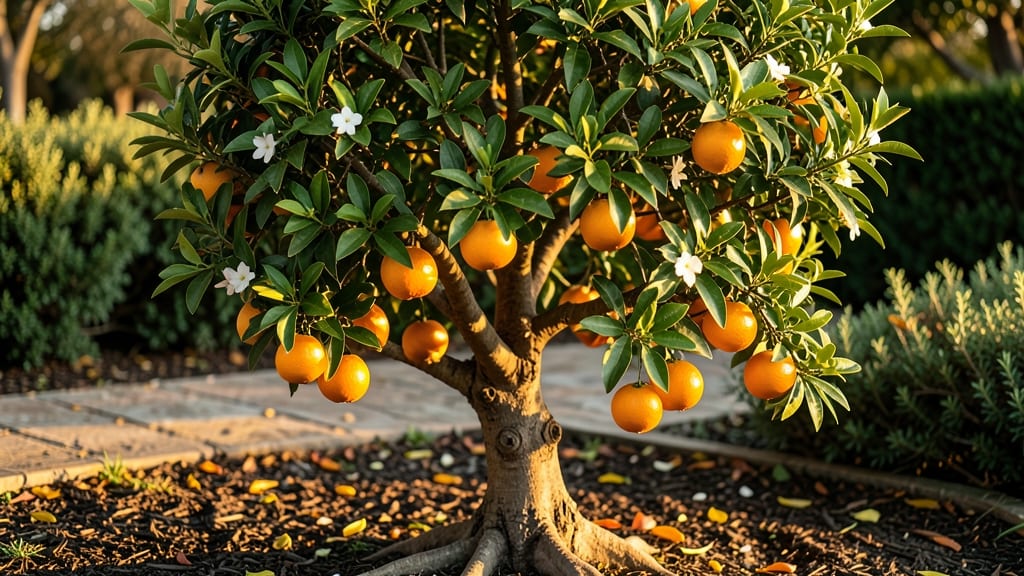
The orange flower tree name is most commonly Citrus × aurantium (bitter orange) or Citrus sinensis (sweet orange), known for their intensely fragrant blossoms used in perfumes and culinary dishes. Other plants like Murraya paniculata (orange jessamine) mimic the scent but belong to entirely different botanical families.
The orange flower tree name most commonly refers to citrus varieties within the Rutaceae family, particularly the bitter orange (Citrus × aurantium) and sweet orange (Citrus sinensis). 🌸 These trees produce iconic white-to-pink blossoms packed with volatile oils that give them their signature citrusy aroma, often used in marmalades and floral waters.
The confusion arises because non-citrus plants like orange jessamine (Murraya paniculata) share the scent but lack the same botanical lineage—making them botanical imposters in the floral world.
What sets true citrus orange flower trees apart is their hybrid heritage, combining traits from multiple citrus species.
Their flowers aren't just ornamental—they're functional too, used in everything from orange blossom water to traditional Middle Eastern desserts. 💫 While some gardeners prefer the hardier Murraya paniculata, citrus varieties offer that authentic orange-citrus experience that's hard to replicate.
💡 In This Article
- Botanical Classification of Citrus Trees with Orange Flowers
- Best Orange Flower Trees for Gardens and Landscaping
Botanical classification of citrus trees with orange flowers
The orange flower tree's scientific name originates from the Citrus genus, specifically Citrus × aurantium (bitter orange) and Citrus sinensis (sweet orange), both belonging to the Rutaceae family.
These trees are hybrids—Citrus × aurantium likely descended from Citrus maxima (pummelo) and Citrus reticulata (mandarin), while Citrus sinensis evolved from similar ancestors. Their flowers contain volatile oils like linalool and limonene, which create that unmistakable citrus aroma 🌿.
The key difference lies in their botanical families: true citrus trees (like bitter and sweet orange) belong to Rutaceae, while orange jessamine (Murraya paniculata) is part of the Rutaceae family but a different subfamily (Murraya).
Though both produce orange-scented flowers, citrus varieties have thicker petals and a stronger floral fragrance due to higher limonene content—up to 0.5% in bitter orange blossoms compared to 0.1-0.2% in jessamine.
Citrus flowers also play a critical ecological role: their nectar attracts pollinators like bees and butterflies, while their fruit provides food for birds and mammals. In contrast, Murraya paniculata flowers are primarily ornamental, lacking the same ecological functionality.
The bitter orange's hybrid vigor makes it more resilient in Mediterranean climates (USDA zones 8-11), while sweet orange thrives in tropical/subtropical regions 🌍.
What most gardeners overlook is the genetic diversity within citrus hybrids. For example, the Citrus × aurantium cultivar 'Four Seasons' produces flowers year-round, whereas standard sweet orange trees bloom seasonally.
This genetic variation explains why some orange flower trees have stronger fragrances—it's tied to their hybrid ancestry and selective breeding for floral traits.
Botanists classify these trees based on flower structure too: citrus blossoms have 4-5 petals with a tubular shape, while Murraya flowers have 5-6 petals and a more star-like form. These differences aren't just academic—they affect how the plants are cultivated and used.
For instance, citrus flowers are easier to harvest for perfumery because their petals detach cleanly due to their thinner texture.
One fascinating detail is how these trees' classification affects their uses: Citrus × aurantium flowers are the primary source of orange blossom water in Middle Eastern cuisine, while Murraya flowers are rarely used in cooking.
This distinction matters because citrus varieties contain higher levels of essential oils that withstand heat processing—key for making marmalades and syrups 🍯.