
Trees
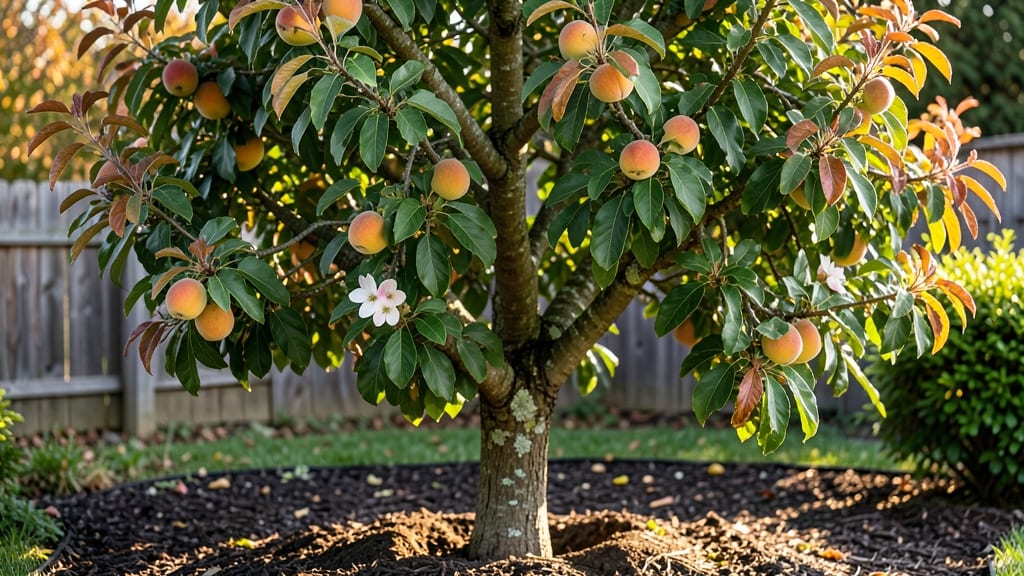
Your peach tree leaves turning orange might signal stress, disease, or even a nutrient deficiency—none of which are permanent if you act fast. 🌳 I’ve seen this happen after a harsh winter, fungal infections, or even zinc shortages, and the good news is most cases have simple fixes that work in 2-3 weeks if caught early.
Start by checking the leaf edges—if they’re crispy, it’s likely environmental stress; if you see yellow-orange spots or curled leaves, fungal disease or pests are probably at play.
Grab a pair of gloves, a magnifying glass, and a soil test kit from your local garden center, and we’ll narrow it down step by step.
📚 In This Guide
- What you need
- Instructions
- Tips and common mistakes
- Wrapping up and next steps
What you need
- ● Gloves (nitrile or leather) – 1 pair (to protect your hands from thorns and sap).
- ● Hand lens or magnifying glass – 1 (for inspecting leaf details up close).
- ● Pruning shears or small pruning saw – 1 (sterilized with rubbing alcohol; for removing affected branches).
- ● pH testing kit (soil) – 1 (to check if soil acidity is a factor).
- ○ Moisture meter (optional but helpful) – 1 (to assess soil hydration levels).
- ● Garden hose with spray nozzle – 1 (for rinsing leaves and testing moisture).
- ● Notebook & pen – 1 (to log observations like leaf color changes, spots, or wilting patterns).
- ● Fungicide (copper-based or neem oil spray) – 1 bottle (if fungal disease is suspected).
- ● Fertilizer (balanced 10-10-10 or iron supplement) – 1 bag (if nutrient deficiency is the culprit).
- ● Digital camera – 1 (to document progress before/after treatment).
- ● Soil sample collection kit – 1 (for lab testing if issues persist).
- ● Mulch (organic, like wood chips) – 2-3 bags (to improve soil health and moisture retention).
- ● Tree-specific diagnostic guidebook – 1 (for reference on symptoms and solutions).
Quick fixes for peach tree leaves turning orange
Here's how to diagnose and restore your tree's health—fast.
🌿 Step 1: Check for Environmental Stressors
Start by examining your peach tree's surroundings. Orange leaves often signal nutrient deficiencies or watering issues. Look for dry, crispy edges on leaves—this means underwatering. If the soil feels soggy, you're overwatering. Peach trees need 1-1.5 inches of water weekly, but they hate soggy roots.
Next, scan the tree for uneven sunlight exposure. If only certain branches show orange leaves, they're likely getting too much afternoon sun. Move the tree to a spot with 6-8 hours of morning sun and afternoon shade, especially in late summer when heat stress peaks.
💧 Step 2: Test Soil and Adjust Watering
Dig a 6-inch deep hole near the tree's drip line. If the soil smells musty or feels compacted, it's holding too much water. Amend it with 2 inches of compost to improve drainage. For dry soil, water deeply until moisture reaches 12 inches down, then let the top 2 inches dry out before watering again.
Use a soil probe or screwdriver to check moisture levels. If it comes out clean, you need to water. If it's still damp, wait another day. Mulch the base with 3 inches of organic mulch to retain moisture and regulate soil temperature—just keep it 6 inches away from the trunk to prevent rot.
☀️ Step 3: Identify Nutrient Deficiencies
Orange leaves often mean a lack of nitrogen or iron. For nitrogen, apply ½ cup of 10-10-10 fertilizer around the drip line, then water thoroughly. For iron, use a chelated iron supplement (follow label rates) and water the soil, not the leaves. Avoid over-fertilizing—peach trees prefer balanced nutrition over heavy feeding.
Yellow-orange leaves on new growth? That's likely zinc deficiency. Sprinkle ½ teaspoon of zinc sulfate around the base and water in. Test soil pH—peach trees thrive at 6.0-7.0. If your soil is too alkaline (above 7.5), add sulfur or peat moss to lower the pH gradually.
✂️ Step 4: Rule Out Pests and Diseases
Inspect the undersides of leaves for aphids, spider mites, or scale insects. Wipe off visible pests with a damp cloth dipped in soapy water. For severe infestations, spray with neem oil (1 tablespoon per gallon of water) in the early morning. Avoid chemical pesticides—they can stress the tree further.
Check for fungal signs: brown spots with yellow halos or white powdery residue. Prune affected branches ¼ inch above the infection and sterilize pruners with rubbing alcohol. Thin the canopy by 20-30% to improve airflow—this prevents fungal spread. Remove all fallen leaves from the base to stop spore buildup.
⏰ Step 5: Monitor and Maintain
Keep a log of your tree's progress. Note when leaves regain green color and track watering/fertilizing dates. Healthy peach trees should show new growth by late spring. If orange leaves persist after 4-6 weeks, consult a local extension service for a soil test—hidden issues like boron or manganese deficiencies may need targeted fixes.
Trim back any dead or diseased branches in dormant season (winter). Prune to open the center of the tree for better light penetration. Avoid heavy pruning now—wait until late winter when the tree is fully dormant. This ensures minimal stress during recovery.
Tips & tricks for reviving peach tree leaves
Here’s how to turn those orange leaves back to vibrant green—without losing your patience.
Sunlight Strategy: The 6-8 hours of morning sun mentioned in Step 1 is non-negotiable, but timing matters just as much as duration. If your tree’s leaves are turning orange on the south side (in the Northern Hemisphere), it’s getting too much afternoon heat. Try moving the tree slightly east or provide afternoon shade with a sheer fabric cover during peak sun hours (12-3 PM). This mimics natural shade from other trees and can prevent further stress.
Watering Wisdom: That 1-1.5 inches of water weekly is a guideline, but the real test is soil moisture. I’ve seen peach trees drown in soggy soil because people assumed "water weekly" meant "water every day a little." Use the screwdriver trick from Step 2—if it slides in easily, you’re good. If it comes out clean, water deeply until moisture reaches 12 inches down. Pro tip: Water in the morning so leaves dry before evening, reducing fungal risks.
Fertilizer Timing: The ½ cup of 10-10-10 fertilizer is a great start, but when you apply it matters. Spread it in early spring (before buds swell) or after harvest—not in summer when the tree is already stressed. For iron or zinc deficiencies, apply supplements in late winter or early spring when roots are active. Avoid fertilizing if the soil is waterlogged, as nutrients won’t absorb properly.
Pest Prevention: Neem oil is your best friend for pests, but timing is everything. Spray in the early morning when bees and beneficial insects are less active. Mix the 1 tablespoon per gallon in a spray bottle and apply until leaves are glistening. Reapply every 7-10 days until pests disappear. For scale insects, which can be stubborn, soak a cotton ball in rubbing alcohol and gently wipe them off—it’s tedious but effective.
Pro Tips for Peach Tree Leaves Turning Orange
- Here’s how to turn those orange leaves back to vibrant green—without losing your patience.
- Sunlight Strategy: The 6-8 hours of morning sun mentioned in Step 1 is non-negotiable, but timing matters just as muc...
- Watering Wisdom: That 1-1.5 inches of water weekly is a guideline, but the real test is soil moisture. I’ve seen peac...
Frequently asked questions
Got questions about your peach tree’s vibrant orange leaves? You’re not alone! Here are some of the most common concerns—and quick answers—to help you troubleshoot and care for your tree.
Why are my peach tree leaves turning orange in early fall?
Orange leaves in autumn are usually a natural response to temperature drops and shorter daylight. Peach trees (like many fruit trees) produce anthocyanins—pigments that create those fiery hues—as a way to recycle nutrients before dormancy. If your tree is otherwise healthy (no wilting, spots, or pests), this is likely just seasonal stress.
Could orange leaves mean my peach tree is sick or dying?
While autumn color is normal, unexpected orange leaves in spring/summer or paired with other symptoms (yellowing veins, curled edges, or leaf drop) could signal nutrient deficiencies (like potassium or magnesium), bacterial leaf spot, or fungal infections. Check for spots, discoloration on the undersides, or pests like aphids. If in doubt, test your soil or consult a local extension service.
Should I water my peach tree more if the leaves are turning orange?
Watering needs depend on the season and soil conditions. In autumn, reduce watering gradually as the tree prepares for dormancy—overwatering can stress roots. However, if the ground is bone-dry or your tree is in summer with orange leaves, deep watering 1–2x per week (1–1.5 inches per session) may help. Mulch around the base to retain moisture.
Can I prune my peach tree now if the leaves are orange?
Pruning after leaf drop (late winter/early spring) is ideal, but you can lightly trim dead or diseased branches now—just avoid heavy pruning, which stresses the tree. Focus on removing any branches with blackened spots, cankers, or dieback (common with fungal issues). Sterilize pruners with rubbing alcohol to prevent spreading disease.
Will orange leaves affect my peach harvest next year?
If the orange leaves are seasonal, your tree should rebound and produce fruit next year. However, if the issue is disease-related (like leaf curl or bacterial spot), it may reduce yield or fruit quality. Treat the tree with copper fungicide (for bacterial issues) or neem oil (for pests) as a precaution. Monitor for fruit set in spring—healthy leaves = better peaches!
Pro Tip: Quick Fixes to Boost Tree Health
- Fertilize: Apply a balanced fruit-tree fertilizer (10-10-10 or similar) in early spring to replenish nutrients.
- Mulch: Add 2–3 inches of organic mulch (wood chips, straw) to retain moisture and regulate soil temp.
- Inspect: Flip leaves to check for pests (mites, scale) or fungal spores.
- Thin Fruit: If your tree is overloaded with peaches, thinning can reduce stress on the tree.
Wrapping up and next steps
Don’t let those orange peach tree leaves stress you out—most issues have simple fixes! Whether it’s nutrient deficiencies, pests, or seasonal stress, early action can save your tree.
Start by inspecting the leaves and soil, then apply the right treatments (like balanced fertilizer or organic sprays) to restore health.
🌿 Next step: Pick one solution from this guide and monitor your tree weekly. With patience and care, your peach tree will bounce back—and you’ll enjoy those sweet fruits for years to come! 🍑✨