
Leaf Blower
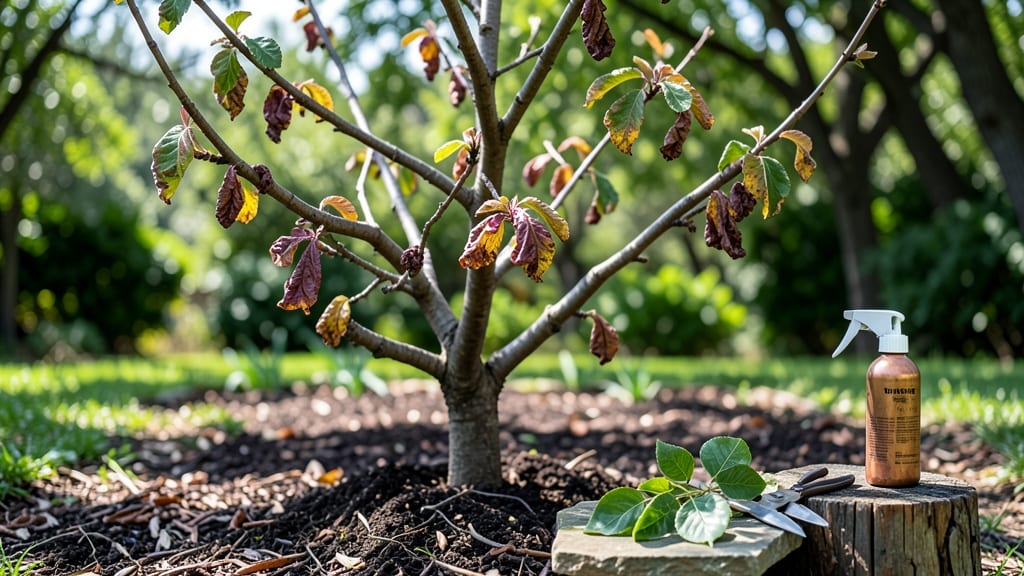
Your peach tree’s curled leaves are a classic sign of peach tree problems leaf curl, a fungal infection that’s more than just an eyesore—it’s a serious cry for help from your tree. 🌿 I’ve seen this disease twist beautiful peach foliage into puckered, stunted messes, but the good news?
With the right organic approach, you can bring those leaves back to vibrant green in just a few seasons.
The culprit is Taphrina deformans, a fungus that thrives in cool, wet springs. It spreads through spores on wind and rain, turning tender new growth into thick, leathery curls that struggle to photosynthesize. The silver lining? This disease is manageable—even without harsh chemicals—if you act fast and stay consistent.
By combining copper sprays, proper pruning, and a few smart cultural tweaks, you’ll watch your tree bounce back with healthier foliage that actually produces fruit. The key is catching it early and giving your tree the support it needs to fight back naturally.
This works for both young trees and mature ones, whether you’re dealing with a first outbreak or an annual battle. Let’s get your peach tree back to its best—and keep those sweet summer fruits coming.
Root Causes Of Leaf Curl
Leaf curl in peach trees is a frustrating sight—twisted, puckered leaves that stifle growth and reduce fruit quality. But why does it happen? The answer lies in a mix of pathogens, environmental stress, and tree health factors.
Understanding these root causes is the first step to organic prevention and treatment. Let’s break down the science behind the problem.
The most common culprit behind leaf curl in peach trees is the Taphrina deformans fungus. This microscopic pathogen thrives in cool, wet springs, when peach trees are just budding. Here’s how it works:
- Spore Germination: The fungus overwinters on infected leaves, buds, or bark. When spring arrives, rain splashes spores onto fresh peach blossoms and leaves. - Infection Cycle: The spores penetrate the leaf tissue, triggering abnormal cell growth.
Instead of flat, green leaves, the fungus causes cells to pucker and thicken, creating the signature curled appearance. - Nutrient Drain: Infected leaves become stunted and yellowish, robbing the tree of energy it needs for fruit development.
Pro Tip: 🌡️ Monitor humidity levels—fungi love moisture. If your region has frequent spring rains, take preventive action early.
Peach trees are resilient, but extreme weather swings can weaken their defenses, making them susceptible to leaf curl. Key stressors include:
- Late Frosts: If a hard freeze hits after buds have swollen but before leaves fully unfold, it damages new growth.
The tree’s response? Curling leaves as it tries to protect itself. - Heat Stress: Sudden heatwaves (especially after a cold snap) can cause physiological stress, leading to leaf distortion.
Young leaves are particularly vulnerable. - Poor Drainage: Waterlogged soil starves roots of oxygen, weakening the tree’s immune response. Root rot can follow, making fungal infections worse.
Actionable Fix: 💡 Mulch properly (2–4 inches of organic mulch) to regulate soil temperature and moisture, reducing stress.
A peach tree under duress is like a person with a weak immune system—any pathogen can take hold. Common health issues that worsen leaf curl include:
- Nutrient Deficiencies:
- Nitrogen (N) deficiency → Pale, yellowing leaves (chlorosis), making the tree more prone to fungal attacks.
- Zinc (Zn) or Iron (Fe) deficiency → Interveinal chlorosis (yellowing between veins), weakening leaf structure.
- Over-Fertilization: Too much nitrogen can lead to rapid, weak growth, which fungi exploit. Imbalanced pH (soil too acidic or alkaline) also hampers nutrient uptake.
- Physical Damage: Hail, strong winds, or improper pruning create entry points for fungi. Wounded bark is a buffet for Taphrina deformans.
Pro Tip: 🔥 Test your soil (pH 6.0–7.0 is ideal for peaches) and fertilize in early spring with a balanced organic formula (e.g., 10-10-10).
Fungal spores are highly contagious. If your tools or neighboring trees are infected, leaf curl can spread like wildfire.
How? - Pruning Shears: Cutting infected branches without sterilizing tools transfers spores to healthy parts of the tree. - Windborne Spores: If a nearby plum, apricot, or almond tree (all susceptible to Taphrina) is infected, spores can drift to your peach tree. - Infected Nursery Stock: Buying a peach tree with pre-existing fungal spores guarantees trouble.
Prevention Tip: ✨ Sterilize pruners with 70% rubbing alcohol or a 10% bleach solution between cuts. Remove and destroy heavily infected leaves (don’t compost them!).
Some pests weaken peach trees, making them more vulnerable to leaf curl. The worst offenders: - Scale Insects: These sap-sucking bugs inject toxins into leaves, causing yellowing and curling.
They also excrete honeydew, which attracts sooty mold—a fungal hitchhiker. - Aphids: Clusters of aphids distort new growth, and their viruses or bacteria can predispose leaves to fungal infections. - Peach Tree Borers: Larvae tunnel into bark, disrupting the tree’s vascular system.
A stressed tree is a fungus magnet.
Solution: 🎯 Introduce beneficial insects (ladybugs, lacewings) or spray neem oil to deter pests before they cause damage.
Quick Fixes for Leaf Curl Woes
Leaf curl on your peach tree isn’t just an eyesore—it can weaken your tree if left unchecked. The good news? Most causes have straightforward, organic solutions. Below, we break down the fixes by root cause, so you can take action fast and keep your tree thriving.
If your peach tree’s leaves are curling, puckering, and turning reddish-brown, Taphrina deformans—the fungus behind peach leaf curl—is likely the culprit. Here’s how to tackle it:
🔥 Remove Infected Leaves Immediately
Start by pruning and disposing of all curled, distorted, or discolored leaves. Do not compost them—bag them and toss them in the trash to prevent spores from spreading.
🍳 Apply Organic Fungicides Early
Prevention is key with fungal diseases. Spray your tree with these organic treatments before buds swell in early spring (or right after leaf drop in fall):
- Baking Soda Spray: Mix 1 tbsp baking soda, 1 tbsp horticultural oil, and 1 tsp mild soap in 1 gallon of water. Spray thoroughly, focusing on buds and new growth.
- Copper Fungicide: Use a fixed copper spray (like Copper Soap) following label instructions. Reapply every 2–3 weeks during wet seasons.
- Neem Oil: A natural fungicide and insect repellent. Mix 2 tbsp neem oil with 1 tsp soap in 1 gallon of water. Spray in the evening to avoid burning leaves.
👨🍳 Improve Air Circulation
Fungal spores thrive in damp, crowded conditions. Thin out branches to allow sunlight and air to reach the center of the tree. Remove any nearby debris or weeds that could harbor moisture.
🌡️ Adjust Watering Habits
Overhead watering keeps leaves wet, creating a perfect breeding ground for fungi. Instead:
- Water deeply but infrequently at the base of the tree.
- Avoid watering in the evening—morning or early afternoon is best.
- Use a drip irrigation system if possible to keep foliage dry.
If leaf curl is paired with sticky residue (honeydew), tiny webs, or visible pests, insects are likely the problem. Here’s how to evict them:
🔪 Blast Off Pests with Water
For aphids or mites, a strong stream of water from your hose can knock them off the tree. Do this early in the morning to minimize stress on the plant.
🍳 Introduce Beneficial Insects
Ladybugs, lacewings, and parasitic wasps are natural predators of sap-sucking pests. Purchase them from a garden center or attract them by planting dill, fennel, or marigolds nearby.
🥘 Use Insecticidal Soap or Oil
Mix 1.5 tbsp insecticidal soap or 1 tbsp horticultural oil per gallon of water and spray directly on infested areas. Reapply every 5–7 days until pests are gone.
🎯 Prevent Future Infestations
Keep your tree healthy to deter pests:
- Apply a light mulch layer (2–3 inches) to retain moisture and suppress weeds.
- Prune regularly to remove crowded or dead branches where pests hide.
- Avoid broad-spectrum synthetic pesticides, which can kill beneficial insects.
Leaf curl can also signal your peach tree is struggling with water—either too much or too little. Adjust your care routine to restore balance.
🌡️ Check Soil Moisture
Stick your finger 2 inches into the soil. If it’s dry, water deeply. If it’s soggy, hold off and let it dry out.
💧 Adjust Your Watering Schedule
Peach trees need 1–1.5 inches of water per week, including rainfall. Use a moisture meter or the "drip test" (dig a small hole and check for dampness) to gauge needs.
✨ Improve Soil Drainage
If your tree is in heavy clay soil, amend it with compost or sand to improve drainage. For container-grown peach trees, ensure pots have drainage holes.
Once you’ve treated the issue, keep these tips in mind to prevent future leaf curl:
- Plant resistant varieties: Some peach cultivars (like Redhaven or Elberta) are less susceptible to leaf curl.
- Fertilize properly: Use a balanced organic fertilizer (like 10-10-10) in early spring and again after harvest. Avoid over-fertilizing with nitrogen.
- Monitor for early signs: Check your tree weekly for curling leaves or fungal spots. Catching issues early makes treatment easier.
- Sanitize pruning tools: Wipe blades with rubbing alcohol between cuts to prevent spreading disease.
With these fixes, your peach tree should bounce back with lush, healthy foliage in no time. Stay vigilant, and your tree will reward you with sweet, juicy peaches for years to come! 🍑
Frequently asked questions about peach tree leaf curl
Why do peach tree leaves curl into thick, leathery shapes?
The classic curled, puckered leaves are caused by Taphrina deformans, a fungus that triggers abnormal cell growth. This pathogen thrives in cool, wet springs and spreads through spores on wind and rain, creating the signature distorted foliage that struggles to photosynthesize properly.
Can I still harvest fruit from a peach tree with leaf curl?
Yes, but the quality may suffer. While leaf curl primarily affects foliage, severe infections can reduce fruit size and sweetness. Focus on treating the disease first—healthy leaves mean better fruit development. Harvest what you can, but expect smaller yields during active outbreaks.
How do I tell if my peach tree has leaf curl vs. pest damage?
Leaf curl from fungus appears as thick, leathery, reddish-brown leaves that curl downward. Pest damage (like aphids or mites) often shows as yellowing, curling, or sticky residue, plus visible bugs. Check the undersides of leaves—pests leave behind webbing or honeydew, while fungal curl has no pests present.
Will pruning help stop leaf curl from spreading?
Prune all infected branches (including curled leaves) down to healthy wood. Sterilize your tools between cuts with rubbing alcohol, and dispose of infected material in the trash—not compost. Thin out crowded branches to improve airflow, which reduces fungal spores' ability to thrive.
Are there peach tree varieties that resist leaf curl?
Some cultivars show better resistance, like Redhaven or Elberta. For maximum protection, choose disease-resistant varieties from reputable nurseries. Even then, proper care (fungicide sprays, sanitation) is key—no variety is completely immune to fungal infections in ideal conditions.