
Pruning
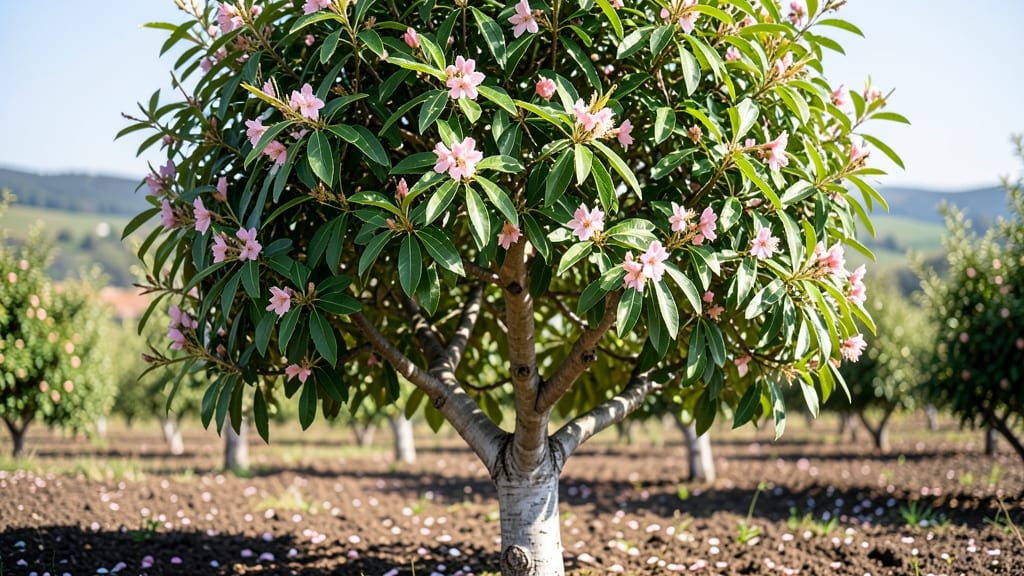
Almond trees grow best in USDA hardiness zones 5 through 9, with peak performance in zones 6 to 8 where winter temperatures stay above 10°F (-12°C) and summers consistently reach 70°F+ (21°C+). Popular varieties like 'Nonpareil' and 'Butte' thrive in these ranges, while cold-resistant types like 'Fritz' can survive zone 5 with proper care.
Understanding your almond tree zone isn't just about survival—it's about maximizing nut production.
These trees need 200-700 chilling hours (below 45°F) to trigger blooming, which explains why zone 5 varieties like 'Fritz' are bred for northern climates. 🌱 Meanwhile, southern zones (8-9) face heat stress risks that can reduce pollination success.
The right variety makes all the difference between a bountiful harvest and struggling growth.
For example, 'Nonpareil'—a top commercial variety—struggles below zone 6 due to frost sensitivity, while 'Carmel' handles California's Mediterranean climate (zones 7-9) with ease. Even within zones, microclimates matter: coastal areas stay milder than inland regions, potentially expanding viable growing zones by one or more.
Always check your local last frost date and summer heat patterns when selecting a tree.
💡 In This Article
- How USDA Zones Affect Almond Tree Survival and Fruit Production
- Top Almond Tree Varieties Ranked by Climate Adaptability
How USDA zones affect almond tree survival and fruit production
Almond trees rely on a delicate balance of winter chill and summer warmth to produce nuts. The USDA zones categorize this balance by temperature ranges, but what actually happens inside the tree? During dormancy, almond trees require 200-700 chilling hours (temperatures below 45°F) to break dormancy and trigger blooming.
For example, 'Fritz' needs only 300-400 hours, making it perfect for zone 5, while 'Nonpareil' demands 500-600 hours, limiting it to zones 6-8. Too little chill (like in zone 9) prevents blooming, while excessive cold below -10°F (-23°C) can damage flower buds.
The science gets even more precise when considering frost timing. Almond trees bloom in early spring, making them vulnerable to late frosts (28°F/-2°C or lower). In zone 7, a single late frost can destroy 80% of blossoms, slashing nut production.
Meanwhile, zones 8-9 face heat stress risks: temperatures above 95°F (35°C) during pollination reduce bee activity, cutting fertilization rates by up to 40%. The tree's vascular system also struggles with extreme heat, causing premature leaf drop and nutrient loss.
Summer temperatures matter just as much as winter chill. Almonds need 70-90 days of consistent warmth above 70°F (21°C) for proper nut development. In zone 9, this becomes challenging as summer heat waves can exceed 100°F (38°C)
The tree's roots also require well-drained soil to prevent rot—zone 7's humid summers demand extra attention to irrigation practices to avoid fungal diseases like brown rot. Here's how zones break down practically:
What most growers don't realize is how microclimates within a zone can create exceptions. A south-facing slope in zone 6 might get 100 extra chilling hours, while a coastal zone 7 area stays 5°F warmer than inland. Always check your local weather station data for 30-year averages—not just the zone number—to make accurate decisions. The real magic happens during pollination. Almonds are self-sterile, requiring cross-pollination between different varieties. In zone 8, for example, you'd need to plant both 'Nonpareil' and 'Butte' within 100 feet of each other. The timing of this pollination window (typically 2-3 weeks) must align with bee activity—something that can shift by 1-2 weeks between zones 6 and 9. For home growers, this means your zone isn't just about survival—it's about predicting your harvest. In zone 7, you might get 50% smaller yields if you plant a zone 9 variety without proper heat mitigation. The right variety matched to your exact microclimate can mean the difference between 20 lbs of nuts per tree or none at all. 🌳