
Pruning
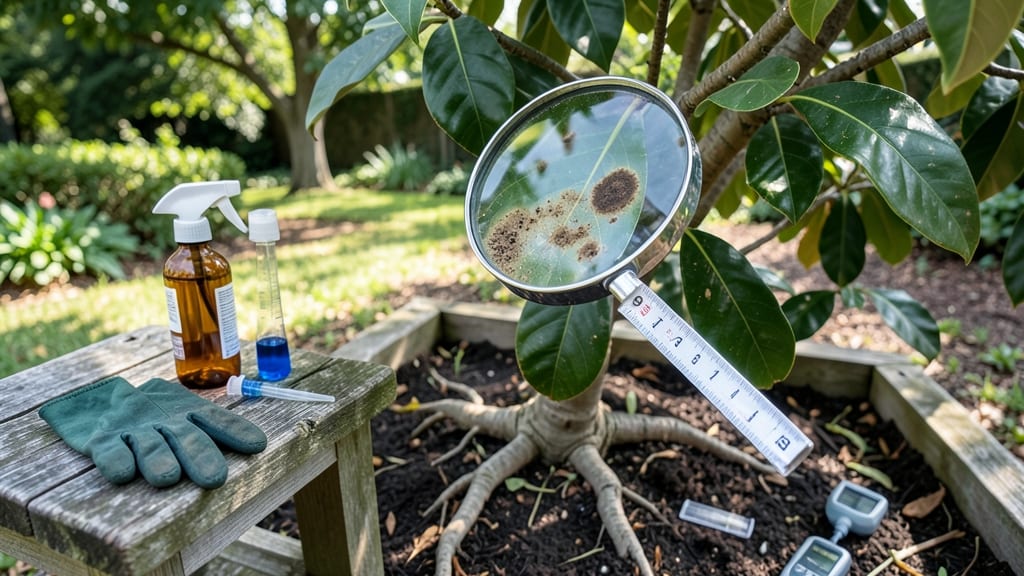
Magnolia tree leaf problems like yellowing, spots, and curling can turn your stunning specimen into a sad shadow of itself—unless you know what’s really going on. 🌿 I’ve seen powdery mildew turn glossy leaves to dust, scale insects drain sap until leaves curl like parchment, and nutrient deficiencies leave magnolias looking half-dead when they’re not.
The good news? Most issues have simple fixes once you identify the culprit. Yellow leaves often mean overwatering or root rot, while brown spots could signal fungal infections like anthracnose or even environmental stress from harsh winds. Curling?
That’s usually pests like lace bugs or spider mites sucking the life out of your tree. The key is acting fast—once the damage spreads, recovery gets harder. With the right treatment, your magnolia can bounce back. Fungal issues? Prune affected branches and apply neem oil.
Pests? A strong spray of insecticidal soap does the trick. Nutrient deficiencies? A balanced fertilizer in early spring works wonders. I’ve revived magnolias from near-death with these steps—you can too. This isn’t just about saving leaves; it’s about keeping your magnolia healthy for decades.
Whether it’s a young sapling or a mature giant, the solutions here work. Let’s get your tree back to its glory.
Root Causes of Leaf Trouble
Understanding why your magnolia tree’s leaves develop issues—whether yellowing, spots, or curling—starts with identifying the underlying triggers. These problems rarely happen in isolation; they’re almost always a response to environmental stress, pest activity, or disease.
Below, we break down the key culprits behind magnolia leaf problems, explained in clear, actionable terms.
Fungi thrive in warm, damp conditions, making magnolia trees particularly vulnerable—especially after rain or overhead watering.
Common fungal foes include: - Magnolia Leaf Spot (Actinopelte spp.): Causes dark, irregular spots with yellow halos, often leading to premature leaf drop. - Anthracnose (Elsinoë spp.): Produces small, sunken lesions with a velvety texture, often on younger leaves. - Powdery Mildew (Oidium spp.): Creates a white, powdery coating on leaves, reducing photosynthesis.
Why it happens: Fungi spread via spores, which latch onto leaves through wounds (like from pruning) or natural openings (stomata). Overhead irrigation or dense foliage traps moisture, creating the perfect breeding ground. Weakened trees—due to poor soil, drought, or nutrient deficiencies—are especially susceptible.
Insects don’t just eat leaves; they inject toxins, sap nutrients, and create entry points for diseases.
Watch for these common pests: - Magnolia Scale (Neolecanium cornuparvum): A sap-sucking insect that leaves sticky honeydew, attracting sooty mold. - Webworms (Tetralopha spp.): Spin silk webs in leaf axils, causing curling and skeletonization. - Japanese Beetles (Popillia japonica): Chew irregular holes in leaves, often targeting younger growth.
Why it happens: Pests are drawn to stressed trees—those with poor soil, drought stress, or recent trauma (like improper pruning). Adult beetles and scales often arrive via wind or birds, while larvae overwinter in soil, emerging when conditions are ideal (warmth + moisture).
Magnolias are drought-tolerant but hate soggy roots.
Water-related stress manifests as: - Yellowing leaves (chlorosis): Often from overwatering or poor drainage, limiting nutrient uptake (especially iron/manganese). - Curling or crispy edges: A sign of underwatering or transplant shock, where roots can’t absorb moisture fast enough. - Drooping leaves: Can indicate root rot (Phytophthora spp.), caused by waterlogged soil.
Why it happens:
- Overwatering: Compacts soil, suffocating roots and promoting fungal growth.
- Underwatering: Triggers osmotic stress, forcing leaves to curl to conserve water.
- Poor drainage: Common in clay-heavy soils, where water pools around roots, cutting off oxygen.
Magnolias are adaptable, but extreme conditions can push them over the edge:
- Sunburn: Yellow or brown patches on exposed leaves (common after winter or in harsh climates).
- Wind damage: Ragged edges or torn leaves from high winds, especially in young trees.
- Temperature swings: Sudden freezes or heatwaves disrupt cell function, causing chlorosis or necrosis.
Why it happens:
- Sunburn: Occurs when leaves are suddenly exposed to full sun after shade (e.g., new plantings or pruned branches).
- Wind: Physically damages leaf tissue, increasing susceptibility to pests/disease.
- Temperature shock: Cold snaps can freeze leaf cells, while heat stress (above 90°F) disrupts chlorophyll production.
Magnolias need balanced nutrition, and deficiencies show up as:
- Yellowing between veins (iron/chlorosis).
- Purple undersides (phosphorus deficiency).
- Stunted growth + small leaves (nitrogen deficiency).
Why it happens:
- Compacted or acidic soil (pH < 5.5) locks out nutrients like iron and manganese.
- Over-fertilizing with nitrogen can burn roots, reducing uptake of other essential minerals.
- Poor organic matter limits microbial activity, which helps break down nutrients for absorption.
Improper pruning or mechanical injury can trigger leaf problems:
- Curling or scorch marks: From pruning too late in the season (stimulates new growth vulnerable to frost).
- Blackened edges: Caused by power tool damage or string trimmer hits.
- Dieback: When large branches are removed improperly, shocking the tree.
Why it happens:
- Wrong timing: Pruning in late summer/fall encourages tender new growth that can’t survive winter.
- Aggressive cuts: Removing more than 25% of foliage at once stresses the tree.
- Improper tools: Dull blades tear tissue, inviting disease.
Sometimes, the problem isn’t the tree—it’s the hitchhikers:
- Birds spread fungal spores (like anthracnose) via droppings.
- Deer/mice chew bark or leaves, creating wounds for pathogens.
- Garden tools transfer diseases between plants if not sanitized.
Why it happens:
- Spores hitch rides on wind, water, or animals, landing on susceptible trees.
- Human activity (e.g., moving infected mulch or sharing tools) accelerates spread.
Before treating, rule out the cause with this quick guide:
- Check the soil: Is it soggy, dry, or compacted? Test pH with a kit.
- Inspect leaves: Are spots oily (fungal), sticky (scale), or chewed (insects)?
- Look at the tree’s history: Recent pruning? Drought? New mulch?
- Monitor timing: Problems after rain? Likely fungal. After heatwave? Heat stress.
Act fast: Many issues (like fungal infections) spread within 48 hours—early intervention saves your magnolia!
How to Fix Magnolia Leaf Issues
Once you’ve identified the root cause of your magnolia tree’s leaf problems, it’s time to take action. The good news? Most issues can be resolved with simple, targeted care. Below are practical, step-by-step solutions tailored to each common problem, plus prevention tips to keep your tree thriving.
Yellowing leaves are often a sign of overwatering, nutrient deficiencies, or fungal issues. Here’s how to revive your magnolia:
💧 Correct Watering Practices - Stop overwatering immediately—magnolias prefer well-draining soil and moderate moisture.
Let the top 2–3 inches of soil dry out between waterings. - Improve drainage by amending heavy clay soil with compost or sand (a 50/50 mix works well). - Water deeply but less frequently—focus on the root zone (not just the leaves) to encourage strong root growth.
🌱 Boost Nutrients with Fertilizer - Test your soil (a DIY kit or professional lab test helps).
Magnolias thrive in slightly acidic soil (pH 5.0–6.5). - Apply a balanced, slow-release fertilizer (like 10-10-10 or 8-3-9) in early spring before new growth appears. - For iron deficiency (chlorosis), use an iron chelate supplement—follow package instructions for dosage.
🍄 Treat Fungal Issues
- Prune and remove affected leaves (sterilize pruners with rubbing alcohol between cuts).
- Apply a fungicide (copper-based or neem oil) every 2–3 weeks until new, healthy leaves emerge.
- Avoid overhead watering—water at the base to keep foliage dry.
💡 Pro Tip: If yellowing persists, check for root rot—lift the soil gently to inspect roots. If mushy and black, your tree may need transplanting to a drier location.
Fungal or bacterial spots (like anthracnose or leaf spot) require prompt action to prevent spread.
🧼 Clean Up Debris & Prune
- Remove all fallen leaves and debris from the base of the tree—this prevents fungal spores from overwintering.
- Prune infected branches (cut 6 inches below the last spot) and dispose of them in the trash (not compost).
- Sterilize tools between cuts with 10% bleach solution or rubbing alcohol.
🌿 Apply Fungicide & Improve Airflow
- Spray with a fungicide (copper fungicide or neem oil) every 7–10 days until new leaves appear.
- Thin out dense branches to improve air circulation—this reduces humidity, which fungi love.
- Water in the morning so leaves dry quickly.
🌱 Strengthen the Tree’s Defense
- Feed with a balanced fertilizer (like 12-4-8) in early spring to promote vigorous growth.
- Mulch around the base (2–3 inches of wood chips or pine straw) to regulate soil moisture and temperature.
⚠️ Warning: If spots are oily or slimy, you may have a bacterial infection—remove severely infected leaves and call a local arborist for stronger treatments.
Curling leaves often signal pests, environmental stress, or nutrient imbalances. Here’s how to fix it:
🐜 Identify & Eliminate Pests
- Scale insects or spider mites? Spray with neem oil or insecticidal soap (repeat every 5–7 days).
- For magnolia scale, use horticultural oil in late winter/early spring before buds swell.
- Check the undersides of leaves—wipe off pests with a soapy cloth for minor infestations.
🌡️ Adjust Environmental Stressors
- Shade adjustment: If leaves curl in hot sun, provide afternoon shade (especially for young trees).
- Wind protection: Plant near a windbreak (like a fence or shrubs) if your area is exposed.
- Avoid transplant shock: If recently moved, water deeply and avoid fertilizing for 6 weeks.
💪 Balance Soil & Nutrients
- Test for magnesium deficiency (curls often mean low Mg). Apply Epsom salt (1 tbsp per gallon of water) every 2 weeks until leaves improve.
- Avoid over-fertilizing with nitrogen—too much can cause soft, weak growth prone to curling.
💡 Pro Tip: If curling happens only on new growth, it may be hormonal stress—reduce stress by pruning in late winter (not summer) and keeping soil moist but not soggy.
Once your magnolia recovers, keep these habits to prevent future issues:
✅ Water wisely – Deep, infrequent watering > frequent shallow watering. ✅ Mulch properly – Use 2–3 inches of organic mulch, keeping it 6 inches away from the trunk. ✅ Prune at the right time – Late winter/early spring (before buds swell) to avoid stress. ✅ Monitor pests early – Check leaves weekly in spring/summer for early signs of infestation. ✅ Test soil annually – Adjust pH and nutrients as needed (magnolias love acidic, well-draining soil). ✅ Avoid heavy pruning – Remove no more than 20% of foliage at once to prevent shock.
Final Thought: Most magnolia leaf problems are fixable with patience and the right care. Start with one solution at a time, monitor progress, and adjust as needed. With consistent effort, your tree will bounce back—and reward you with lush, vibrant foliage for years to come! 🌿✨
Frequently asked questions
Why are my magnolia leaves turning yellow between the veins?
This classic sign usually means iron deficiency (chlorosis), often caused by alkaline soil (pH above 7.0) or poor drainage. Magnolias need acidic soil (pH 5.0-6.5)—test your soil and amend with sulfur or peat moss if needed. For quick relief, apply an iron chelate fertilizer every 2 weeks until new growth appears.
What should I do if I see white powdery spots on my magnolia leaves?
That’s likely powdery mildew, a fungal disease that thrives in humid conditions. Prune affected branches immediately and sterilize tools with rubbing alcohol. Spray leaves with neem oil or sulfur fungicide every 7-10 days until the problem clears. Improve airflow by thinning dense branches and avoid overhead watering to keep foliage dry.
My magnolia leaves are curling—could it be pests?
Yes! Scale insects or lace bugs are common culprits that suck sap, causing leaves to curl and turn brown. Check leaf undersides for tiny pests or sticky honeydew. Treat with horticultural oil (for scale) or insecticidal soap (for lace bugs), applying every 5-7 days until pests disappear.
Can I prune my magnolia to fix leaf problems?
Pruning helps remove diseased leaves and improve airflow, but timing matters! Only prune in late winter/early spring (before buds swell) to avoid stress. Cut 6 inches below infected areas and sterilize tools between cuts. Never prune more than 20% of foliage at once—this can shock the tree further.
How often should I fertilize a magnolia with leaf problems?
Start with a soil test—magnolias need balanced nutrients but too much fertilizer can burn roots. Apply a slow-release, acidic fertilizer (like 8-3-9) just once in early spring. If you suspect deficiencies, use targeted supplements (e.g., Epsom salt for magnesium) but avoid overdoing it—less is more for stressed trees.