
Pruning
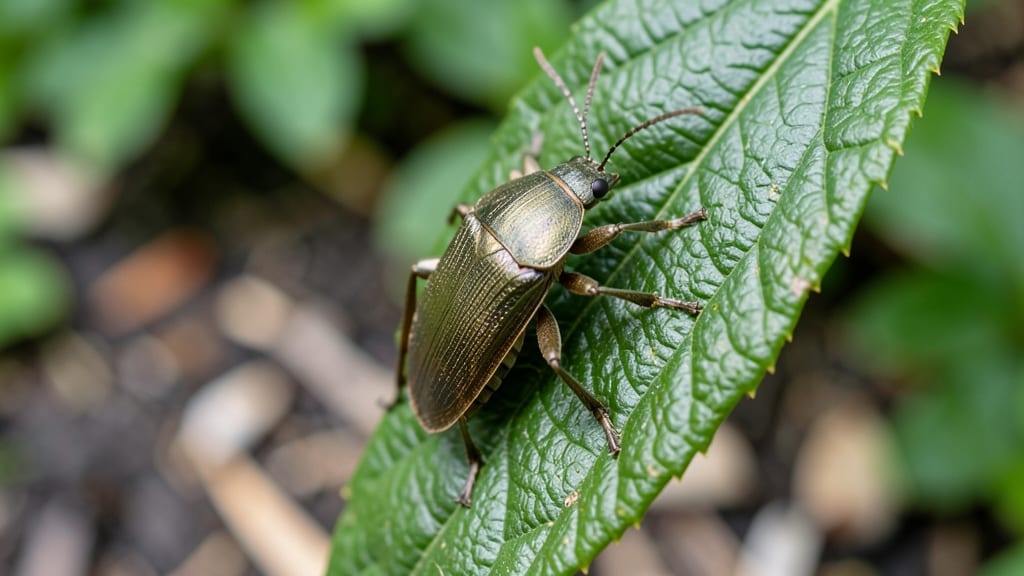
Your pecan tree’s health depends on spotting bugs early—before they turn nuts to mush or leaves to skeleton. 🌿 I’ve battled pecan weevils, aphids, and nut casebearers, and the difference between a thriving tree and a struggling one comes down to three key actions: monitoring, timing, and targeted control.
Most gardeners panic when they see damage, but the real secret is catching pests before they multiply.
The worst offenders—like pecan weevils—lay eggs inside nuts, while aphids cluster on new growth, leaving sticky residue. Nut casebearers? They wrap themselves in silk cocoons on leaves, making them nearly invisible until it’s too late.
The good news? Organic methods like neem oil sprays (applied in early summer) or beneficial nematodes (for soil-dwelling pests) work just as well as harsh chemicals—if you act fast.
By mid-September, your tree should be free of weevil damage and producing high-quality nuts if you’ve been checking for signs weekly. Prune out infested branches in winter, and keep the base of the tree clear of debris where pests hide.
The payoff? A tree that keeps producing for decades instead of fighting back every summer.
This works for home orchards, urban yards, and even container-grown pecan trees. The key is consistency—10 minutes of inspection every week saves hours of cleanup later. Let’s get your tree back to healthy.
Root Causes of Tree Pests
Understanding why bugs target your pecan trees starts with recognizing the environmental, biological, and seasonal triggers that make these trees attractive (or vulnerable) to pests. Here’s a breakdown of the key factors:
A stressed or unhealthy tree is like an open invitation for bugs. Pecan trees under duress—whether from poor nutrition, disease, drought, or physical damage—produce sap-rich leaves, tender bark, or weak structural defenses, making them prime targets for pests like aphids, scale insects, or borers.
- Nutrient Deficiencies: Lack of nitrogen, potassium, or micronutrients (e.g., zinc or magnesium) weakens the tree’s immune response. 💡 Pro Tip: Conduct a soil test to check pH and nutrient levels—aim for a balanced 6.0–7.0 pH for pecans.
- Water Stress: Drought or overwatering disrupts the tree’s ability to produce protective resins and tannins, which deter pests. ✨ Key Fact: Pecan trees need 1–1.5 inches of water per week during dry spells.
- Physical Damage: Broken branches, bark wounds (from hail or tools), or root injury create entry points for sap-sucking insects and wood-boring larvae.
Bug populations explode during specific times of year, aligning with pecan tree growth stages. For example: - Spring: Soft new leaves attract aphids and mites, which feed on tender foliage.
Warmth also triggers scale insects to emerge from overwintering eggs. - Summer: High humidity and heat stress the tree, while stink bugs and caterpillars target developing nuts and leaves. - Fall: As trees prepare for dormancy, borers and weevils lay eggs in bark crevices, ensuring a fresh infestation next season.
🔥 Actionable Insight: Monitor your tree weekly during peak seasons (April–July) for early signs like honeydew, wilting, or chewed leaves.
How you maintain your pecan tree directly impacts pest pressure:
- Overcrowded Canopy: Dense foliage traps moisture, creating ideal conditions for fungal pests (like sooty mold) and soft-bodied insects (e.g., mealybugs).
- Dead or Diseased Wood: Decaying branches harbor borers and bark beetles, which tunnel into healthy tissue.
- Lack of Airflow: Stagnant air under the canopy increases humidity, benefiting scale, mites, and aphids.
🌡️ Pruning Best Practice: Remove dead wood in late winter/early spring (before pests wake up) and thin the canopy to 20–30% openness for airflow.
Pecan trees in agricultural or urban areas face additional risks:
- Pesticide Overuse: Chemical residues can kill natural predators (like ladybugs or parasitic wasps), leading to pest outbreaks when bugs lose their checks and balances.
- Monoculture Plantings: Large pecan orchards with no biodiversity reduce beneficial insect populations, making trees more susceptible to infestations.
- Urban Heat Islands: Cities with higher temperatures accelerate pest life cycles, causing faster reproduction rates.
🎯 Sustainable Fix: Plant native companion plants (e.g., marigolds, basil, or clover) near pecan trees to attract predatory insects.
Some bugs are drawn to pecan trees by specific cues:
- Sugary Sap: Trees under stress exude sticky honeydew, which attracts ants (who "farm" aphids for their sap).
- Volatile Compounds: Damaged or diseased leaves release chemical signals that lure pests like stink bugs or leaf miners.
- Moisture-Rich Bark: Cracks in bark (from drought or poor pruning) provide hiding spots for borers and bark lice.
💡 Early Detection Tip: Shake branches over a white sheet—visible bugs or eggs confirm an infestation before symptoms appear.
Pecan trees in Southern states (e.g., Georgia, Texas) face unique challenges:
- Hurricanes/Storms: Wind damage exposes fresh wood, inviting borers and beetles.
- Extreme Heat: Drought-stressed trees in the Deep South become magnets for pecan nut casebearers (a major nut pest).
- Flooding: Waterlogged roots weaken trees, making them susceptible to root-feeding grubs.
🌡️ Regional Adaptation: In flood-prone areas, raise soil levels around the base or choose drought-resistant pecan varieties (e.g., 'Desirable' or 'Cape Fear').
Bugs don’t attack healthy, well-maintained pecan trees—they target weakness. By addressing nutrient imbalances, seasonal risks, pruning habits, and environmental stressors, you can dramatically reduce pest pressure before it becomes a full-blown infestation. The next step? Natural control methods to keep your tree thriving!
Natural Ways to Treat Tree Pests
Pecan trees are a prized addition to any landscape, but pesky bugs can turn your healthy orchard into a battleground. The good news? You don’t need harsh chemicals to win the fight.
Below, we’ll break down practical, eco-friendly solutions tailored to common pecan tree pests—from sap-sucking invaders to wood-boring menaces. Each fix is paired with prevention tips to keep your trees thriving long-term.
Cause: These tiny pests cluster on leaves and branches, draining sap and leaving behind sticky honeydew (which attracts sooty mold). Fix:
- 💦 Blast Them Off: Use a strong stream of water from a hose to dislodge aphids and scales. Repeat weekly during outbreaks.
- 🌿 Introduce Beneficial Bugs: Ladybugs, lacewings, and parasitic wasps are natural predators. Buy them online or attract them with neem oil sprays (mix 1 tbsp neem oil + 1 tsp mild soap in 1 quart water; spray undersides of leaves).
- 🍯 Trap with Sticky Bands: Wrap tree trunks with Tanglefoot or homemade sticky traps (petroleum jelly + cotton strips) to catch crawling pests.
Prevention:
- 🌱 Prune Regularly: Remove infested branches 12 inches below the damage to starve the colony.
- 🌿 Plant Companion Flowers: Marigolds and dill repel aphids with their strong scents.
Cause: These beetles burrow into pecans, making them unusable. Look for tiny holes in the shell or sawdust-like frass (chewed nut bits) on the ground. Fix:
- 🕵️ Scout Early: Check for entry holes in August–September. Remove and burn or bury infested nuts immediately.
- 🌿 Use Row Covers: Install fine mesh netting over trees in early summer to block adult weevils from laying eggs.
- 🧴 Apply Diatomaceous Earth: Sprinkle food-grade DE around the base of the tree (reapply after rain). It dehydrates crawling pests but is safe for trees.
Prevention:
- 🍂 Clean Up Fallen Nuts: Rake and dispose of dropped pecans to eliminate egg-laying sites.
- 🌳 Thin the Canopy: Ensure good air circulation by pruning dense branches—weevils thrive in shaded, humid conditions.
Cause: These pests tunnel under bark, weakening the tree. Signs include sawdust piles, boreholes, or oozing sap. Fix:
- 🔪 Prune Infested Branches: Cut and burn (don’t compost!) branches with D-shaped exit holes (bark beetle signature).
- 🪲 Trap with Pheromones: Use commercial bark beetle traps baited with aggregation pheromones to lure adults away.
- 🛡️ Seal Wounds: Apply beeswax or tree wound sealant to fresh cuts to deter egg-laying.
Prevention:
- 💧 Water Deeply: Stress-free trees resist borers. Water deeply 1–2 times per week during droughts.
- 🌿 Mulch Properly: Keep a 3-inch layer of organic mulch (wood chips, straw) around the base to deter beetles.
Cause: These microscopic pests thrive in dry heat, spinning webs on leaves and causing yellow stippling. Fix:
- 💦 Shower the Tree: Mites hate water. Spray leaves thoroughly every 3–4 days during outbreaks.
- 🌿 Neem Oil Spray: Mix 1 tbsp neem oil + 1 tsp castile soap per gallon of water. Spray early morning or evening to avoid harming bees.
- 🕸️ Introduce Predatory Mites: Phytoseiulus persimilis (a beneficial mite) devours spider mites. Order online or find them in garden centers.
Prevention:
- 💧 Increase Humidity: Mist trees on hot days or use a sprinkler system to deter mites.
- 🌿 Avoid Over-Fertilizing: Too much nitrogen attracts mites. Use balanced, organic fertilizer instead.
No matter the pest, healthy trees fight back better.
Try these year-round strategies: - 🌱 Soil Care: Test soil pH (ideal: 6.0–7.0 for pecans) and amend with compost or aged manure. - 🪓 Prune Smart: Remove dead/diseased wood in late winter to reduce hiding spots. - 🌿 Monitor Seasonally: Check for pests spring (aphids), summer (mites), and fall (weevils).
💡 Pro Tip: Always rotate methods to prevent pests from building resistance. And when in doubt, consult a local arborist—they can ID bugs and recommend tailored solutions!
By acting fast and staying proactive, your pecan tree can stay bug-free and bountiful for years. 🌳✨
Frequently asked questions
What are the most destructive bugs for pecan trees?
The worst offenders are pecan weevils (they ruin nuts from inside), nut casebearers (tiny caterpillars that wrap leaves), and aphids (which leave sticky honeydew). Bark borers and spider mites also cause serious damage if left unchecked.
When is the best time to treat pecan tree pests?
Act in early spring for aphids and mites, summer for nut casebearers, and late summer/fall for weevils. The key is timing treatments with pest life cycles—spray neem oil before eggs hatch, for example.
Can I use chemical pesticides on my pecan tree?
Chemicals like carbaryl or permethrin work but can harm beneficial insects and pollinators. For organic growers, neem oil, insecticidal soap, or kaolin clay are safer alternatives that still control most pests effectively.
How do I know if my pecan tree has a serious infestation?
Look for chewed leaves, honeydew residue, tiny holes in nuts, or sawdust-like frass near the trunk. Shake branches over a white sheet—visible bugs or eggs confirm an active infestation before symptoms appear.
Will pruning help control pecan tree bugs?
Yes! Prune in late winter to remove dead/diseased wood (which harbors borers) and thin the canopy for better airflow. This reduces hiding spots and makes it easier to spot early signs of pests.