
Pruning
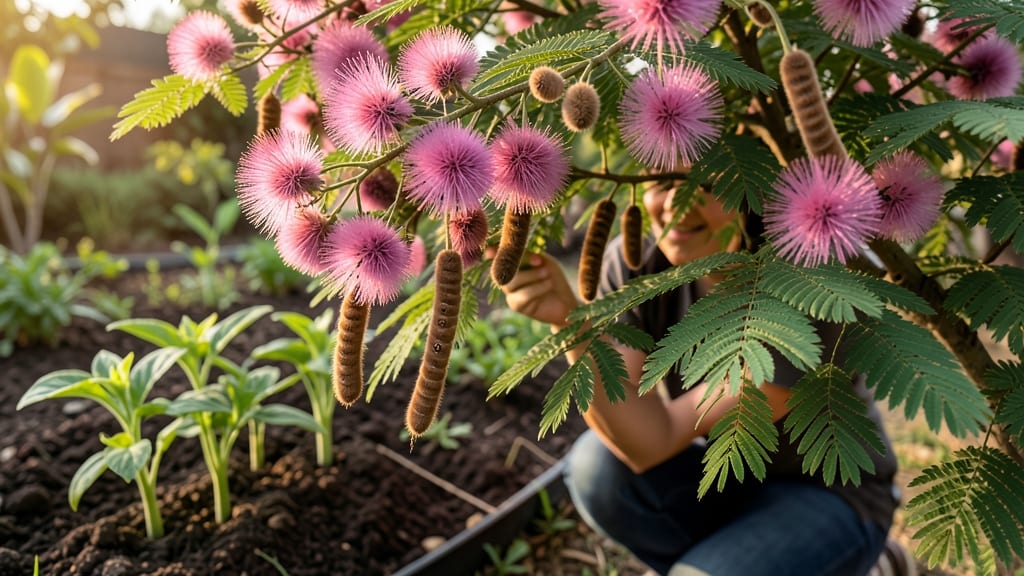
Persian silk trees offer versatile landscaping uses, delivering rapid shade growth, drought-resistant appeal, and ecological value through fragrant blooms and bird-attracting seed pods. Their flexibility suits both urban and rural environments effortlessly.
Their fast growth rate makes them perfect for quickly establishing privacy screens or filling large garden spaces in just a few years. 🌿 Unlike slower-growing options, Persian silk trees reach maturity faster while maintaining low maintenance needs—ideal for busy homeowners.
The fragrant flowers not only enhance curb appeal but also create a natural pollinator haven, while the seed pods provide food for birds throughout the year.
Beyond aesthetics, these trees thrive in diverse conditions, from city sidewalks to rural fields, adapting to various soil types and drought periods. Their ability to tolerate urban pollution and salt spray makes them particularly valuable in coastal or industrial areas where other trees might struggle.
💡 In This Article
- How Persian Silk Trees Enhance Landscapes and Ecosystems
- Best Practices for Planting and Maintaining Persian Silk Trees
How Persian silk trees enhance landscapes and ecosystems
Persian silk trees (Albizia julibrissin) grow with remarkable speed—adding up to 3 feet per year under ideal conditions, making them one of the fastest-growing shade trees.
Their feathery, fern-like foliage creates a dense canopy that blocks 70-80% of sunlight within just 2-3 years, providing instant relief from summer heat.
Unlike willows (which can develop weak wood) or poplars (prone to invasive roots), Persian silk trees develop a sturdy trunk with age, offering long-term structural integrity while maintaining their rapid growth.
Their ecological benefits start with the fragrant, pinkish-white flowers that bloom in spring and summer, releasing nectar that attracts bees, butterflies, and hummingbirds. Studies show these flowers can support up to 15 species of pollinators in a single tree, creating a mini ecosystem.
The seed pods that follow provide food for birds like goldfinches and sparrows, while the tree's nitrogen-fixing roots improve soil quality over time—reducing the need for synthetic fertilizers in surrounding plants.
What makes Persian silk trees truly adaptable is their drought tolerance once established. While young trees need regular watering, mature specimens can survive with only 1-2 inches of rain per month due to their deep root system.
This resilience extends to urban environments where they tolerate air pollution, salt spray, and compacted soils—unlike many ornamental trees that struggle in city conditions. Their ability to thrive in both rural landscapes and urban streetscapes makes them a standout choice for diverse settings.
For landscape designers, the tree's seasonal interest is a major selling point. The silvery-gray bark adds winter texture, while the autumn leaves turn golden before dropping, creating a natural mulch layer. Unlike some fast-growing trees that shed leaves messily, Persian silk trees maintain a clean appearance while providing year-round benefits.
Their non-invasive root system also makes them safer for sidewalks and driveways compared to trees like silver maples.
Consider these key advantages when comparing Persian silk trees to alternatives:
- Growth rate: Outpaces willows (2-3 feet/year) and matches poplars, but with stronger wood
- Pollinator support: Attracts more species than crepe myrtles (their close relatives)
- Maintenance: Requires less pruning than mimosa trees while offering similar shade benefits
- Soil adaptability: Thrives in poor, alkaline, or clay soils where many shade trees fail
The tree's cultural significance adds another layer—its common name comes from the silky texture of its seed pods, which were historically used in textiles and medicine. Today, they serve as a living reminder of their dual purpose: beautifying landscapes while supporting local wildlife ecosystems. 🌿