
Trees
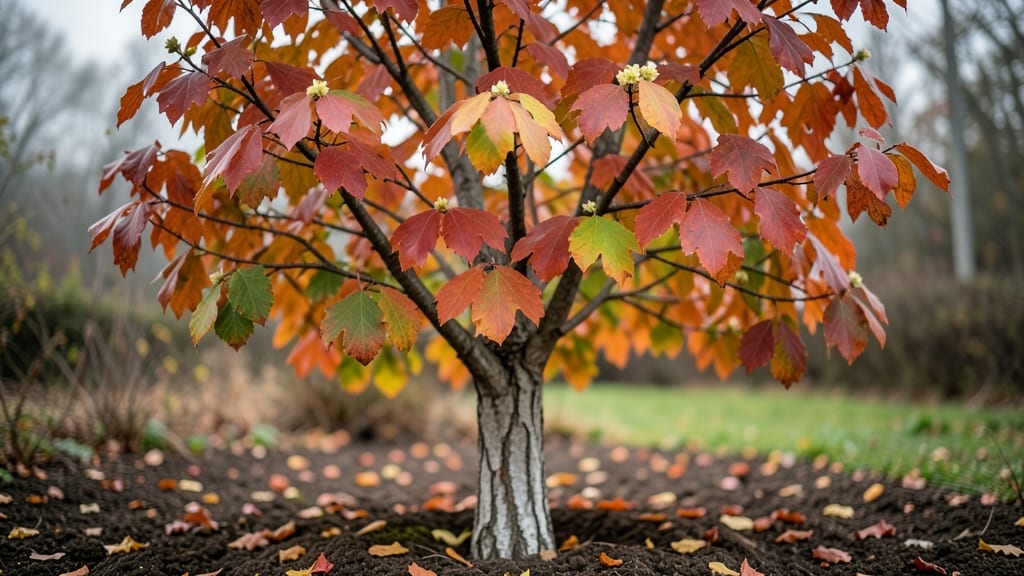
When persimmon tree leaves fall too soon, it’s usually a cry for help—not just autumn’s breeze. 🌿 I’ve seen healthy trees lose foliage mid-summer because of hidden pests, fungal infections, or even overwatering, and the fix depends on what’s really wrong. Start by checking the leaves: yellowing with spots?
Likely fungal. Tiny webs or speckled leaves? Spider mites. Dry, crisp edges? Probably drought stress. Once you spot the issue—whether it’s scale insects, anthracnose, or poor drainage—you can target the solution with pruning, organic sprays, or soil adjustments.
Here’s the good news: most early leaf drop is fixable. A simple soil test or closer look at the stems can reveal the root cause. By next season, your tree could be thriving again—keeping its leaves right up until natural autumn shedding.
📚 In This Guide
- What you need
- Instructions
- Tips and common mistakes
- Wrapping up and next steps
What you need
- ● Garden gloves – 1 pair (nitrile or leather for durability)
- ● Pruning shears – 1 pair (bypass type, sharp, and sterilized)
- ● Fertilizer – 1 bag (balanced 10-10-10 or organic compost for persimmon trees)
- ● Mulch – 2–3 bags (organic mulch like wood chips or straw, 2–3 inches deep)
- ● Watering can or hose – 1 (with adjustable nozzle for gentle watering)
- ● pH test kit – 1 (to check soil acidity, ideal range: 6.0–7.0 for persimmons)
- ● Leaf rake or broom – 1 (for clearing fallen leaves)
- ○ Fungicide (optional but recommended) – 1 bottle (copper-based or neem oil spray for disease prevention)
- ● Soil moisture meter – Ensures proper hydration without overwatering
- ● Tree collar sprayer – For targeted fungicide or nutrient application
- ● Compost tea – Boosts soil health and root resilience
- ● Tree wrap or burlap – Protects young trees from winter winds
How to care for persimmon trees when leaves start falling
Don’t panic when those leaves begin their seasonal retreat—proper care keeps your tree healthy through the transition.
🌿 Step 1: Assess the Cause of Leaf Drop
First, determine whether the leaf loss is natural or a sign of stress. Persimmon trees typically drop leaves in late fall, but early shedding could signal drought, pests, or disease. Check the tree’s bark for cracks or holes—common signs of borers or scale insects. If leaves yellow before falling, it might be nutrient deficiency (especially nitrogen or potassium).
Run your fingers along the branches to feel for sticky residue (aphids) or tiny bumps (scale). If you spot black spots or fungal growth, that’s likely anthracnose or powdery mildew. Healthy leaves should be vibrant green with no unusual markings. Compare your tree’s condition to nearby persimmons—if others are also shedding early, it’s probably environmental.
☀️ Step 2: Adjust Watering and Soil Conditions
Persimmon trees hate soggy roots but also need consistent moisture. If the soil feels bone-dry 2 inches below the surface, water deeply—1-2 inches per week—until the ground is evenly damp. Use a drip irrigation system or soaker hose to avoid wetting the leaves, which can promote fungal diseases. Mulch the base with 2-3 inches of organic mulch (like shredded bark) to retain moisture and regulate soil temperature.
If your tree is in poorly draining soil, amend it with compost or aged manure to improve structure. Persimmons prefer slightly acidic to neutral soil (pH 6.0-7.0). Test your soil with a simple kit—if it’s too alkaline, mix in sulfur or peat moss to lower the pH gradually. Avoid heavy fertilization now; new growth before winter weakens the tree’s cold hardiness.
🪴 Step 3: Prune Strategically to Encourage Retention
Remove only dead, diseased, or crossing branches—never prune more than 25% of the canopy at once. Use clean, sharp pruners to make cuts just outside the branch collar (the swollen area where the branch meets the trunk). If you see dieback (dead wood at branch tips), cut back to the last healthy bud. This prevents further stress and improves airflow, reducing fungal risks.
Thin out the canopy slightly if branches are too dense—aim for an open vase shape to let sunlight reach inner leaves. Avoid heavy pruning now; persimmons need time to heal before winter. Seal larger cuts (over ½ inch thick) with pruning sealant to prevent borer entry. Discard infected branches immediately—don’t compost them.
⏰ Step 4: Prepare for Winter Dormancy
Once leaves have fully fallen, stop watering unless the ground freezes solid. Persimmon trees enter dormancy when temperatures drop below 40°F for 2-3 weeks. Apply a 3-inch layer of mulch around the base (but keep it 6 inches away from the trunk) to insulate roots. Young trees or those in USDA Zones 6 and colder may need wrapping with burlap to protect from harsh winds.
Check for winter pests like spider mites or bark beetles—these thrive in dry conditions. Spray the tree with neem oil (mixed per label) if you spot webbing or tiny eggs. Avoid heavy applications of fertilizer now; the tree won’t use it until spring. Instead, focus on protecting the root zone from freezing and thaw cycles, which can damage roots.
🌱 Step 5: Monitor and Adjust Next Season
In early spring, inspect the tree for bud swell—this is your cue that dormancy is over. If you notice buds dying back, it could mean winter damage or pest activity. Prune out any dead wood again in late winter (before buds break) to encourage new growth. Persimmons are resilient, but consistent care—like annual soil testing and balanced fertilization in early spring—keeps them thriving.
Here’s the thing—persimmon trees will drop leaves seasonally, but healthy trees retain them longer. If you’ve ruled out pests, disease, and drought, the issue might be age or variety (some cultivars shed earlier). Keep a gardening journal to track leaf drop patterns year to year—you’ll spot trends before they become problems.
Tips & tricks for healthy persimmon trees during leaf drop
Here's what nobody tells you about keeping your persimmon tree thriving when leaves start falling.
Seasonal Timing: The key to preventing early leaf drop is understanding your persimmon's natural cycle. In Step 1, when assessing causes, remember that persimmons naturally shed leaves in late fall—not before. If you notice leaves falling before October, that's when you should start investigating. I've seen trees in colder climates hold leaves until November, while warmer regions may see earlier shedding. The 40°F threshold mentioned in Step 4 is crucial—this is when trees begin preparing for dormancy, so don't be alarmed if leaves start falling around this temperature.
Visual Pest Detection: When checking for pests in Step 1, here's a trick I learned: use a white paper towel under the branches. Shake the tree gently—any aphids or scale will fall onto the towel, making them much easier to spot. For fungal issues, look for powdery white residue on undersides of leaves (powdery mildew) or dark, sunken spots (anthracnose). I've found that early morning inspections work best when dew is present, as fungal spores become more visible.
Watering Wisdom: The 1-2 inches per week guideline in Step 2 is perfect, but here's how to make it work better: water in the early morning so leaves have time to dry before evening. Wet leaves overnight create ideal conditions for fungal diseases. I've also found that deep watering every 7-10 days (rather than frequent light watering) encourages deeper root growth, which helps trees handle drought better. Use a moisture meter to check that 2 inches below the surface—this is the critical zone for persimmon roots.
Pruning Precision: In Step 3, when making those cuts, here's what I've discovered about the 25% canopy rule: it's not about the number of branches, but the total volume removed. A few large branches can exceed 25% if they're thick. Always cut just outside the branch collar—this is where the tree's natural healing begins. I've seen many gardeners make the mistake of cutting too close to the trunk, which creates wounds that never properly seal. For larger cuts over ½ inch thick, I recommend using a pruning sealant with mycorrhizal fungi—it helps the tree heal faster and prevents borer entry.
Pro Tips for Persimmon Tree Leaves Fall
- Here's what nobody tells you about keeping your persimmon tree thriving when leaves start falling.
- Seasonal Timing: The key to preventing early leaf drop is understanding your persimmon's natural cycle.
- Visual Pest Detection: When checking for pests in Step 1, here's a trick I learned: use a white paper towel under the branches.
Frequently asked questions
Got questions about why persimmon tree leaves fall early or how to keep them healthy? Here are some common concerns—and straightforward answers—to help you troubleshoot and care for your tree during the season.
Why are my persimmon tree leaves falling early?
Early leaf drop in persimmon trees is often caused by environmental stress, like sudden temperature swings, drought, or poor soil drainage. Pests (e.g., spider mites or aphids) or fungal diseases (like anthracnose) can also trigger it. Check for yellowing leaves, spots, or webs—these are red flags!
When should I expect persimmon leaves to fall naturally?
Persimmon leaves typically turn golden-brown and drop in late fall (October–November), aligning with cooler temps (below 50°F/10°C). If leaves fall before this window, it’s a sign of stress. Mulch the base and water deeply to encourage natural seasonal shedding.
Can I prevent early leaf drop with fertilizer?
Yes! A balanced fertilizer (10-10-10) in early spring promotes healthy foliage. Avoid over-fertilizing in fall—it can stress roots. For organic options, try compost or a slow-release formula. Pro tip: Test soil pH (ideal: 6.0–7.0) to rule out nutrient deficiencies.
What’s the best way to protect persimmon trees from cold snaps?
Wrap the trunk with burlap or use tree guards to shield from freezing winds. Water trees before the first frost (but avoid soggy soil). For young trees, a light layer of mulch (3–4 inches) insulates roots. Warning: Never use plastic wrap—it traps moisture and damages bark.
Are there persimmon varieties with fewer fall leaf issues?
Some cultivars, like ‘Fuyu’ (non-astringent) or ‘Hachiya’, are hardier and less prone to early drop if cared for properly. Dwarf varieties (e.g., Diospyros virginiana ‘Meader’) also handle stress better. Always choose disease-resistant types for your climate zone!
Still stumped? Snap a photo of your tree’s leaves and bark—local extension offices or arborists can diagnose issues fast!
Wrapping up and next steps
Watching persimmon tree leaves fall too soon can feel disheartening, but with the right care, you can keep your tree thriving for years to come. 🌿 From proper watering and fertilization to pest control and seasonal pruning, small efforts make a big difference.
Your tree’s health is in your hands—start with one tip today and enjoy a vibrant, fruitful tree in seasons to come!
💡 Next Steps:
- Check your tree’s needs—Is it thirsty? Overcrowded? Adjust care accordingly.
- Set a reminder for seasonal tasks like pruning or mulching.
- Share your progress! Tag us in your before-and-after photos.