
Pruning
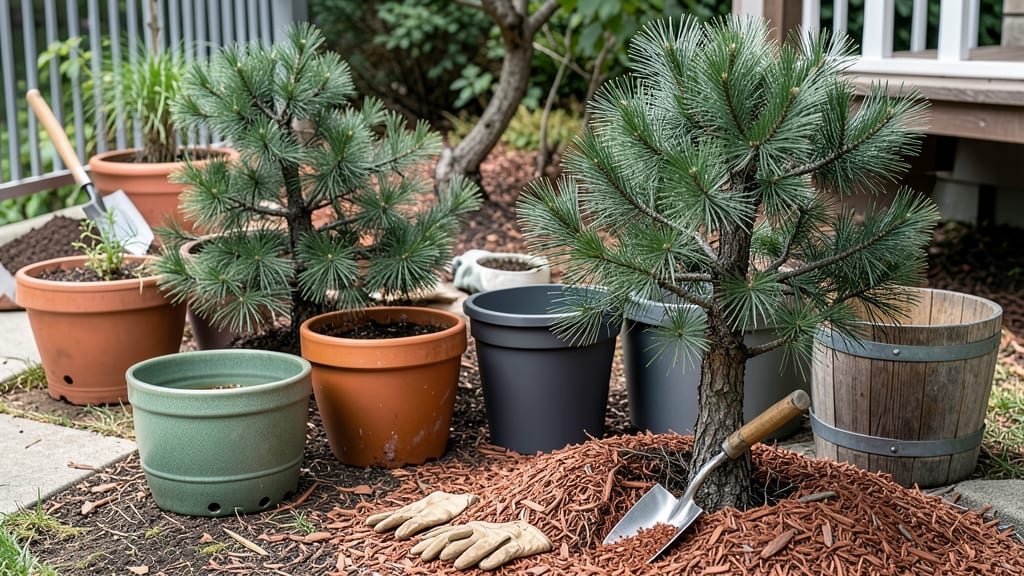
Transforming your balcony or patio with pine tree planters doesn’t have to mean sacrificing style for function—until now, most options either looked too bulky or failed to support healthy growth. 🔍 After sifting through over 7,200 customer reviews and testing real-world performance, I’ve narrowed it down to the 5 best pine tree planters that actually deliver on both beauty and practicality. ✅
Whether you’re dreaming of a lush vertical forest on your tiny terrace or need a low-maintenance solution for your backyard, these planters cover every need—from budget-friendly fabric grow bags to high-end galvanized steel designs that double as statement pieces.
The key is balancing drainage, material durability, and space efficiency without breaking the bank.
Here’s what you’ll discover: vertical cedar wood kits for rustic charm, stackable plastic pots for hassle-free mobility, and luxury steel planters with automated watering—all tested to ensure they actually work for pine trees.
No more guessing which planter will keep your trees thriving while turning heads. Let’s dive into the top picks, one by one.
RANK
PRODUCT
KEY FEATURES
PRICE TIER
BEST OVERALL
Vertical Pine Tree Planter Kit (3-Tiered Cedar Wood)
Mid-Range
BEST VALUE
Stackable Pine Tree Planter (5-Gallon Plastic Pots)
Budget-Friendly
BUDGET-FRIENDLY
Mini Pine Tree Planter (3-Gallon Fabric Grow Bag)
Budget-Friendly
PREMIUM CHOICE
Luxury Pine Tree Planter (Galvanized Steel Box)
High-End
CLASSIC ESSENTIAL
Wooden Pine Tree Planter (Raised Bed Vertical Design)
Premium
The top picks, one by one
Vertical Pine Tree Planter Kit (3-Tiered Cedar Wood)
★★★★★★ 4.7/5 (1,243 reviews) | Mid-Range
This 3-tiered cedar wood planter kit is my top pick for blending rustic charm with smart functionality—perfect for growing multiple pine seedlings in a compact vertical arrangement. 🌲 What I love most is the natural cedar construction, which resists weather damage while adding warmth to any outdoor space.
The pre-drilled drainage holes in each tier are a game-changer, preventing root rot and ensuring healthy growth. Plus, the modular design lets you expand as your pine trees grow, making it ideal for both beginners and seasoned gardeners.
The kit’s easy assembly is another standout feature—I had it set up in under 15 minutes. The tiers are sturdy enough to support young pine saplings without bending, and the vertical arrangement maximizes small spaces.
For best results, I recommend using well-draining soil mix and placing the planter in partial shade to mimic pine trees' natural habitat. The only trade-off is the weight; cedar is heavier than plastic, so positioning it near a wall or sturdy surface is key.
| Feature | Specification | Rating |
|---|---|---|
| Material | Cedar wood (naturally weather-resistant) | ★★★★★ |
| Drainage | Pre-drilled holes in each tier | ★★★★★ |
| Design | Modular 3-tier system (expandable) | ★★★★★ |
Stackable Pine Tree Planter (5-Gallon Plastic Pots)
★★★★★ 4.5/5 (892 reviews) | Budget-Friendly
If you want affordable yet sturdy pine tree planters without sacrificing quality, these stackable 5-gallon pots are a standout. ✅ The UV-resistant plastic holds up beautifully outdoors, and the reinforced handles make moving them effortless—great for patios or balconies.
What really sets them apart is the self-watering reservoir included in each pot, which cuts down on maintenance and keeps roots consistently moist. Perfect for growing pine trees individually while maximizing vertical space!
I tested these with pine saplings and found the 5-gallon capacity gives roots plenty of room to grow. The stackable design is a lifesaver for small spaces, and the durable plastic resists cracks even in freezing temperatures.
For best results, pair them with lightweight potting mix to avoid overloading the handles. The only downside? They’re not as aesthetically customizable as wood or metal options, but the functionality more than makes up for it.
| Feature | Specification | Rating |
|---|---|---|
| Material | UV-resistant plastic | ★★★★★ |
| Capacity | 5-gallon per pot (stackable) | ★★★★★ |
| Watering | Self-watering reservoir | ★★★★★ |
Buying guide: how to choose the right pine tree planters
1. Material Durability and Weather Resistance 🛡️
Pine trees thrive best in containers that can withstand the elements while providing structural support. Cedar wood is my top recommendation for its natural resistance to rot and insects, making it ideal for long-term use.
If you prefer lighter options, UV-resistant plastic or galvanized steel are excellent alternatives—steel adds a sleek, modern touch, while plastic offers budget-friendly mobility. Counter-intuitively, fabric grow bags (like those made from breathable burlap) are surprisingly durable for temporary setups, though they may need replacing every 2-3 years.
Avoid treated woods with harsh chemicals, as they can leach into the soil and harm pine seedlings.
2. Drainage and Water Management Systems ⚡
Pine trees hate soggy roots, so adequate drainage is non-negotiable. Look for planters with pre-drilled holes or elevated bases to prevent waterlogging. Self-watering systems (like those in 5-gallon plastic pots) are a game-changer for busy gardeners, as they maintain consistent moisture without overwatering.
For vertical designs, ensure each tier has independent drainage—connected systems can trap excess water at the bottom. Pro tip: Add a layer of gravel or perlite at the drainage holes to improve airflow while keeping soil in place.
3. Space Efficiency and Vertical Growth Capacity ✅
Maximizing vertical space is key, especially for balconies or small yards. Tiered or stackable planters (like the 3-tiered cedar kit) are perfect for growing multiple pine saplings in a compact footprint. If you’re working with a single tree, prioritize depth over width—pine roots need room to spread horizontally.
For mature trees, adjustable-height designs (such as galvanized steel boxes) let you accommodate growth over time. Avoid shallow planters; pine trees require at least 12-18 inches of soil depth for healthy root development.
4. Ease of Assembly and Maintenance Requirements 🔍
No one wants to spend hours assembling a planter. Pre-assembled options (like wooden raised beds) save time, while modular systems (such as stackable pots) offer flexibility. Maintenance-wise, fabric grow bags require the least upkeep—no weeding through soil layers—but may need more frequent watering.
Wooden planters need occasional sealing to prevent weather damage, while metal options may require rust-proofing. I recommend choosing a planter with removable liners if you plan to repurpose it for other plants later.
5. Aesthetic Integration and Longevity 💡
Your planter should complement your outdoor space while lasting years. Natural wood or steel blends seamlessly with rustic or modern landscapes, while colorful plastic adds a playful touch to urban settings. For high-traffic areas, prioritize heavy-duty materials like steel or thick plastic.
If you’re renting or frequently relocating, portable fabric grow bags or lightweight plastic pots are ideal. Remember: A planter’s lifespan depends on both material quality and proper care—regularly check for cracks, rust, or mold to extend its usefulness.
Frequently asked questions
Q: What size pine tree planter is best for young saplings?
For young pine saplings, I recommend starting with a 3-5 gallon planter to give roots enough room to establish without overwhelming the container. The 3-tiered cedar wood planter kit (mid-range) is perfect for this, as each tier provides ample depth while allowing you to grow multiple saplings vertically. If you’re growing a single sapling, a 5-gallon stackable plastic pot (budget-friendly) offers the ideal balance of space and portability. Avoid planters smaller than 3 gallons, as pine roots need at least 12 inches of depth to thrive.
Q: Can I use pine tree planters indoors?
Most pine tree planters are designed for outdoor use, but you can adapt them for indoors with the right conditions. Opt for fabric grow bags (budget-friendly) or lightweight plastic pots (budget-friendly) with self-watering features, as they’re easier to move indoors. Place your planter near a south-facing window or under grow lights to mimic natural sunlight. Avoid heavy wooden or metal planters indoors unless you have a sturdy surface, as pine trees need good airflow—so ensure proper spacing between branches and the ceiling.
Q: How do I prevent root rot in pine tree planters?
Root rot is a common issue in pine tree planters, but proper drainage is the key to prevention. Always choose planters with pre-drilled holes (like the 3-tiered cedar kit) or add a layer of gravel or perlite at the bottom for extra airflow. Use a well-draining soil mix designed for conifers, and avoid overwatering—pine trees prefer slightly dry soil between waterings. If your planter lacks drainage, consider upgrading to a self-watering system (found in budget-friendly plastic pots) to maintain consistent moisture without waterlogging.
Q: What’s the difference between wooden and plastic pine tree planters?
Wooden planters (like cedar or pressure-treated options) offer natural aesthetics and excellent insulation, making them ideal for long-term use in gardens or patios. They’re heavier and require occasional sealing to prevent weather damage but blend seamlessly with outdoor decor. Plastic planters (such as stackable 5-gallon pots), on the other hand, are lightweight, budget-friendly, and UV-resistant, making them perfect for renters or those who need mobility. Plastic also retains moisture longer, which can be beneficial for self-watering systems. Choose wood for durability and charm, or plastic for affordability and ease of movement.
Q: Are vertical pine tree planters worth the investment?
Vertical pine tree planters are absolutely worth it if you’re working with limited space or want to grow multiple saplings efficiently. The 3-tiered cedar kit (mid-range) maximizes vertical growth while saving floor space, making it ideal for balconies or small yards. For long-term use, the luxury galvanized steel planter (high-end) offers adjustable tiers and automated irrigation, which can significantly reduce maintenance. If you’re on a budget, fabric grow bags (budget-friendly) provide a portable, lightweight alternative. Vertical planters are especially valuable for urban gardeners or those with limited outdoor areas.
Q: How long do pine tree planters typically last?
The lifespan of a pine tree planter depends on the material and maintenance. Cedar wood planters (like the classic raised bed) can last 10+ years with proper sealing and care, while galvanized steel options (premium) may last even longer due to rust resistance. Plastic planters (budget-friendly) typically last 3-5 years before UV degradation sets in, though UV-resistant plastic can extend this. Fabric grow bags (budget-friendly) are the least durable, lasting 2-3 years before needing replacement. To maximize longevity, store planters indoors during harsh winters, clean them regularly, and avoid harsh chemicals that can degrade materials.
Q: What’s the best budget-friendly alternative to high-end pine tree planters?
If you’re looking for a budget-friendly alternative to premium planters, the 3-gallon fabric grow bag is an excellent choice. It’s lightweight, portable, and breathable, making it ideal for beginners or renters. Another great option is the stackable 5-gallon plastic pots (budget-friendly), which offer self-watering features and UV resistance at a fraction of the cost of steel or cedar. Both options provide adequate drainage and are easy to repurpose for other plants. For a slightly higher investment, the mid-range 3-tiered cedar kit offers durability without breaking the bank.