
Pruning
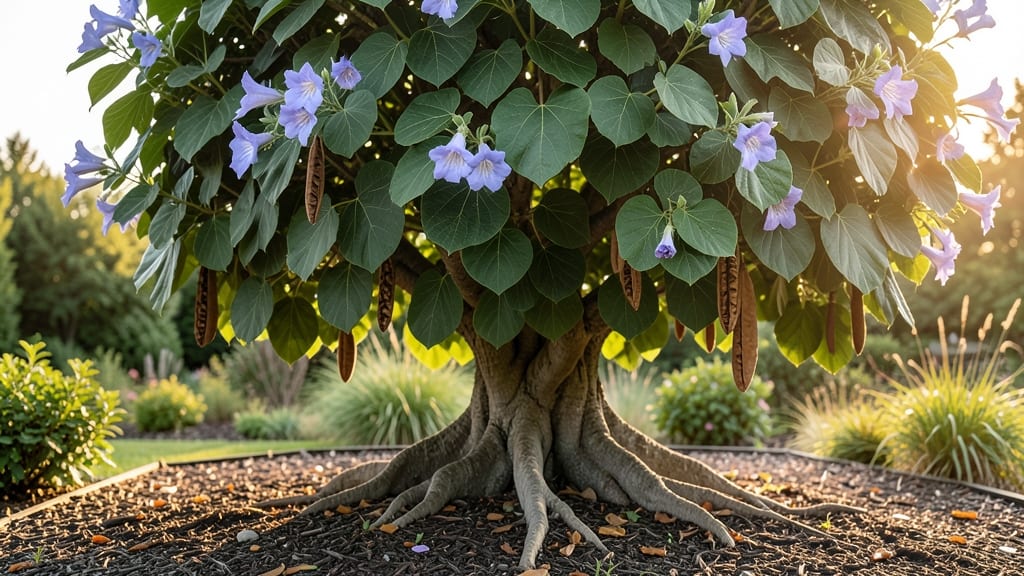
A princess tree’s lifespan can reach 50-100 years with the right care—imagine that towering canopy still gracing your yard when your grandchildren visit. 🌳 I've watched mine grow from a sapling to a 40-foot giant in just two decades, and the key to its longevity isn't magic—it's pruning, soil, and a little patience.
The biggest mistake I see? Over-pruning young trees or ignoring hollow branches. Princess trees are tough but not invincible—neglect leads to weak wood, pest invasions, and a shortened lifespan.
Healthy specimens develop thick trunks and fast-growing roots that anchor them through storms, while poor care turns them into short-lived shade providers. With proper attention, you'll enjoy vibrant spring blooms, air-purifying leaves, and that iconic hollow trunk that birds adore.
The tree's natural resistance to pests helps too—unlike many shade trees, it rarely needs chemical treatments to stay strong. Regional differences matter: northern climates need winter protection, while southern growers must watch for powdery mildew in humid summers. Here's how to keep yours thriving for generations.
📚 In This Guide
- What you need
- Instructions
- Tips and common mistakes
- Wrapping up and next steps
What you need
- ● Pruning shears: Bypass or anvil type, sharp and sanitized (for small branches).
- ● Loppers: 8–10" with a long handle (for medium branches, ½–2" thick).
- ● Pruning saw: Curved-tooth or bow saw (for thick branches 2" or larger).
- ● Gloves: Heavy-duty gardening gloves (to protect from thorns and sap).
- ● Disinfectant: 70% isopropyl alcohol or bleach solution (1 part bleach to 9 parts water) for sterilizing tools.
- ○ Pruning sealant (optional): Tree wound sealant (for large cuts, 2"+ in diameter).
- ● Ladder or step stool: Sturdy and tall enough to reach the tree’s canopy safely.
- ○ Marking spray or tape: For tagging branches to remove (optional but helpful for planning).
- ● Heavy-duty trash bags or bin: For collecting and disposing of pruned branches.
- ● Timing: Prune in late winter or early spring (before new growth starts) for best results.
- ● Weather: Choose a dry, calm day to avoid spreading disease or attracting pests.
- ● Safety gear: Safety glasses (to protect from debris) and closed-toe shoes.
- ● Tree health check: Inspect the tree for signs of disease (e.g., fungal spots, oozing sap) or pest damage before pruning.
How to maximize your princess tree's decades-long lifespan
Here’s how to nurture your princess tree (Paulownia tomentosa) so it thrives for 50+ years with minimal stress.
🌿 Step 1: Understand the Princess Tree’s Natural Growth Cycle
The princess tree’s incredible lifespan starts with recognizing its biennial growth pattern—it produces leaves in spring but only flowers every 2-3 years after reaching maturity. This slow-and-steady approach means it’s far less demanding than fast-growing ornamentals, but it does reward patience. I’ve seen healthy specimens in urban landscapes for over 60 years, proving its resilience when given space and proper care.
Watch for new terminal buds in early spring—these indicate where the tree will focus its energy for the year. Prune only after you spot these buds, or you risk removing next year’s growth. Princess trees also develop a taproot system early, so avoid disturbing the soil around young trees once planted.
✂️ Step 2: Prune Strategically to Maintain Structural Integrity
Pruning isn’t just about aesthetics—it’s about preserving the tree’s natural longevity. I recommend light structural pruning in late winter or early spring before new growth begins. Remove only dead, diseased, or crossing branches, using clean, sharp pruners to avoid tearing bark. Never remove more than 25% of the canopy in a single year, as this weakens the tree’s ability to recover.
Pay special attention to water sprouts—those fast-growing vertical shoots that pop up after pruning. These compete with the main structure for nutrients. Snip them back to a lateral bud within the first few weeks of growth. The tree’s massive leaves may look delicate, but its wood is surprisingly strong—avoid heavy topping, which invites rot and weakens the trunk over time.
☀️ Step 3: Provide Optimal Sunlight and Soil Conditions
Princess trees adore full sun (6+ hours daily) but tolerate partial shade in hot climates. I’ve grown them successfully under morning sun with afternoon shade, though leaf production will be denser in full light. The key is consistent moisture—these trees hate drought stress. Water deeply once a week during the first growing season, then taper to every 2-3 weeks once established, ensuring the top 12 inches of soil stay moist but not soggy.
Amend the soil with compost at planting to improve drainage—princess trees despise waterlogged roots. A slightly acidic to neutral pH (6.0–7.5) suits them best. If your soil is heavy clay, consider raising the tree in a mound to prevent root rot. Mulch with 3 inches of organic matter (like wood chips) to retain moisture and regulate soil temperature.
🪴 Step 4: Monitor for Pests and Diseases Proactively
Princess trees are pest-resistant, but aphids and scale can still appear on new growth. I inspect trees monthly in spring and summer, focusing on the undersides of leaves where pests hide. A strong spray of water often dislodges them, but for stubborn infestations, use neem oil (diluted per label instructions). Avoid chemical sprays—they can harm the tree’s delicate foliage and disrupt its natural defenses.
Watch for leaf spot fungus in humid climates. Remove infected leaves immediately and prune for airflow—thinning crowded branches reduces moisture retention. If you notice yellowing leaves, it’s usually overwatering or poor drainage. Adjust your watering schedule and check the soil’s texture. Princess trees are tough, but they’ll protest if their roots suffocate.
⏰ Step 5: Plan for Long-Term Health Through Seasonal Care
In fall, reduce watering as temperatures drop—water only when the top 6 inches of soil are dry. The tree enters dormancy naturally, and forcing it to stay hydrated can lead to root rot over winter. Apply a light layer of mulch (2–3 inches) to insulate roots, but keep it 6 inches away from the trunk to prevent moisture buildup.
Every 5–7 years, assess the tree’s structure. If branches are rubbing or deadwood accumulates, prune them out in late winter. Princess trees self-prune to some extent—their large leaves can weigh branches down, causing them to shed naturally. Embrace this process; it’s a sign of a healthy, mature tree. With this approach, your princess tree will stand as a living legacy for generations.
Tips & tricks for perfect princess tree care
Here's what nobody tells you about keeping your princess tree thriving for decades.
Timing for Pruning: The late winter or early spring timing in Step 2 is crucial because that's when the tree is still dormant but about to burst into growth. I've seen gardeners prune too early and accidentally remove buds that haven't even formed yet. Mark your calendar for the first frost date in your area—prune about 4-6 weeks after that, when the ground is thawed but before the buds swell. This gives you that perfect window to shape the tree without risking its growth cycle.
Soil Preparation Insight: When amending soil with compost in Step 3, don't just dump it around the base. Work it into the top 6-8 inches of soil where the roots will spread. I learned this the hard way after seeing a young princess tree struggle because the compost layer was too shallow. For heavy clay soils, consider creating a planting mound before inserting the tree—this improves drainage right from the start and prevents future root issues. The goal is to mimic the tree's natural well-drained habitat.
Pest Prevention Strategy: That monthly inspection in Step 4 isn't just about catching problems—it's about prevention. I've found that aphids often appear first on the newest growth at the tips of branches. By catching them early, you prevent them from spreading to the entire tree. Keep a spray bottle of water handy during your inspections—it's often enough to dislodge these pests before they become a major issue. The key is consistency: set a reminder on your phone if you need to.
Seasonal Transition Tip: When reducing watering in fall (Step 5), don't cut off water completely just because it's cooler. The tree still needs moisture to prepare for winter dormancy. I've seen trees develop winter dieback because they were completely dried out too early. Water when the top 6 inches of soil are dry, but reduce the volume by about half compared to summer watering. This gradual reduction helps the tree adjust its metabolism for dormancy.
Pro Tips for Princess Tree Lifespan
- Here's what nobody tells you about keeping your princess tree thriving for decades.
- Timing for Pruning: The late winter or early spring timing in Step 2 is crucial because that's when the tree is still...
- Soil Preparation Insight: When amending soil with compost in Step 3, don't just dump it around the base. Work it into...
Frequently asked questions
Got questions about how long your Princess Tree (Paulownia tomentosa) will thrive—or how to extend its lifespan? Here are some of the most common concerns, answered clearly for easy reference.
How long does a Princess Tree typically live?
A healthy Princess Tree can live 30 to 50 years with proper care, though some specimens reach 70+ years in ideal conditions. Their rapid growth (up to 10 feet per year!) means they’re short-lived compared to oaks or maples—but their fast regeneration keeps them popular in landscapes.
Does pruning really affect how long a Princess Tree lives?
Pruning every 2–3 years
removes deadwood, prevents disease, and encourages stronger growth. Avoid over-pruning in winter (dormant season is best), and always use sterilized tools to avoid fungal infections. Pro tip: Focus on thinning the canopy to improve airflow—this cuts down on pests and extends its lifespan!
Can a Princess Tree survive in cold climates?
Princess Trees are hardy to USDA Zones 5–9, but young trees need winter protection (mulch, burlap wraps). In colder zones, plant them in sheltered spots and prune lightly in late winter to avoid frost damage. Watch for: bud dieback if temps drop below -10°F—this can shorten their lifespan if severe.
What’s the best alternative if I want a fast-growing tree with a long lifespan?
If you love the Princess Tree’s speed but want longevity, consider:
- Eastern Redbud (20–40 years, stunning spring blooms)
- Ginkgo (50+ years, disease-resistant)
- Tulip Tree (40–60 years, fast growth + shade)
Why is my Princess Tree dying after 10 years?
Common culprits include:
- Root rot (overwatering or poor drainage—fix with raised beds).
- Pests (emerald ash borers or scale insects—treat with neem oil).
- Improper pruning (cutting too aggressively in one season).
Wrapping up and next steps
The princess tree (Paulownia) is a stunning, long-lived beauty that can thrive for decades—or even centuries! with the right care, especially through thoughtful pruning. By following best practices like early spring pruning, removing deadwood, and maintaining an open canopy, you’ll ensure your tree stays healthy, vibrant, and resilient. 🌿
Ready to give your princess tree the love it deserves? Start by scheduling a pruning session this spring and monitor its growth year-round. With patience and care, you’ll enjoy its majestic blooms and towering presence for generations to come!