
Pruning
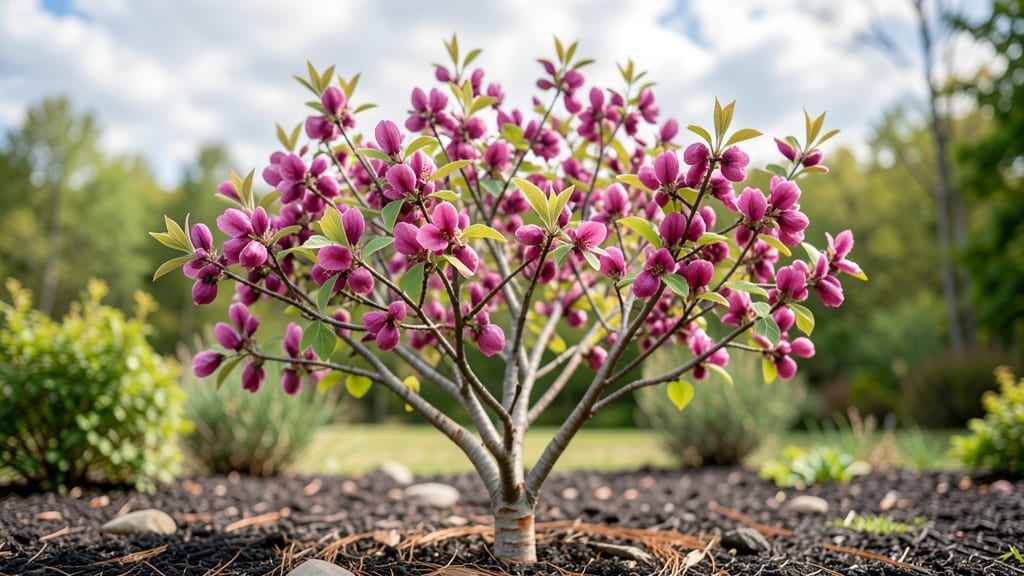
A small redbud tree 🌸 brings vibrant spring color without the space demands of its full-sized cousins, making it the perfect choice for tight yards and containers.
If you love the stunning spring blooms of redbud trees but lack the space for full-sized varieties, you’ll be thrilled to discover compact redbuds that thrive in small gardens, urban yards, and even large containers.
These dwarf varieties like 'Oklahoma' and 'Lavender Twist' top out at just 6–10 feet, offering heart-shaped leaves and showy pink blooms that arrive before the leaves even unfold.
Below, I’ll walk you through selecting the best compact variety for your space, planting tips to get them off to a strong start, and seasonal care to keep them blooming year after year.
Best small redbud tree varieties for limited spaces
If you dream of vibrant spring blooms but have limited space, compact redbud varieties are perfect solutions. These dwarf redbuds deliver stunning pink or purple flowers while staying under 10 feet tall.
Whether you're working with a small urban yard or a large container, these varieties bring the same beauty without the space requirements.
My favorite compact redbuds include 'Alba', known for its white blossoms, and 'Forest Pansy', which boasts deep purple foliage. For truly petite options, 'Little Henry' tops the list with its 8-foot maximum height.
Each variety offers unique color and form while adapting beautifully to tight spaces.
Below is a detailed comparison of the top small redbud varieties to help you choose the perfect fit for your garden. Consider factors like mature size, bloom time, and sunlight needs when making your selection.
The 'Alba' variety stands out with its pure white flowers, creating a stunning contrast against green foliage. This variety thrives in partial shade, making it ideal for shady urban spaces where other redbuds might struggle.
Its 10-12 foot height fits perfectly in small gardens without overwhelming the landscape.
For those who love colorful foliage, 'Forest Pansy' is a must-have. Its deep purple leaves add a dramatic touch to any garden, while its pink-purple flowers in spring create a breathtaking display.
This variety requires full sun for optimal growth, making it perfect for south-facing yards or sunny patios.
If you're working with an extremely limited space, 'Little Henry' is my top recommendation. This 6-8 foot dwarf redbud stays compact while still delivering abundant spring blooms. It's particularly well-suited for container gardening, allowing you to place it on patios, balconies, or even small courtyards.
When selecting a small redbud variety, consider your available sunlight. Most compact redbuds prefer full sun (6+ hours daily), but some like 'Alba' tolerate partial shade. Always choose a location that matches the sunlight requirements of your specific variety to ensure healthy growth and vibrant blooms.
Another key consideration is your garden's style. If you prefer a classic look, 'Alba' with its white flowers is ideal. For a bold statement, 'Forest Pansy' with its purple foliage will steal the show.
And if you need something truly compact, 'Little Henry' offers all the beauty in a small package.
Remember that even dwarf redbuds benefit from proper pruning and care. Regular pruning helps maintain their compact shape while encouraging more flower production. With the right variety and care, you'll enjoy stunning spring blooms year after year in even the tightest spaces.
🌸
How to grow and care for compact redbud trees
Compact redbud trees are my go-to for small spaces because they deliver showstopping spring blooms without the sprawling size of standard varieties. With the right care, these dwarf redbuds (like 'Little Henry' or 'Oklahoma') will thrive in tight gardens, containers, or even urban patios.
The key is replicating their natural well-draining soil and sunlight conditions while keeping maintenance simple.
When planting, I always choose a location with 6+ hours of sunlight daily—this ensures vibrant blooms and healthy foliage. Compact redbuds tolerate partial shade but may produce fewer flowers.
For containers, select a pot at least 18 inches wide with drainage holes to prevent root rot, which is a common issue with overwatered trees.
🌱 Essential Steps for Compact Redbud Care
- Soil Prep: Amend native soil with compost for well-draining conditions; ideal pH is 6.0-7.0.
- Planting Depth: Match container depth to root ball; avoid burying the graft union if using grafted varieties.
- Watering Schedule: Deep water 2-3x/week for first year; reduce to weekly once established.
- Pruning Time: Prune late winter/early spring before buds swell; remove dead branches and shape for balanced growth.
- Fertilizer: Apply balanced 10-10-10 in early spring only; avoid fall fertilization.
- Pest Watch: Monitor for aphids or scale insects; treat with neem oil if detected.
After planting, I focus on seasonal maintenance to keep my compact redbuds thriving. In spring, I apply a light fertilizer to encourage new growth, while summer care involves deep watering every 10-14 days unless we're in a drought.
Mulching around the base with 2-3 inches of organic mulch helps retain moisture and suppress weeds—just keep it 6 inches away from the trunk to prevent rot.
Pruning is where I get creative with compact redbuds. I always prune in late winter to shape the tree while it's dormant. For container-grown trees, I use hand pruners to trim back overgrown branches by 1/3 to maintain their compact form.
I also remove any crossing branches to improve airflow and reduce disease risk.
Pests are rare but can appear if your tree is stressed. I've had aphids on mine once, and a simple spray of soapy water or neem oil cleared them up quickly.
For scale insects, I recommend scrubbing with a soft brush dipped in rubbing alcohol. Prevention is key—healthy trees with proper watering and sunlight are far less attractive to pests.
With these care tips, your compact redbud will reward you with years of vibrant blooms and lush foliage—perfect for small gardens or even as a container centerpiece. The secret is consistency: good soil, proper watering, and seasonal pruning will keep your tree happy and compact for decades.