
Pruning
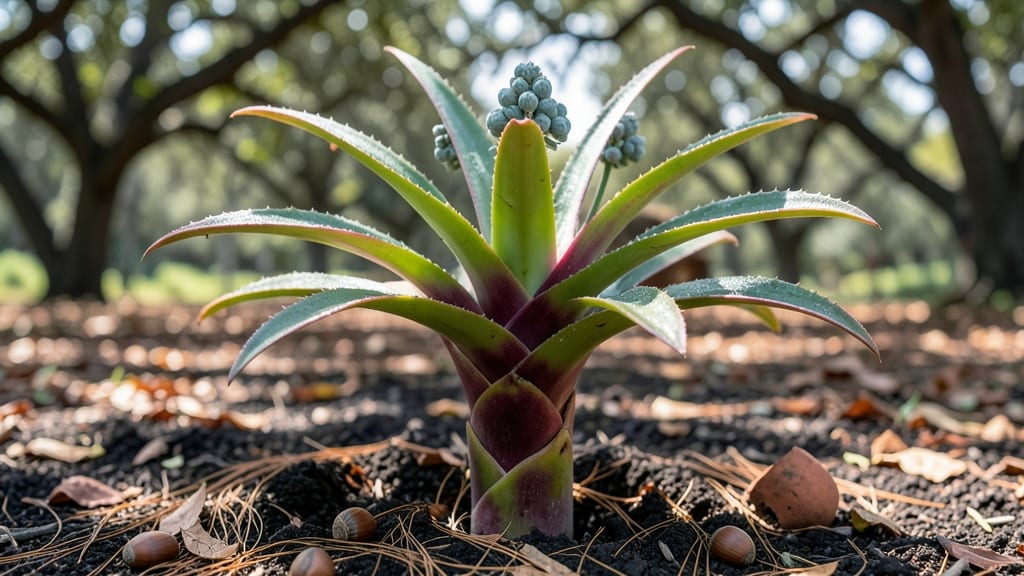
Transforming your garden into a fragrant, layered masterpiece starts with a strawberry vanilla hydrangea tree form—where creamy blooms and sweet scent meet architectural beauty. 🌸 I fell in love with this variety after seeing it draped over a pergola, its vanilla-scented flowers cascading like a living waterfall.
The secret lies in its natural growth habit: with the right pruning, it becomes a showstopper that blooms from early summer through fall, then delivers winter interest with its exfoliating bark.
The magic happens in how you shape it—think of it as a three-tiered drama: lower branches for lush ground coverage, mid-height blooms for fragrance at eye level, and an upright trunk for structure.
Pair it with dwarf conifers for evergreen contrast or purple-leaf plants to make the vanilla blooms pop. The scent alone—like a bakery window in June—will draw you outside every morning.
By late summer, you’ll have a fragrant focal point that outshines any store-bought ornament. The blooms attract pollinators, the scent repels pests naturally, and the layered form creates depth in any space—whether it’s a small courtyard or a sprawling backyard.
The best part? It thrives in partial shade, making it perfect for tricky spots where other plants struggle.
For maximum impact, plant it near seating areas or pathways where you’ll brush past the blooms. Combine with climbing roses for a romantic arbor or ornamental grasses for movement.
The tree form keeps it manageable while delivering year-round interest—from spring’s fresh foliage to winter’s textured branches. Ready to create your own fragrant garden statement?
📚 In This Guide
- What you need
- Instructions
- Tips and common mistakes
- Wrapping up and next steps
What you need
- ● Strawberry Vanilla Hydrangea (Hydrangea macrophylla 'Strawberry Vanilla') – 1 mature plant (3–5 years old, 3–4 ft tall) or bare-root sapling (for transplanting).
- ● Pruning tools: Sharp bypass pruners (for clean cuts on small stems).
- ● Pruning saw (for thicker branches, if needed).
- ● Disinfectant (70% isopropyl alcohol or bleach solution) to sterilize tools between cuts.
- ● Support structure: 4–6 sturdy stakes (1–1.5 inches in diameter, 4–5 ft tall).
- ● Tree form pruning ties (soft, stretchy fabric or plastic spiral wraps).
- ● Mulch: 2–3 inches of organic mulch (shredded bark, pine needles, or compost).
- ● Fertilizer: Balanced slow-release granular fertilizer (10-10-10 or 20-20-20, 1 lb per plant).
- ● Garden gloves (nitrile-coated for grip and protection).
- ● Hand pruners (for precision trimming).
- ● Plant growth regulator (e.g., B-Nine to control excessive growth).
- ● Garden hose with spray nozzle (for post-pruning hydration).
- ● Reflective tape or markers (to label branches during training).
Step-by-step instructions for crafting a strawberry vanilla hydrangea tree form
Here's how to create a fragrant, multi-seasonal focal point that combines hydrangea's bold blooms with the delicate charm of strawberries and vanilla-scented foliage.
🌱 Step 1: Select and Prepare Your Base Hydrangea
Choose a macrophylla or paniculata hydrangea for this project—their sturdy canes support the layered structure. Prune your hydrangea in late winter or early spring before new growth begins, cutting back one-third of the oldest stems to encourage vigorous new shoots. This creates the foundational framework for your layered design.
Look for a plant with multiple strong canes—these will form the vertical "trunk" layers. If your hydrangea has weak growth, supplement with a younger, more vigorous plant to ensure structural integrity. The goal is a 4-5 foot tall base that can support the added weight of strawberries and vanilla-scented plants.
🌿 Step 2: Layer Strawberries Along the Canes
Select everbearing or day-neutral strawberry varieties like 'Alpine' or 'Seascape' for their compact growth and continuous fruiting. Gently tie 3-4 strawberry plants to each main cane using soft plant ties, spacing them 12-18 inches apart vertically. Plant them in small pockets of soil created around the cane—this mimics the natural layering of a bonsai.
Here's the thing—water these strawberries deeply after planting and maintain consistent moisture since they'll be competing for resources with the hydrangea. Mulch the base with 2-3 inches of shredded bark to retain moisture and suppress weeds. You'll see new strawberry runners within weeks—trim these to encourage upward growth along the cane.
☀️ Step 3: Integrate Vanilla-Scented Foliage
Weave vanilla-scented plants like vanilla-scented geranium (Pelargonium graveolens) or vanilla bush (Clematis armandii) into the upper layers of your design. Train these vines to grow upward along the hydrangea's branches, securing them with flexible plant ties every 6-8 inches. The fragrant leaves will cascade down the sides, creating a sensory experience when brushed against.
Position these plants where they'll receive at least 4-6 hours of morning sun—vanilla-scented varieties thrive in partial shade but need bright light to maintain their fragrance. Prune them lightly after flowering to encourage fuller, bushier growth that complements the hydrangea's blooms.
🪴 Step 4: Maintain the Structural Balance
Fertilize the base twice annually—once in early spring with a balanced 10-10-10 formula and again in mid-summer with a low-nitrogen, high-phosphorus blend to support flowering. Water at the base only, avoiding the foliage to prevent disease. You'll notice the strawberries fruiting in late spring and again in fall, while the hydrangea blooms summer through early autumn.
Real talk: This form requires patience. The first year focuses on establishing the structure, while years two and three refine the layers. If a strawberry plant outgrows its spot, trim it back and redirect its energy upward. The vanilla-scented elements may need light pruning to prevent them from overwhelming the hydrangea's natural shape.
⏰ Step 5: Seasonal Adjustments for Year-Round Interest
In fall, add ornamental grasses like Miscanthus to the base for winter texture, and mulch heavily to protect roots. Prune spent hydrangea blooms but leave strawberry foliage until spring—it provides winter interest and decomposes into nutrient-rich mulch. By early spring, remove old mulch and fertilize lightly to kickstart new growth.
Watch for powdery mildew on strawberries—spray with neem oil at the first sign of white powder. The hydrangea may develop leaf spot in humid climates; remove affected leaves immediately and improve air circulation. With these adjustments, your strawberry vanilla hydrangea tree will deliver fragrance, color, and edible rewards for decades.
Tips & tricks for perfect strawberry vanilla hydrangea tree form
Transforming your garden into a fragrant, multi-seasonal masterpiece takes thoughtful planning—and these key strategies will help you avoid common pitfalls while maximizing beauty and productivity.
Pruning Precision: When you prune your hydrangea in late winter or early spring, focus on cutting back one-third of the oldest stems at the base, just above a strong bud. This encourages new growth from the base while maintaining structural integrity. I learned this the hard way after pruning too aggressively and weakening my first attempt—now I always mark the stems I'll remove with a soft tie before cutting to visualize the final shape.
Strawberry Placement Strategy: For the 3-4 strawberry plants you'll tie to each cane, position them slightly off-center to create visual interest. The 12-18 inch vertical spacing between plants should be measured from the base of each plant to where it attaches to the cane, not from the soil line. This prevents overcrowding as they mature. I've found that using soft plant ties made from cotton or jute (not plastic) allows the canes to grow naturally while providing support.
Vanilla-Scented Plant Training: When integrating your vanilla-scented geranium or clematis, create a gentle spiral pattern along the hydrangea branches rather than a rigid vertical line. This organic growth habit mimics natural vine behavior and creates a more dynamic, cascading effect. Secure with flexible plant ties every 6-8 inches, but loosen them as the plants grow to prevent constriction. The 4-6 hours of morning sun requirement is critical—position these plants where they'll receive bright light but avoid harsh afternoon sun that can scorch delicate leaves.
Seasonal Maintenance Calendar: Create a simple checklist for your twice-annual fertilization (early spring and mid-summer) and fall mulching to stay organized. I use colored pushpins on my calendar—green for spring tasks and orange for fall—to visualize the seasonal flow. Remember that the low-nitrogen, high-phosphorus blend in mid-summer is essential for supporting flowering, while the balanced 10-10-10 formula in spring provides comprehensive nutrition for new growth.
Pro Tips for Strawberry Vanilla Hydrangea Tree Form
- Transforming your garden into a fragrant, multi-seasonal masterpiece takes thoughtful planning—and these key strategies will help you avoid common pitfalls while maximizing beauty and productivity.
- Pruning Precision: When you prune your hydrangea in late winter or early spring, focus on cutting back one-third of the oldest stems at the base, just above a strong bud.
- Strawberry Placement Strategy: For the 3-4 strawberry plants you'll tie to each cane, position them slightly off-center to create visual interest.
Frequently asked questions
How fast does the Strawberry Vanilla Hydrangea grow in tree form?
The Strawberry Vanilla Hydrangea Tree Form grows at a moderate pace, typically adding 12–18 inches per year under ideal conditions (full sun to partial shade, well-draining soil). With proper pruning, you’ll see noticeable height and fullness within 2–3 years. Patience pays off—this beauty rewards slow, steady growth with year-round interest!
When should I prune my hydrangea tree form for the best blooms?
Prune your Strawberry Vanilla Hydrangea Tree Form in late winter or early spring (February–March), before new growth emerges. This encourages lush, fragrant blooms by removing dead wood and shaping the tree. Avoid summer pruning—it can cut off next year’s flower buds! Pro tip: Use clean, sharp shears and sanitize them with rubbing alcohol to prevent disease.
Why aren’t my hydrangeas fragrant like they’re supposed to be?
Fragrance fades if the plant is stressed—check these fixes:
- Sunlight: Ensure it gets 4–6 hours of sun daily (partial shade is okay, but too little shade dulls scent).
- Water: Keep soil consistently moist (not soggy) during blooming season.
- Fertilizer: Use a balanced, acidic fertilizer (like 10-10-10) in early spring.
- Pruning: Over-pruning can reduce fragrance—stick to shaping cuts only.
If the issue persists, your plant may need rejuvenation pruning (cut back ⅓ of old stems in late winter).
Can I grow Strawberry Vanilla Hydrangea in a container?
This hydrangea thrives in large containers (18+ inches wide) with well-draining potting mix (add perlite or orchid bark). Choose a sunny spot on a patio or balcony and water daily in summer (containers dry out faster). For winter, move it to a protected area (like a garage) or wrap the pot in bubble wrap to insulate roots. Bonus: Container growth often yields even more fragrance!
How do I protect my hydrangea tree form in winter?
Cold-hardy to USDA Zones 5–9, your hydrangea still benefits from winter prep:
- Apply a 2–3 inch layer of mulch around the base (but not touching the trunk) to insulate roots.
- Wrap the canes in burlap or use tree guards to prevent sunscald.
- Water deeply before the first hard freeze to hydrate roots.
- Avoid pruning in winter—wait until late winter when buds swell.
In Zone 4 or colder, grow it in a large container and overwinter indoors with bright light.
Wrapping up and next steps
The Strawberry Vanilla Hydrangea Tree Form isn’t just a plant—it’s a fragrant, year-round masterpiece that brings texture, color, and aroma to your garden with minimal fuss. Whether you’re a pruning pro or a curious beginner, this versatile shrub rewards patience with lush blooms, delicate foliage, and that intoxicating vanilla-strawberry scent.
Now that you’re armed with the right tools, techniques, and tips, it’s time to roll up your sleeves and give your hydrangea the care it deserves!
🌿 Next steps:
- Schedule your first pruning session—early spring or late winter is your best bet!
- Monitor growth and adjust care as the seasons change.
- Share your progress with fellow gardeners (or tag us—we love seeing your creations! 📸).