
Pruning
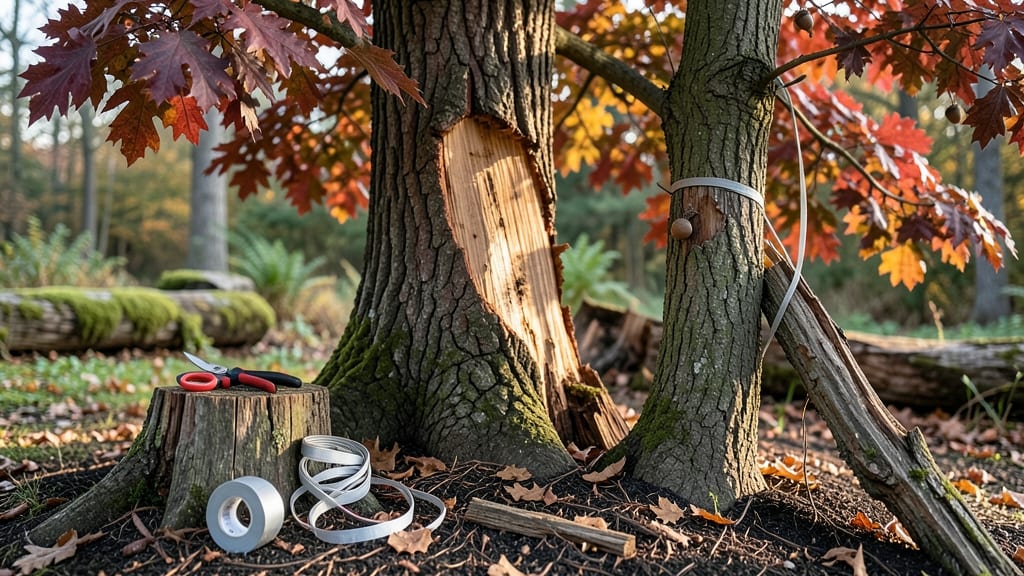
A tree broke in half and left you staring at a jagged wound—don’t panic. ⚠️ This isn’t always a death sentence, but acting fast determines whether your tree survives or becomes firewood.
The first 24 hours are critical for stabilization, and I’ll walk you through the exact steps to assess, splint, and prune it back to health (or know when to call an arborist).
Most breaks happen from storms, weak branch unions, or rot eating away at the core. 🌳 A clean snap with fresh wood often means the tree can heal, but if the break is ragged or oozing sap, decay may already be setting in.
Your goal? Prevent further damage while the tree focuses on recovery. Start by securing the break with sturdy materials—think 2x4s and zip ties, not duct tape—and monitor for pests or disease creeping into the wound.
With proper care, your tree can regrow new branches from the trunk, but it’ll take patience. Prune dead wood immediately, avoid overwatering, and watch for signs of stress like yellowing leaves.
If the break is near the trunk or the tree leans dangerously, removal might be safer. Either way, you’ll know exactly what to do—and when to call in the pros.
This method works for fruit trees, shade trees, and even young saplings. The key is acting before the tree gives up. Let’s get that branch stabilized before winter sets in.
Root Causes of Tree Splits
When a tree suddenly snaps in half, it’s rarely a random event—it’s the result of years of stress, neglect, or environmental pressures. Understanding the why behind these dramatic failures helps homeowners and arborists prevent future damage.
Below, we break down the most common reasons trees split, from biological weaknesses to external forces.
A tree’s ability to withstand stress depends on its internal structure. Over time, certain factors compromise this stability, making a split more likely.
- Rot and Decay: Fungal infections (like Armillaria or Ganoderma) break down wood fibers, creating hollow pockets. Even a small amount of rot can weaken a trunk’s core, turning it into a tinderbox waiting for a strong wind.
- Aging and Natural Weaknesses: Older trees develop co-dominant stems (multiple trunks growing close together) or included bark (where branches grow fused to the trunk). These flaws act as stress points, making splits more probable during storms.
- Poor Pruning Practices: Over-pruning or improper cuts (like stubs or tears) create entry points for disease and disrupt the tree’s natural healing. Without proper pruning techniques, the tree’s structural integrity weakens over time.
💡 Pro Tip: If you notice cracks, mushrooms at the base, or soft wood, schedule a professional inspection—these are red flags for hidden rot.
Mother Nature is the #1 culprit behind sudden tree splits. High winds, ice loads, and lightning strikes exert forces far beyond a tree’s capacity.
- High Winds: Trees with shallow root systems (common in clay or rocky soil) are easily uprooted or snapped. Even deep-rooted trees can fail if their canopy is too heavy for the trunk to support.
- Ice and Snow Accumulation: Heavy ice buildup adds thousands of pounds of weight to branches, acting like a lever that bends or snaps them. Evergreens are especially vulnerable because their dense foliage holds ice longer.
- Lightning Strikes: A direct hit can instantly vaporize moisture in the wood, causing explosive splits. Even nearby strikes can send shockwaves that fracture branches.
⚠️ Warning Sign: If your tree has large, dead branches or a leaning trunk, it’s at higher risk during storms. Consider proactive pruning before hurricane season.
Not all tree stress comes from nature—human activity plays a surprising role in weakening trees.
- Soil Compaction: Heavy machinery, foot traffic, or parked cars compress soil around roots, reducing oxygen and water uptake. Compacted soil = weaker anchorage.
- Root Damage from Digging: Buried utilities, new construction, or even aggressive gardening can sever roots. A tree with 50% of its roots damaged loses stability quickly.
- Improper Weight Distribution: Leaning trees (from past storms) or those with one-sided canopies (due to poor pruning) develop uneven stress. When a strong wind hits, the tree may split along the weakest line.
🔧 Fix It: If you’re landscaping near trees, call an arborist first—they can mark safe digging zones to protect roots.
Next up: How to Assess and Repair a Split Tree before it becomes a hazard.
Fixing and Preventing Broken Branches
A snapped branch isn’t just an eyesore—it’s a safety hazard and a sign your tree needs urgent care. Whether the damage is from a storm, disease, or poor growth habits, acting fast can save your tree (and your property).
Below are practical, step-by-step solutions tailored to the most common causes, plus prevention tips to keep your tree standing strong for years.
✅ Immediate Fix:
- Assess the Damage
- Check if the tree is still stable. If the trunk is cracked or leaning dangerously, call an arborist—removal may be necessary.
- Look for hanging branches that could fall unexpectedly. Use a pruning saw or pole saw to cut them at a 45-degree angle (just outside the branch collar) to avoid tearing the bark.
- Secure the Tree (If Safe) - For large trees, stake the trunk temporarily with tree ties and stakes to prevent further leaning. Avoid wrapping wire too tightly—it can girdle the trunk over time. - If the break is high up, never climb the tree yourself.
Use a professional arborist with proper equipment (like a bucket truck or rope system).
- Clean Up Debris
- Remove all broken branches within 24 hours to prevent pests or disease from entering the wound.
- Chip and mulch the debris (if possible) to recycle nutrients back into the soil.
💡 Prevention Tips:
- Thin the Canopy – Overly dense branches catch more wind. Prune strategically in late winter or early spring to improve airflow and reduce weight.
- Support Weak Branches – If a branch is too heavy or poorly attached, use tree cabling (installed by a pro) to redistribute stress.
- Plant Wind-Resistant Species – Choose trees like oak, maple, or serviceberry that naturally bend rather than snap in storms.
✅ Immediate Fix:
- Make Proper Cuts
- If the break happened from improper pruning (e.g., cutting too close to the trunk), clean up jagged edges with a sharp pruning saw.
- Follow the 3-cut method for large branches:
- Undercut (1-2 feet from the trunk, angled away).
- Top cut (just outside the branch collar).
- Clean up the stub.
- Seal Large Wounds (Only If Necessary)
- For trunk splits or major breaks, some arborists recommend wound dressing (like Tanglefoot Tree Wound Pruning Sealer) to protect against pests. But skip this for small cuts—exposed wood will heal faster with fresh air.
- Encourage New Growth
- After pruning, water deeply and fertilize lightly (with balanced 10-10-10) to help the tree recover.
- Avoid heavy pruning in summer—wait until dormant season (late fall/winter) for major cuts.
💡 Prevention Tips:
- Follow the "3-Cut Rule" – Never leave stubs or tear the bark when pruning.
- Prune at the Right Time – Late winter/early spring (before new growth) is ideal for most trees.
- Remove Weak Crotches – If a branch grows at a sharp angle (less than 45°), it’s more likely to split. Prune it out before it becomes a problem.
✅ Immediate Fix:
- Identify the Problem
- Fungal infections (like canker disease) often cause rotting wood, making branches brittle. Look for oozing sap, discolored bark, or mushrooms at the base.
- Pests (like borers or beetles) create tunnels, weakening structural integrity. Check for sawdust-like frass or exit holes.
- Remove Infected or Dead Wood
- Cut out all diseased branches at least 6 inches below the visible damage.
- Sterilize tools with rubbing alcohol between cuts to prevent spreading pathogens.
- Treat the Tree
- For fungal issues, apply copper fungicide or borax-based treatments as directed.
- For pests, use systemic insecticides (like imidacloprid) or beneficial nematodes for organic control.
💡 Prevention Tips:
- Improve Air Circulation – Thin the canopy to reduce humidity (fungi love damp conditions).
- Inspect Regularly – Check for sawdust piles, holes, or unusual sap every spring and fall.
- Strengthen the Tree – Deep-water during droughts and mulch properly (2-4 inches, kept away from the trunk) to boost overall health.
✅ Immediate Fix:
- Decide: Save or Remove?
- If the tree is past its prime (e.g., a 100-year-old oak with multiple large splits), removal may be the safest option.
- For younger but overgrown trees, selective pruning can restore balance.
- Professional Removal (If Needed)
- Never attempt DIY removal for large trees—hiring an ISA-certified arborist ensures safety.
- If partial removal is possible, cut in sections (starting from the top down) and use a rope and pulley system for heavy branches.
- Replace or Revitalize
- If the tree is too far gone, plant a young replacement in a safe location (away from structures).
- For salvageable trees, fertilize, mulch, and prune to encourage new growth.
💡 Prevention Tips:
- Know Your Tree’s Lifespan – Research species like willows (20-30 years) vs. oaks (300+ years) to plan ahead.
- Prune for Structure – Train young trees with proper branching habits to avoid future weakness.
- Monitor for Stress Signs – Yellowing leaves, dieback, or excessive leaf drop mean it’s time for intervention.
Final Thought: 🌟 A broken branch is a warning sign, not a death sentence. With the right care, your tree can recover—and even thrive. Start with immediate cleanup, address the root cause, and prevent future issues with smart pruning and maintenance.
When in doubt, call a pro—your safety (and your tree’s future) is worth it!
Frequently asked questions
Can a tree survive if it breaks in half?
Many trees can recover if the break is clean and the tree's core remains intact. For smaller branches, the tree may regrow new shoots from the trunk or remaining branch stubs. However, if the trunk splits or the tree leans dangerously, professional assessment is critical—some trees may need cabling or removal to prevent further damage.
How do I know if I should remove the tree or try to repair it?
Remove the tree if the break is near the trunk, the tree leans heavily, or there's visible rot/mushrooms at the base. For repairable breaks, look for fresh breaks with no oozing sap (sign of decay) and a stable root system. If the tree is large or near structures, always consult an arborist before attempting repairs.
What materials do I need to stabilize a broken branch?
For temporary stabilization, gather 2x4 lumber, tree ties or zip ties, and a pruning saw. For larger trees, you'll need stakes and heavy-duty rope. Avoid wire or duct tape—these can damage the bark. Always work with a partner when handling heavy branches to prevent additional stress on the tree.
Will sealing the broken area with paint or tar help it heal?
No, sealing wounds with paint or tar actually harms the tree by trapping moisture and preventing natural healing. Exposed wood should be left open to dry and callus over time. Only use specialized tree wound sealants (like Tanglefoot) for large trunk splits, and only after consulting an arborist.
How long does it take for a tree to recover from a broken branch?
Recovery depends on the tree species and severity of damage. Small branches may show new growth within 1-2 months, while major breaks can take 1-3 years for full stabilization. Monitor for signs of stress like yellowing leaves or wilting—these indicate the tree needs additional care or professional attention.