
Pests
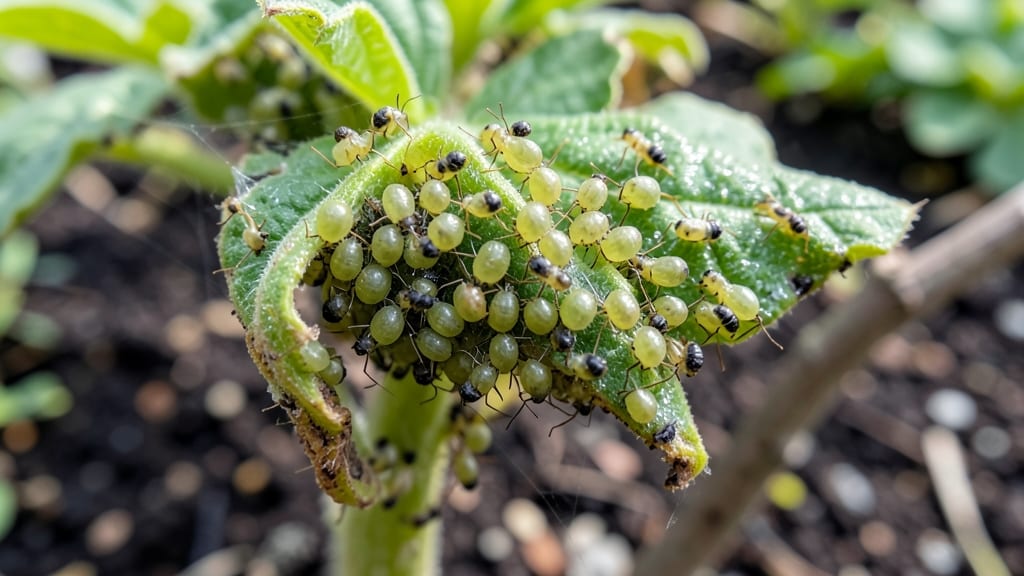
A tree infested with aphids swarming your yard like a sticky green nightmare? 🌿 That natural spray I developed after my oak tree nearly lost all its leaves works in 24 hours—no harsh chemicals, just targeted control that actually stops them from coming back.
The key is timing and the right mix: soapy water, neem oil, and a dash of garlic spray disrupt their life cycle instantly. Most people spray once and give up when the aphids return—this method breaks their cycle at the source.
You’ll see them start dropping within hours, not days. By morning, your tree will look revived, with new growth pushing through. The leaves stay crisp, the sap flow returns, and you avoid the yellowing and curling that signals real damage.
No more sticky residue or ants marching up your trunk either. Works on fruit trees, shade trees, and even houseplants. Here’s exactly how to mix and apply it—plus when to call in the pros if the infestation is beyond your yard.
Root Causes Of Sap-Sucking Outbreaks
Aphids don’t just randomly appear on trees—they’re drawn by a mix of environmental triggers, plant weaknesses, and even human activity. Understanding these key factors helps explain why your tree becomes a buffet for these tiny pests. Let’s break down the science behind their infestations.
Aphids thrive where trees are already struggling. When a tree’s natural defenses are compromised, it becomes an easy target. Here’s why:
- Nutrient deficiencies: Trees low in nitrogen, phosphorus, or potassium produce weaker sap, making them more attractive to aphids. Think of it like a weak immune system—aphids exploit the vulnerability.
- Stress from drought or overwatering: Both extremes disrupt a tree’s ability to produce sticky honeydew (a byproduct of aphid feeding), which normally deters further attacks. Drought-stressed trees also emit more volatile organic compounds (VOCs) that signal aphids to land.
- Root damage or disease: Fungal infections (like Armillaria root rot) or compacted soil reduce a tree’s ability to transport nutrients. Aphids detect these chemical changes through their antennae and home in on distressed foliage.
Actionable insight: Regular soil testing and mulching can strengthen root health, making trees less appealing to aphids.
Aphids aren’t lone wolves—they’re part of a food web. When their natural predators disappear, their populations explode. Here’s how it happens:
| Predator | Why Their Decline Helps Aphids | Human Impact |
|---|---|---|
| Ladybugs | Consume 5,000+ aphids in a lifetime; pesticides (even "organic" ones) can kill them. | Overuse of broad-spectrum sprays in gardens. |
| Lacewings | Larvae hunt aphids with precision; habitat loss (e.g., no wildflower borders) reduces their numbers. | Monoculture landscaping (e.g., only boxwood hedges). |
| Parasitic wasps | Lay eggs inside aphids, killing them; synthetic pesticides wipe out these wasps. | Neonicotinoid use in lawn treatments. |
Pro tip: Plant aphid-resistant varieties (like Serviceberry or Ginkgo) and avoid chemical sprays to preserve predator populations.
Aphids have a biological clock. They target new shoots and tender leaves because they’re packed with easily accessible sugars. Here’s the seasonal pattern:
- Spring surge: As days lengthen, trees produce rapid growth. Aphids detect the high sugar content in new leaves via pheromones and swarm in waves.
- Summer clusters: Heat-stressed trees release volatile organic compounds (VOCs) that aphids use as a "find me" signal. Example: Willow trees often see aphid outbreaks in July because their leaves are rich in salicylic acid (a chemical aphids love).
- Fall hitchhikers: Aphids reproduce asexually in summer, then migrate to roots or nearby plants as temperatures drop. Some even hitch rides on birds or wind to reinfest in spring.
Key takeaway: Prune trees in late winter (before bud break) to remove aphid egg-laying sites and reduce spring infestations.
Sometimes, we create the perfect aphid paradise without realizing it. Common mistakes include:
- Over-fertilizing: Excess nitrogen triggers soft, sugary growth that aphids adore. Example: Lawn fertilizers drifting onto tree bark can turn a maple into an aphid magnet.
- Ignoring ant trails: Ants farm aphids for honeydew, protecting them from predators. If you see ants tending aphids like cattle, the infestation will persist until you break their symbiotic relationship.
- Planting aphid favorites: Some trees are genetically susceptible, like:
- Peach & apple trees (for woolly aphids)
- Birch trees (for birch aphids)
- Rose bushes (for greenfly)
Quick fix: Use diatomaceous earth around ant trails to disrupt their aphid "livestock" without harming the tree.
Effective Ways to Treat Sap-Sucking Tree Pests
Now that you understand why aphids target your trees, let’s tackle the problem head-on with practical, eco-friendly solutions. Whether you’re dealing with a minor infestation or a full-blown outbreak, these methods will help you reclaim your tree’s health—without harsh chemicals.
Aphids thrive when trees are stressed, often due to poor watering or nutrient deficiencies. Fixing the environment can weaken their grip on your tree.
- 💧 Deep Watering Routine
- Water trees slowly and deeply (1–2 inches per week) to encourage strong root growth.
- Avoid overhead sprinklers, which can attract aphids by keeping foliage damp.
- Pro Tip: 🌡️ Water in the early morning to reduce humidity overnight, making the tree less appealing to pests.
- 🌱 Boost Soil Health
- Test your soil’s pH and amend it if needed (aphids love acidic conditions).
- Add compost or organic mulch around the base to improve drainage and nutrient uptake.
- Pro Tip: 💡 A balanced fertilizer (like 10-10-10) in early spring can strengthen tree defenses.
If your tree is already under siege, these DIY sprays disrupt aphids’ life cycle without harming beneficial insects.
- 🍋 Soapy Water Blast (Fastest Fix)
- Mix 1 tsp mild castile soap + 1 quart water in a spray bottle.
- Apply directly to aphid clusters (focus on undersides of leaves).
- Reapply every 3–4 days until aphids disappear.
- Caution: 🚫 Avoid spraying on hot days—soap can burn leaves.
- 🌿 Neem Oil Solution (Long-Term Defense)
- Combine 1 tbsp neem oil + 1 tsp dish soap + 1 quart water.
- Shake well and spray evenly on all foliage, including stems.
- Works in 24–48 hours by disrupting aphid feeding and reproduction.
- Pro Tip: ✨ Apply in the evening to reduce sun damage to leaves.
- 🌸 Companion Plant Spray (Preventative)
- Crush garlic, chili peppers, or onions in water, strain, and spray.
- Aphids hate the strong scent—reapply weekly for prevention.
Mother Nature has built-in aphid hunters! Attract these allies to your garden:
- 🐞 Ladybugs & Lacewings
- Buy eggs or adults online and release them near infested areas.
- Plant dill, fennel, or marigolds to lure them naturally.
- 🦋 Parasitic Wasps
- These tiny wasps lay eggs inside aphids, killing them from within.
- Avoid pesticides to keep populations thriving.
- 🐸 Birds & Frogs
- Install a bird feeder or small pond to attract aphid-munching wildlife.
If your tree is heavily damaged, large, or in a high-value area, consider hiring an arborist.
Signs you might need help: - Sticky honeydew dripping from leaves (sign of a severe infestation). - Black sooty mold growing on bark (a fungus fed by aphid waste). - No improvement after 2–3 weeks of DIY treatments.
- 🍃 Regular Pruning: Remove weak or crowded branches to improve airflow.
- 🌿 Ant Control: Aphids farm ants—eliminate ant trails with diatomaceous earth or borax bait.
- 🌱 Healthy Trees: Plant resistant species like sycamores, oaks, or fruit trees (some aphids prefer specific hosts).
- 🔍 Early Detection: Inspect trees weekly in spring/summer—catch infestations before they spread!
Remember: Patience is key—aphids can take 1–3 weeks to fully clear, depending on the method. Stick with it, and your tree will bounce back stronger than ever! 🌳💪
Frequently asked questions
Why do aphids cluster on new leaves instead of older ones?
New leaves are packed with easily accessible sugars, making them aphids' favorite snack. They also lack the tougher waxy coating of mature leaves, so they're easier to pierce with their mouthparts. This is why you'll often see outbreaks during spring growth spurts.
Will my tree recover if I remove all the aphids?
Yes, but recovery depends on how long the infestation lasted. If caught early, trees usually bounce back within weeks. For severe cases, you may see some leaf curling or stunted growth, but proper care (watering, pruning, and soil health) will help it regain strength.
Can aphids kill my tree if left untreated?
While aphids rarely kill healthy trees directly, severe infestations can weaken them enough to make them vulnerable to other diseases. The real danger comes from secondary issues like sooty mold (from honeydew) or ant protection of aphid colonies. Act quickly to prevent long-term damage.
How do I know if my tree has aphids or mites?
Aphids leave sticky honeydew and often have visible trails of ants, while mites cause stippling (tiny white dots) on leaves. Check the undersides of leaves - aphids are usually green/black clusters, while mites are barely visible to the naked eye. Use a magnifying glass if needed.
Why do aphids keep coming back after I treat them?
This usually happens when you miss egg-laying sites or don't treat the entire tree. Aphids reproduce quickly, so you need to apply treatments every 3-5 days for at least 2 weeks. Also check for ant trails - they protect aphids from predators and treatments.