
Pruning
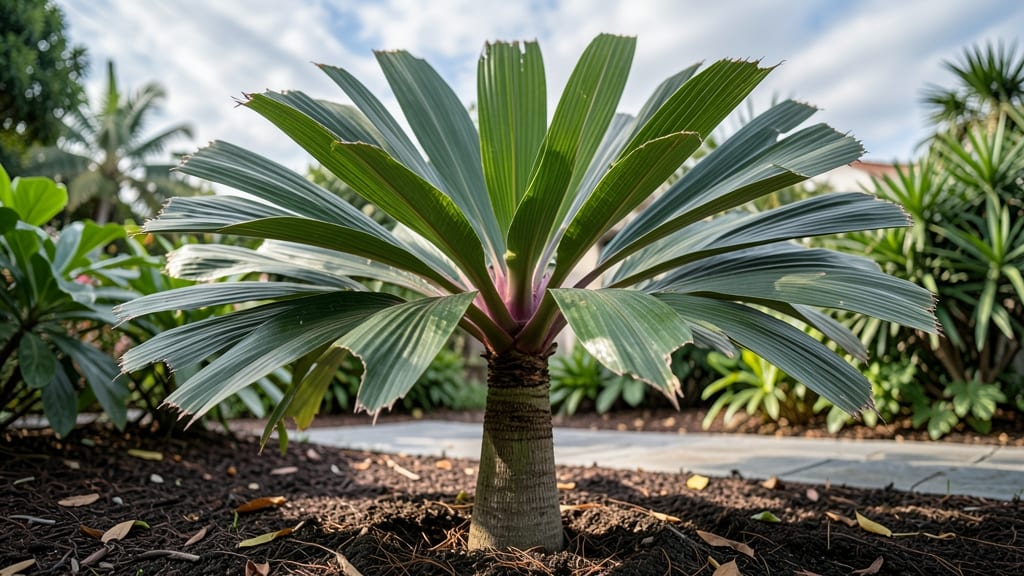
Controlling Tree of Heaven requires aggressive pruning in late winter or early spring to curb its rapid growth, targeting root suckers and cutting back branches to limit seed production and root expansion. Repeat this process every year for effective management.
Tree of Heaven spreads so aggressively because it produces thousands of seeds annually and grows up to 3 feet per year.
Its deep root system and chemical compounds that inhibit other plants make it nearly impossible to eradicate without consistent intervention. 🌱 I’ve seen entire yards taken over in just a few years if left unchecked—this tree doesn’t play by the rules of typical landscaping.
The key is to strike early, before it establishes a dominant root network.
When pruning, focus on removing suckers at the base first—they’re the tree’s primary way of spreading. Use a pruning saw for thicker branches, and always wear gloves to avoid skin irritation from the tree’s sap.
Timing matters most: late winter or early spring is when the tree is dormant, making it easier to cut back without triggering regrowth. For large infestations, consider professional help to avoid damaging nearby plants or structures.
💡 In This Article
- Why Tree of Heaven Spreads So Aggressively
- Step-by-Step Tree of Heaven Pruning Guide
Why tree of Heaven spreads so aggressively
The Tree of Heaven's invasive nature stems from its biological superpowers. This species produces up to 300,000 seeds per year that can remain viable in the soil for decades, creating a massive seed bank that ensures constant regeneration.
The seeds are lightweight and spread easily via wind, water, or even animal fur, allowing them to colonize new areas rapidly. 🌿 What makes it particularly challenging is its growth rate—saplings can shoot up 3 feet annually under ideal conditions, outpacing most native plants.
Beneath the surface, its root system is equally formidable. Tree of Heaven develops deep, extensive roots that can spread horizontally up to 50 feet from the trunk, creating an underground network that makes eradication difficult.
The roots also release chemical compounds called allelochemicals that inhibit the growth of competing plants, effectively creating a monoculture where only Tree of Heaven thrives. This chemical warfare gives it a competitive edge in disturbed soils or areas with poor vegetation cover.
Pruning disrupts this lifecycle by targeting two critical components: the seed production and root spread. When you cut back branches, you reduce the tree's ability to produce seeds, while removing suckers at the base prevents new shoots from emerging.
The timing of late winter or early spring is crucial because the tree is dormant, making it easier to remove growth without triggering immediate regrowth. This strategic approach weakens the tree's overall vigor over time.
What most people don't realize is how the tree's growth patterns change with age. Young trees focus energy on vertical growth, while mature specimens allocate more resources to root expansion and seed production.
This shift explains why aggressive pruning works best on younger trees—you're essentially starving the root system by removing its primary energy sources before they become entrenched. 🌱 For older trees, you'll need to combine pruning with other control methods like root barrier installation or herbicide application for more effective management.
The tree's adaptability is another factor that makes it so difficult to control. It thrives in a wide range of conditions—urban areas, forest edges, and even disturbed soils—making it nearly impossible to create environments where it won't grow.
This adaptability, combined with its rapid growth and chemical defenses, creates a perfect storm of invasive characteristics that require consistent, multi-year management strategies to gain control.
Consider this comparison: While a typical shade tree might produce a few hundred seeds annually and grow about 1 foot per year, Tree of Heaven's numbers and growth rates are in a completely different league.
This biological advantage is why pruning must be aggressive and repeated annually—you're essentially playing a game of catch-up with a species that's evolved to dominate its environment through sheer reproductive and growth power.