
Pests
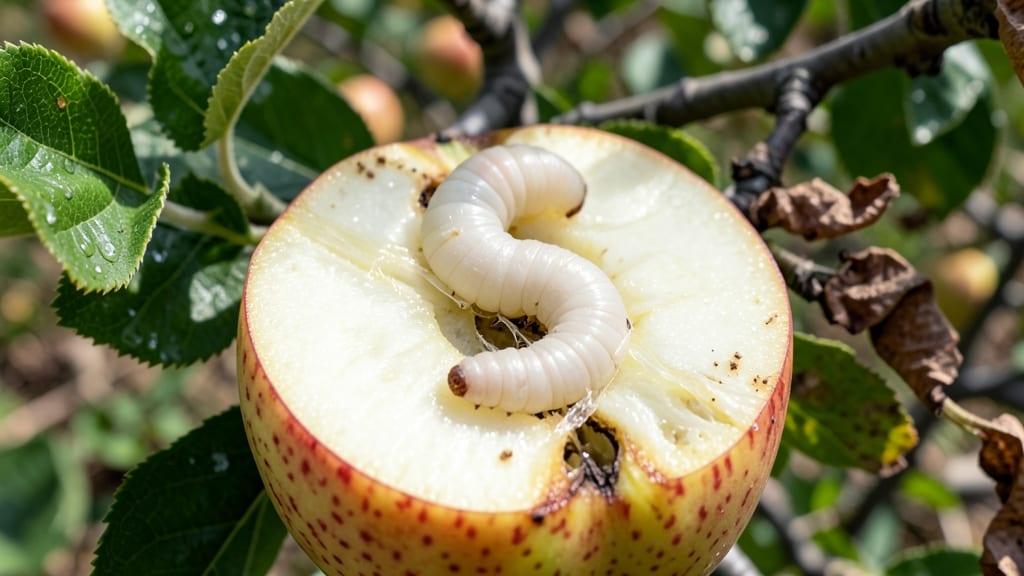
White tree worms wriggling in your soil mean trouble—root rot could be next. 🌳 I’ve seen healthy oaks turn into skeletal husks in just a few months when these pests go unchecked, and the vinegar soak method is the fastest way to stop them before they cause real damage.
These grubs aren’t just annoying—they chew through roots, leaving trees starved for water and nutrients. The worst part? Many homeowners don’t even realize they’re there until branches start dropping. A simple vinegar soak (1 part vinegar to 3 parts water) drowns them in minutes without harming the tree’s roots.
Once you’ve treated the soil, you’ll notice new growth within 2-4 weeks, and the tree’s leaves will regain that deep, vibrant green. The key is acting fast—these worms multiply quickly, and once they’ve weakened a tree, recovery takes years.
This works for maples, willows, and fruit trees, but prevention is even better. Spread diatomaceous earth around the base every spring to keep them from returning. Let’s get your tree back to healthy!
Root Causes Of White Tree Worms
White worms writhing around your tree’s roots or bark? Before you panic, let’s break down the real reasons these tiny invaders show up—and why they might be a sign of bigger trouble lurking beneath the soil.
White worms—often root-knot nematodes or fungus gnats—love damp, oxygen-deprived soil. When you overwater your tree, you’re creating the perfect all-you-can-eat buffet for these pests. Here’s why:
- Anaerobic soil (low oxygen) weakens tree roots, making them easier targets for nematodes.
- Excess moisture encourages fungal growth, which fungus gnats (their larvae) feed on.
- Poor drainage traps water, turning the root zone into a worm paradise.
💡 Pro Tip: If your tree sits in a low spot or has compacted soil, water pools around roots—fix drainage first before treating the worms.
Some white worms aren’t pests—they’re symptoms of a fungal infection. For example:
- Armillaria root rot (honey fungus) attracts saprophytic worms that feed on decaying wood.
- White rot fungi break down cellulose, creating a nutrient-rich environment for larvae.
If you see mushrooms at the tree base or conks (shelf fungi) on the trunk, fungal decay is likely the root cause (pun intended).
✨ Key Sign: White worms only on rotting wood? It’s a fungus problem—not a nematode infestation.
Root-knot nematodes (tiny, thread-like worms) don’t just invade—they hijack your tree’s roots. Here’s how:
- They inject bacteria into roots, causing galls (lumpy growths) that strangle nutrient flow.
- Infested roots turn brown, mushy, and prone to rot.
- Heavy infestations lead to stunted growth, wilting, or sudden tree death.
🔥 Red Flag: If your tree’s leaves yellow even when soil is moist, nematodes may be the culprit.
Stressed trees are open invitations for white worms. Common stressors include:
- Drought → Weak roots = easy prey for nematodes.
- Poor soil (lack of organic matter) → Roots can’t fight off invaders.
- Compaction → Restricts root growth, making trees vulnerable.
🌡️ Quick Check: Run your finger through the soil near the roots. If it’s hard as concrete, compaction is weakening your tree’s defenses.
Every cut you make on a tree is a potential entry point for pests. If pruning wounds:
- Were made with dirty tools (spreading fungal spores).
- Were too large (slow to heal, inviting rot).
- Exposed inner bark (a buffet for wood-boring larvae).
🔪 Fix It: Always sterilize pruners with rubbing alcohol and seal large cuts with tree wound paint.
In cities, heavy metals, salts, and pesticides in soil can weaken trees, making them more susceptible to white worm infestations. For example:
- Road salt disrupts soil microbes, reducing natural pest resistance.
- Herbicides kill beneficial fungi that suppress harmful nematodes.
📊 Solution: Test your soil for pH and toxicity—healthy soil = stronger tree defenses.
Not all white worms are bad! Some, like enchytraeid worms (potworms), are harmless and even help decompose organic matter. Only act if you see: ✅ Yellowing leaves (nematode damage). ✅ Mushrooms at the base (fungal rot). ✅ Galls on roots (root-knot nematodes). ✅ Sudden wilting (root system failure).
Effective fixes for tree worms white
White tree worms—often mistaken for pests like bark beetles or wood borers—can stress your trees if left unchecked. The good news? Most infestations are manageable with targeted solutions. Below, we’ve mapped common causes to practical fixes, plus prevention tips to keep your trees healthy long-term.
Before treating, confirm whether the "white worms" are actually harmful. Many are benign (like sawfly larvae or harmless moth caterpillars), while others (e.g., white grubs or wood-boring larvae) signal deeper issues.
Shake a small branch over a white sheet—if the worms are small, fuzzy, or leave behind frass (sawdust-like debris), proceed with caution.
1. 🍳 Overwatered or Waterlogged Soil (Root Rot Risk) Symptoms: White, creamy grubs near roots; mushy bark; yellowing leaves despite watering. Fix: - ⏰ Step 1: Drain the Soil 💧 - Stop watering immediately.
If the soil is soggy, improve drainage by: - Adding coarse sand or perlite to compacted areas. - Creating a berm (raised soil mound) around the tree base to redirect water. - 🔪 Step 2: Vinegar Soak for Fungus 🍋 - Mix 1 part white vinegar + 3 parts water in a spray bottle. - Drench the root zone (not leaves!) every 3–4 days for 2 weeks.
Vinegar’s acidity disrupts fungal spores. - 🌱 Step 3: Aerate the Roots 🪓 - Use a hand trowel to loosen soil 6–12 inches deep around the tree. Add compost to encourage beneficial microbes.
💡 Pro Tip: Test soil moisture with your finger—if it stays damp 48+ hours after watering, drainage is the issue.
2. 🐛 Wood-Boring Larvae (Sapwood Infestation) Symptoms: White, legless larvae in tunnels; D-shaped exit holes; wilting branches. Fix: - 🔥 Step 1: Prune Infested Branches ⚠️ - Cut and burn or bury (don’t compost!) branches with >50% bore holes.
Use sterilized pruners to avoid spreading pathogens. - 🛡️ Step 2: Apply Borax or Diatomaceous Earth 🏺 - Borax treatment: Mix 1 tbsp borax + 1 gallon water, then brush onto exposed sapwood (avoid foliage).
Repeat weekly for 3 weeks. - Diatomaceous earth (DE): Dust food-grade DE into bore holes and cracks. Reapply after rain. - 🌡️ Step 3: Encourage Natural Predators 🐞 - Attract woodpeckers (their pecking exposes larvae) and parasitic wasps by planting native shrubs nearby.
✨ Prevention: Seal fresh pruning wounds with pruning sealant to block entry points.
3. 🍃 Sawfly Larvae (Defoliators) Symptoms: White, hairy caterpillars on new growth; skeletonized leaves. Fix:
- 👨🍳 Step 1: Handpick Larvae 🕷️
- Drop them into soapy water (1 tbsp dish soap + 1 gallon water) to kill them instantly.
- 🌿 Step 2: Neem Oil Spray 🌿
- Mix 1 tsp neem oil + 1 tsp mild soap + 1 quart water.
Spray undersides of leaves (larvae hide there) at dusk for 2 weeks. - 🎯 Step 3: Disrupt Life Cycle 🕰️ - Remove fallen leaves and eggs (tiny white clusters on stems) to starve future generations.
💡 Pro Tip: Bacillus thuringiensis (Bt)—a natural bacteria—is highly effective against sawfly larvae. Spritz leaves as a last resort.
4. 🍄 Fungal or Bacterial Infection (Soft Rot)
Symptoms: White, cottony growth on bark; oozing sap; bark sloughing off. Fix:
- 🔪 Step 1: Scrape and Sterilize 🧼
- Remove infected bark with a sterilized knife, then clean the area with 70% rubbing alcohol.
- 🍋 Step 2: Copper Fungicide Wash 🛡️
- Use a store-bought copper fungicide (like Bonide Copper Fungicide) and apply directly to wounds every 7–10 days.
- 🌱 Step 3: Boost Tree Immunity 💪
- Fertilize with mycorrhizal fungi (available as powder) to strengthen roots.
⚠️ Warning: If the tree is >50% infected, consult an arborist—it may need removal to prevent spread.
Keep your trees worm-free with these easy habits:
- 🌡️ Monitor Soil Moisture: Use a moisture meter or the "squeeze test" (soil should crumble, not stick, when pressed).
- 🪓 Prune Properly: Remove deadwood in late winter/early spring to reduce hiding spots.
- 🐝 Support Beneficial Insects: Plant dill, fennel, or yarrow to attract ladybugs and parasitic wasps.
- 🍂 Clean Up Fallen Debris: Rake up leaf litter where larvae overwinter.
- 🌿 Mulch Strategically: Use 3–4 inches of wood chips (not bark) 3 inches away from the trunk to deter moisture buildup.
Final Note: Most white worm issues are preventable with proactive care. Start with drainage fixes and regular inspections—your trees will thank you with years of healthy growth! 🌳💚
Frequently asked questions
Are all white worms in trees harmful?
Not necessarily! Many white worms, like enchytraeid worms or sawfly larvae, are harmless and may even help decompose organic matter. However, if you notice yellowing leaves, wilting branches, or galls on roots, the worms could be root-knot nematodes or fungus gnats, which are damaging. Always check for other symptoms before treating.
How do I tell if white worms are causing root rot?
Look for these red flags: mushy bark, yellowing leaves despite watering, or mushrooms growing at the tree’s base. If the soil smells foul and the roots appear brown or rotting, root rot is likely. White worms feeding on decaying wood often signal fungal infection rather than direct worm damage. Test soil moisture—if it stays damp for 48+ hours, drainage issues are likely the root cause.
Can I use vinegar to kill white worms in tree bark?
Vinegar is best for fungal issues or soil-dwelling pests, not bark-infesting worms. For bark problems, try borax solution (1 tbsp borax + 1 gallon water) or food-grade diatomaceous earth instead. Always apply vinegar only to the root zone—never directly on bark or leaves, as it can burn foliage.
Will my tree recover if I remove the white worms?
Recovery depends on how long the infestation lasted. If caught early, trees often bounce back within 2-4 weeks with proper care (like vinegar soaks or aerating roots). However, if the tree is already stressed (yellow leaves, weak branches), it may need fertilization with mycorrhizal fungi and pruning deadwood to recover fully.
Are there natural predators that eat white tree worms?
Woodpeckers, parasitic wasps, and ladybugs all help control harmful white worms. Plant native shrubs like dill or yarrow near your trees to attract these predators. Additionally, beneficial nematodes (like Steinernema carpocapsae) can be applied to soil to target grubs and larvae naturally.