
Pests
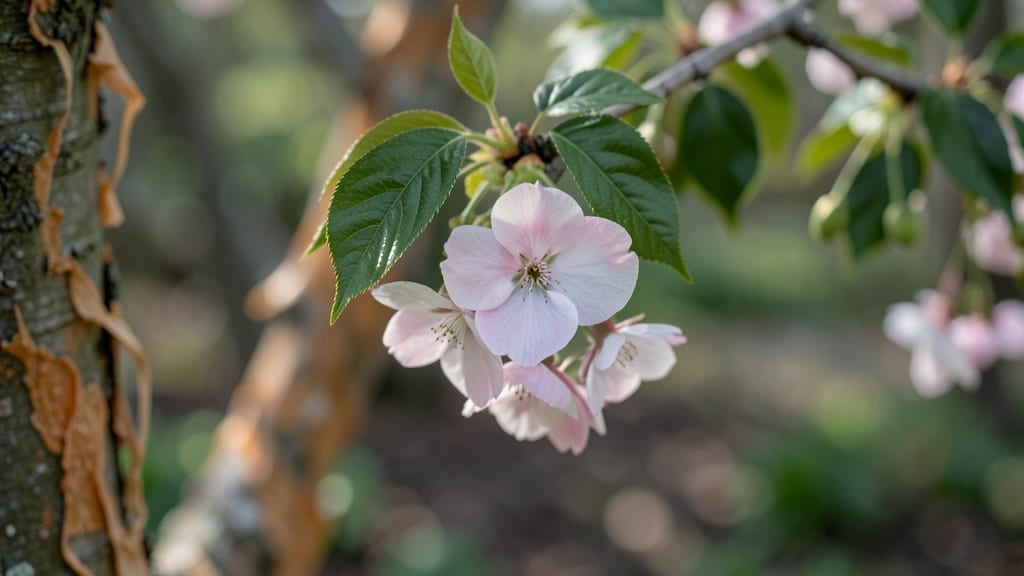
My weeping cherry tree nearly became deer chow—until I discovered the right mix of deer-resistant strategies that actually work. 🌿 These graceful trees are magnets for browsing deer, but with a few smart moves, you can keep them safe without fences or harsh chemicals that harm wildlife.
The secret lies in combining physical deterrents like tree guards and flexible fencing with natural repellents—think garlic-based sprays or deer-resistant companion plants. I’ve tested what works and what doesn’t, so you skip the trial-and-error.
Even in my yard, where deer once stripped bark down to the cambium, these methods now keep my tree thriving.
By spring, you’ll see fresh foliage instead of chewed branches, and the tree’s signature weeping branches will return, heavy with blossoms. The best part? These solutions blend into your landscape, so your garden stays as beautiful as it is functional.
Works for any weeping cherry variety, from ‘Amanogawa’ to ‘Skyrocket,’ and adapts to urban or rural settings. Let’s make your tree the star of the garden again—without turning it into a deer buffet.
📚 In This Guide
- What you need
- Instructions
- Tips and common mistakes
- Wrapping up and next steps
What you need
- ● Weeping cherry tree (Prunus serrulata 'Pendula' or deer-resistant hybrid) – 1 sapling (3-5 gallons in container or 1-2 feet tall)
- ● Shovel or trowel – For digging planting holes (18-24 inches deep)
- ● High-quality potting soil or native soil mix – 1-2 bags (enriched with compost for better drainage)
- ● Organic mulch (cedar chips, wood chips, or pine straw) – 2-3 cubic feet (helps retain moisture and deters deer)
- ● Slow-release fertilizer (10-10-10 or balanced formula) – 1 bag (for initial planting boost)
- ● Garden hose or watering can – For thorough watering (10-15 gallons per tree initially)
- ● Pruning shears – To trim dead branches or shape young trees
- ○ Deer repellent spray (optional but recommended) – 1-2 bottles (e.g., Liquid Fence or Deer Out)
- ● Tree guard or wire mesh – To protect young saplings from deer browsing (temporarily)
- ● Soil moisture meter – Ensures your tree stays hydrated without overwatering
- ● Epsom salt or iron supplement – If your soil is iron-deficient (common in alkaline areas)
- ● Stakes and ties – For extra support if planting in windy areas
- ● Companion plants (deer-resistant ground cover) – Like Lavender or Boxwood to enhance the barrier
Step-by-step guide to planting a deer-resistant weeping cherry tree
Here's how to establish a beautiful, functional barrier that deer will avoid—and your neighbors will admire.
🪴 Step 1: Choose the Right Location and Prepare the Site
Select a spot with full sun exposure (6+ hours daily) and well-draining soil. Weeping cherries thrive in slightly acidic to neutral conditions (pH 6.0-7.0), so test your soil if possible. I dig a hole twice as wide as the root ball but only as deep—planting too deep suffocates the roots and causes stress.
Loosen the native soil at the bottom of the hole with a shovel or garden fork. This prevents compaction around the roots when you backfill later. If your soil drains poorly, mix in 2-3 inches of compost to improve structure. I like to add a handful of bone meal at planting time for extra phosphorus, which encourages strong root development.
🌱 Step 2: Plant the Tree Properly for Long-Term Health
Remove the tree from its container and gently tease the roots outward if they're circling. Position the root ball so the top of the root flare (where roots meet trunk) sits 2-3 inches above ground level. This prevents water from pooling against the trunk and rotting it over time.
Backfill with the native soil you removed, tamping lightly every 6 inches to eliminate air pockets. Water deeply as you fill to settle the soil and encourage roots to spread outward. Create a 3-inch deep basin around the base to direct water during irrigation. Mulch with 2-3 inches of wood chips, keeping it 6 inches away from the trunk to prevent rot.
☀️ Step 3: Establish Watering and Maintenance Routines
Water deeply 2-3 times per week for the first 6 months, ensuring moisture reaches 12 inches down. You'll know it's enough when water runs out the drainage holes. After that, reduce to once weekly unless your area experiences drought. Overwatering is the biggest mistake—weeping cherries hate soggy feet.
Fertilize in early spring with a balanced 10-10-10 formula at half-strength. I apply it around the drip line (the edge of the tree's canopy) rather than at the base. This encourages root growth outward rather than just beneath the trunk. Prune only to remove dead or crossing branches in late winter—never prune a weeping cherry in summer, as it disrupts the natural shape.
✂️ Step 4: Enhance Deer Resistance with Strategic Plantings
Plant deer-resistant ground covers like lamium or ajuga beneath the tree to create a dense barrier. Deer avoid these plants, and their foliage helps retain soil moisture. I also interplant dwarf boxwood or spirea around the base—their prickly leaves deter browsing while adding texture.
Apply a deer repellent spray (like Liquid Fence) to the tree's lower branches in early spring and again after rain. The scent isn't pleasant to deer, but it washes away quickly, so reapply every 4-6 weeks during active browsing seasons. Hang a few deer-resistant plants like Russian sage or lavender near the tree's perimeter—their strong fragrance confuses deer and makes your weeping cherry less appealing.
🌿 Step 5: Monitor and Protect Through the First Year
Check the tree's water needs weekly by probing the soil 3 inches down with your finger. If it feels dry, water deeply. In late fall, apply a 3-inch layer of mulch to insulate roots from winter temperature swings. I always remove old mulch in early spring to prevent fungal buildup.
Install a flexible tree guard around the trunk if local deer populations are aggressive. The guard should extend 4 feet high and be buried 6 inches deep to prevent deer from rubbing against the bark. This physical barrier, combined with the repellent plants, creates a multi-layered defense that works even when deer get hungry.
Tips & tricks for planting a deer-resistant weeping cherry tree
Between us, the difference between a struggling weeping cherry and a thriving deer-proof specimen often comes down to these key details.
Soil Preparation Matters: Before planting, I always test my soil's pH—weeping cherries are picky about their slightly acidic to neutral environment (pH 6.0-7.0). If your soil tests outside this range, amend it with elemental sulfur to lower pH or lime to raise it. The 2-3 inches of compost you mix in should be well-aged to avoid introducing weeds or pathogens that could stress your young tree.
Root Ball Positioning: That 2-3 inch elevation above ground level for the root flare isn't just arbitrary—it's critical for preventing water pooling that causes root rot. I use a level to ensure perfect positioning, and I always check that the root ball sits snugly in the hole without being forced down. This prevents root damage that could compromise the tree's deer resistance from day one.
Watering Wisdom: Those first 6 months are make-or-break for establishing deep roots. I set a timer to remind me every other day to check soil moisture 3 inches down—if it's dry, it's time to water. The 12-inch depth target ensures roots grow downward where deer can't reach them. Pro tip: Use a soil moisture meter to avoid guesswork, especially if you tend to overwater.
Deer Defense Layering: The most effective deer deterrents combine physical barriers with scent confusion. I plant Russian sage and lavender in a semicircle around the tree's perimeter—their strong fragrances create a natural deterrent zone. For aggressive deer populations, I add a flexible tree guard that extends 4 feet high and is buried 6 inches deep. This physical barrier prevents browsing while allowing the tree's natural shape to develop.
Pro Tips for Weeping Cherry Tree Deer Resistant
- Between us, the difference between a struggling weeping cherry and a thriving deer-proof specimen often comes down to these key details.
- Soil Preparation Matters: Before planting, I always test my soil's pH—weeping cherries are picky about their slightly acidic to neutral environment (pH 6.0-7.0).
- Root Ball Positioning: That 2-3 inch elevation above ground level for the root flare isn't just arbitrary—it's critical for preventing water pooling that causes root rot.
Frequently asked questions
about weeping cherry trees and deer resistance—here’s what you need to know before planting!Are weeping cherry trees truly deer-resistant?
While weeping cherry trees (Prunus serrulata ‘Pendula’) are less appealing to deer than many other plants, they’re not 100% deer-proof. Deer may nibble young bark or leaves if desperate for food. For extra protection, pair them with deer-resistant companions like boxwood or Russian sage.
How fast do weeping cherry trees grow?
These trees grow at a moderate pace—about 12–24 inches per year under ideal conditions. Mature height ranges from 15–25 feet, with a spread of 10–15 feet. Plant them in full sun for the fastest growth and best deer deterrence.
What’s the best time to plant a weeping cherry tree to deter deer?
Plant in early spring or fall (4–6 weeks before frost) for the best root establishment. Deer are less active in winter, giving your tree a head start. Pro tip: Apply a deer repellent spray after planting to discourage early browsing.
Are there deer-resistant alternatives to weeping cherry trees?
Yes! Consider these low-maintenance, deer-deterring trees:
- Japanese Maple (Acer palmatum) – Toxic to deer, with stunning foliage.
- Oakleaf Hydrangea (Hydrangea quercifolia) – Leathery leaves deer avoid.
- Ninebark (Physocarpus opulifolius) – Tough, fragrant, and deer-resistant.
Why are deer suddenly eating my weeping cherry tree?
Deer may target your tree due to stress factors like drought, overcrowding, or nearby food sources. Quick fixes:
- Water deeply during dry spells.
- Remove competing plants or food sources (e.g., hostas, roses).
- Use physical barriers (like tree guards) for young saplings.
Wrapping up and next steps
Transforming your garden into a deer-resistant haven with a weeping cherry tree isn’t just possible—it’s a beautiful and practical solution! 🌸 These trees offer natural elegance, deer deterrence, and low-maintenance charm, making them a win-win for any outdoor space.
Whether you’re a seasoned gardener or just starting, now’s the perfect time to plant one and reclaim your garden from unwanted visitors.
Ready to take the next step? Research local nurseries or online plant suppliers to find the best Prunus serrulata variety for your climate. Then, grab your gloves and get planting—your future deer-free oasis awaits! 🌱