
Flowers
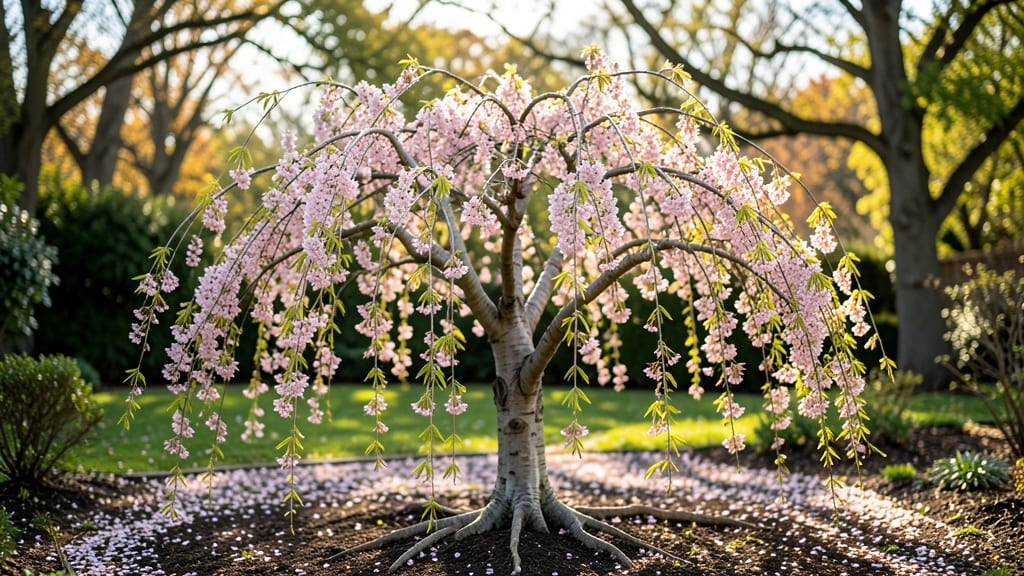
The weeping cherry tree’s pink flowers create a dreamy spring canopy that turns any small garden into a showstopper. 🌸 I planted mine near the front door, and now every guest arrives to the soft blush of hundreds of delicate blossoms swaying in the breeze—like nature’s own chandelier.
This tree isn’t just pretty; it’s a design masterpiece that works in tight spaces. Its graceful, arching branches spill pink cascades over patios or beside walkways, while the dark green foliage provides year-round structure.
Pair it with dwarf azaleas or boxwoods for a layered, romantic look that feels intentional, not crowded. The magic happens in late spring, when the flowers fade into glossy leaves—but the drama doesn’t end there.
In autumn, the foliage turns amber-gold, and the bare branches in winter add sculptural interest. It’s the kind of tree that makes neighbors stop and say, “How’d you fit that in here?” Perfect for urban courtyards, small yards, or even large containers.
Here’s how to style it like a pro—without sacrificing that “wow” factor.
📚 In This Guide
- What you need
- Instructions
- Tips and common mistakes
- Wrapping up and next steps
What you need
- ● Weeping cherry tree (Prunus serrulata 'Kanzan' or similar) – Choose a dwarf variety (4–10 ft tall) for small gardens. 1–2 trees are ideal for visual impact.
- ● High-quality potting soil or garden loam – 50 lbs (for planting) with good drainage (mix in perlite or sand if needed).
- ● Organic compost or slow-release fertilizer – 1–2 lbs (10-10-10 NPK ratio) to boost root growth.
- ● Shovel or trowel – For digging planting holes (size: 2x wider and deeper than the root ball).
- ● Watering can or hose with a gentle spray nozzle – 5+ gallons for initial watering.
- ● Mulch (wood chips or bark) – 2–3 inches to retain moisture and suppress weeds.
- ● Pruning shears – For shaping and removing dead branches (sterilize with rubbing alcohol!).
- ○ Tree stakes (optional) – 2–4 stakes + soft garden ties if your tree needs support.
- ● Sunlight: Full sun (6+ hours/day) – A south- or west-facing spot is perfect!
- ● Climate: Hardy in USDA Zones 5–8 (cold-hardy but needs winter protection in Zone 5).
- ● Space: 10–15 ft diameter for root spread (avoid planting near sidewalks or foundations).
- ● Soil pH: 5.0–7.0 (slightly acidic to neutral). Test your soil here.
- ● Patience!: Weeping cherries take 3–5 years to reach full bloom glory.
How to create a stunning weeping cherry tree display with pink flowers
Here's how I transform small gardens into springtime showstops with elegant, cascading pink blooms.
🌱 Step 1: Select the Perfect Variety and Planting Site
Choose a Prunus serrulata 'Kanzan' or 'Shirofugen' cultivar for their profuse pink flowers and graceful habit. These varieties thrive in USDA zones 5-8 and reach 15-25 feet tall with a 10-15 foot spread, making them ideal for small gardens when properly pruned. Plant in full sun (6+ hours daily)—partial shade reduces flowering intensity dramatically.
Test your soil's pH before planting; weeping cherries prefer 6.0-7.0. If your soil is heavy clay, amend with 2-3 inches of compost mixed into the top 12 inches of soil. The root flare (where roots meet trunk) should sit 2-3 inches above ground level—burying it too deep causes suffocation and poor establishment.
☀️ Step 2: Plant at the Right Time and Prepare the Soil
Plant in early spring or fall when temperatures are 50-70°F. Dig a hole twice as wide as the root ball but only as deep—this prevents soil compaction around roots. Gently loosen any circling roots with your fingers to encourage outward growth. The tree's natural growth habit means it won't need staking unless in windy locations.
Backfill with native soil mixed with 50% compost to improve drainage. Water immediately after planting to settle the soil and eliminate air pockets. You'll know it's properly settled when the soil surface looks firm but not muddy. A 3-inch layer of mulch (keep it 6 inches away from the trunk) preserves moisture and regulates soil temperature.
💧 Step 3: Water Deeply and Establish a Consistent Routine
Water deeply 2-3 times weekly for the first 2 years until the root ball is fully saturated. You'll see proper moisture when water drains to 12 inches deep—use a trowel to check. Overwatering causes root rot, so always let the top 2 inches of soil dry between waterings. Drip irrigation placed 12 inches from the trunk is ideal for even distribution.
Fertilize in early spring with 10-10-10 granular fertilizer spread over the root zone. Apply ½ cup per inch of trunk diameter (e.g., 1 cup for a 2-inch trunk). Water immediately after to activate nutrients. Avoid high-nitrogen fertilizers after mid-June—they encourage leafy growth at the expense of next year's flowers.
✂️ Step 4: Prune for Shape and Flowering Health
Prune immediately after flowering (late spring) to remove dead, crossing, or weak branches. Use clean, sharp pruners to make cuts at a 45-degree angle just above an outward-facing bud. Never remove more than 25% of the canopy in one season—this stresses the tree and reduces flowering. Thin out crowded branches first to improve air circulation and prevent disease.
Shape the weeping habit by selectively pruning suckers and upright growth that disrupts the natural cascade. You'll see new growth emerge within 2-3 weeks—this is your cue that the tree is responding well. Avoid heavy pruning in fall or winter as it exposes fresh cuts to cold damage and fungal infections.
🌿 Step 5: Maintain for Long-Term Beauty and Bloom
Monitor for cherry leaf spot or powdery mildew—common issues that appear as dark spots or white powder on leaves. Treat preventatively in early spring with a copper fungicide spray. Remove and destroy infected leaves immediately to prevent spread. Healthy trees develop thick, glossy foliage and abundant pink flowers each spring.
Renovate older trees by removing 10-20% of the oldest wood annually to stimulate new growth. This keeps the canopy open and ensures vibrant flowering. You'll notice the most dramatic displays on 10-15 year old trees when properly maintained—patience pays off with foot-long sprays of pink blossoms** that last 2-3 weeks.
Tips & tricks for perfect weeping cherry tree displays
Transforming your small garden into a springtime masterpiece starts with these essential strategies for vibrant pink blooms.
Variety Selection Matters: While 'Kanzan' and 'Shirofugen' are my top picks for their stunning pink flowers and weeping habit, consider 'Okame' for earlier blooms in colder climates (USDA zones 6-9). All three thrive in full sun, but 'Kanzan' produces the most dramatic foot-long sprays of blossoms—ideal for creating that cascading waterfall effect. The 15-25 foot height range makes them perfect for small gardens when properly pruned to maintain their graceful shape.
Soil Preparation Secret: The 2-3 inches of compost mixed into the top 12 inches of soil isn't just about drainage—it creates a perfect microbial environment that helps roots establish quickly. For heavy clay soils, I recommend adding peat moss or perlite to improve aeration. The root flare should always sit 2-3 inches above ground level; this prevents suffocation and encourages strong upward growth that supports those beautiful cascading branches.
Watering Wisdom: Those first two years are critical for establishing deep roots that support the tree's eventual height and flower production. The 2-3 times weekly deep watering should saturate the soil to 12 inches—use a trowel to check. I've found that drip irrigation placed 12 inches from the trunk delivers water exactly where new roots are forming, creating a stronger root system that translates to more vibrant flowering later.
Pruning Precision: The late spring timing for pruning is crucial because it allows the tree to set flower buds for next year while removing dead growth. When making those 45-degree cuts above outward-facing buds, visualize the tree's natural weeping shape—you're not just pruning, you're sculpting. The 2-3 week window for new growth to appear is your confirmation that the tree is responding well to your pruning efforts. Never exceed 25% canopy removal in one season; this maintains the tree's vigor and flowering capacity.
Pro Tips for Weeping Cherry Tree Pink Flowers
- Transforming your small garden into a springtime masterpiece starts with these essential strategies for vibrant pink blooms.
- Variety Selection Matters: While 'Kanzan' and 'Shirofugen' are my top picks for their stunning pink flowers and weeping habit, consider 'Okame' for earlier blooms in colder climates (USDA zones 6-9).
- Soil Preparation Secret: The 2-3 inches of compost mixed into the top 12 inches of soil isn't just about drainage—it creates a perfect microbial environment that helps roots establish quickly.
Frequently asked questions
Got questions about adding a weeping cherry tree with pink flowers to your small garden? Here are some of the most common ones—plus straightforward answers to help you plan with confidence!
When is the best time to plant a weeping cherry tree?
The ideal time to plant your weeping cherry tree is during early spring or fall when temperatures are mild. This gives the tree time to establish roots before extreme heat or cold. Avoid planting in summer or winter—hot weather stresses young trees, while frozen ground makes root growth difficult.
How much space does a weeping cherry tree need?
Even though they’re perfect for small gardens, weeping cherry trees still need 15–25 feet of space to thrive—both horizontally and vertically. If space is tight, choose a dwarf variety (like 'Okame' or 'Shidare Yoshino') or plant it near a fence/wall to limit spread. Prune annually to maintain shape!
How long does it take for a weeping cherry tree to bloom?
With proper care, your tree will typically bloom within 3–5 years of planting. Young trees focus on root growth first, so patience is key! For faster blooms, plant a pre-blooming sapling (2–3 years old) or provide balanced fertilizer in early spring to encourage flowering.
Can I grow a weeping cherry tree in a container?
While possible, it’s not ideal long-term. Weeping cherries have deep roots and need large containers (at least 24" deep) with excellent drainage. If you must container-grow, choose a dwarf variety, repot every 2–3 years, and overwinter indoors. For best results, plant in the ground!
Are weeping cherry trees messy? Do they need extra care?
Yes! After blooming, they drop petals and small fruits, creating temporary cleanup. To manage mess:
- Plant under patio covers or near walkways for easy sweeping.
- Mulch heavily to reduce fruit drop.
- Prune in late winter to shape and encourage airflow.
Wrapping up and next steps
The weeping cherry tree with its stunning pink flowers isn’t just a dream for small gardens—it’s a practical, breathtaking reality. With the right care, this elegant tree can transform your outdoor space into a serene spring paradise, offering shade, beauty, and a touch of whimsy. 🌸
Ready to bring this dramatic focal point to life? Start by assessing your space, gathering the right tools, and planting with confidence. Whether you’re a seasoned gardener or a beginner, the weeping cherry tree is a rewarding choice—so roll up your sleeves and get growing!